
Last updated November 15, 2026
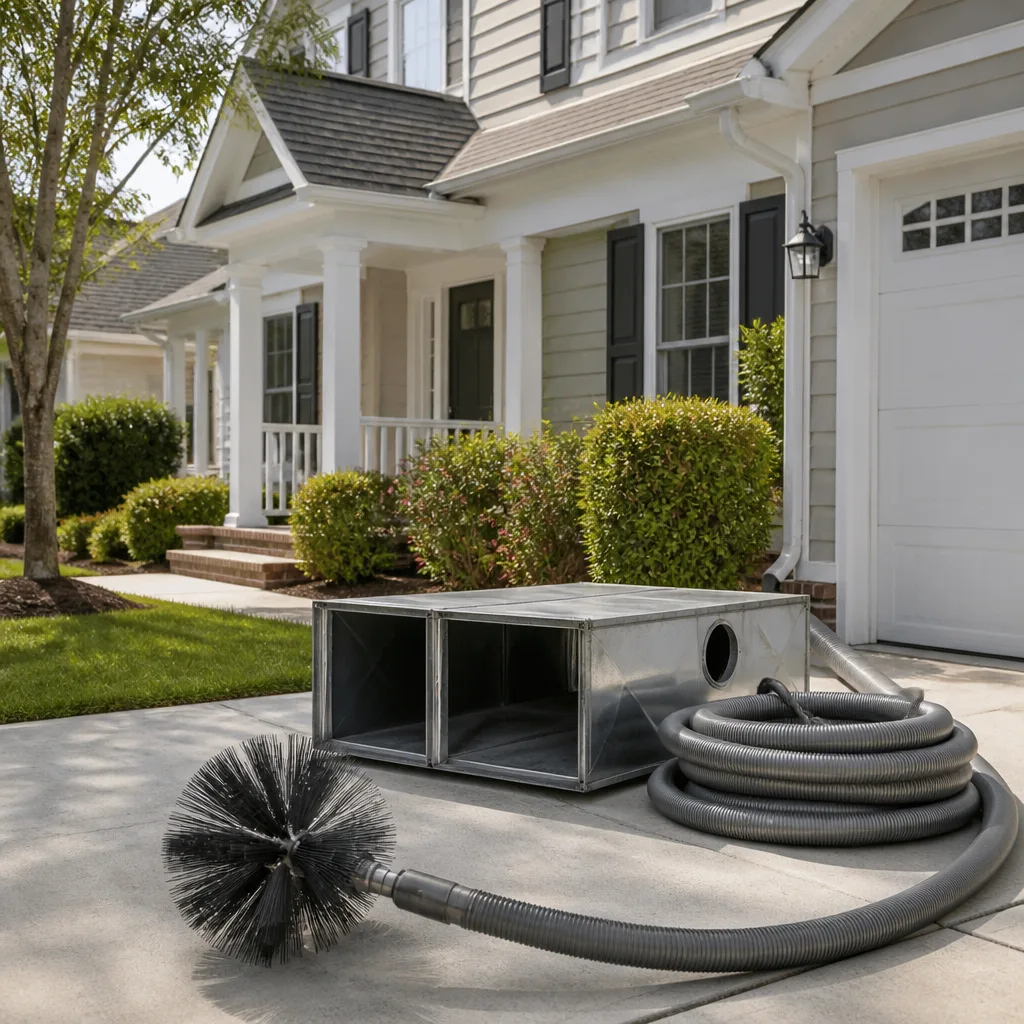 Whole-home duct cleaning
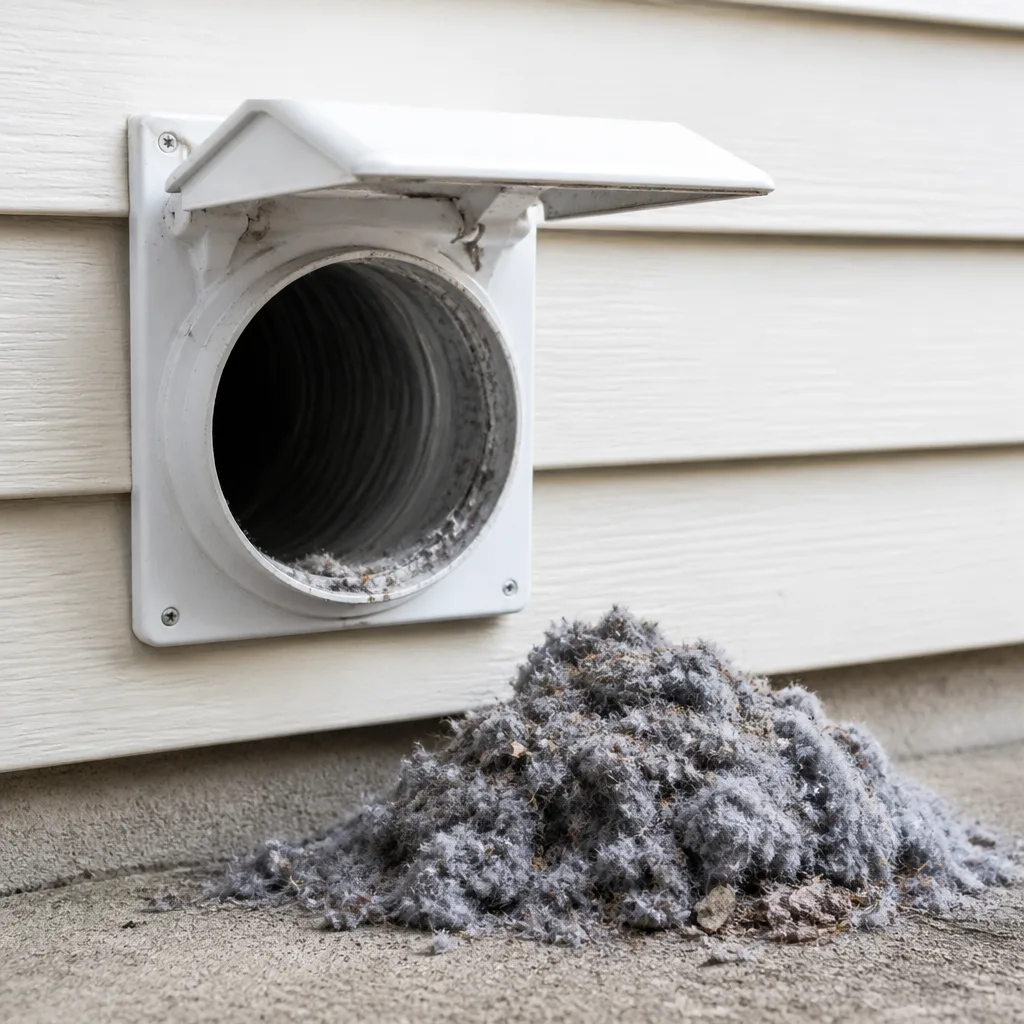 Dryer vent cleaning
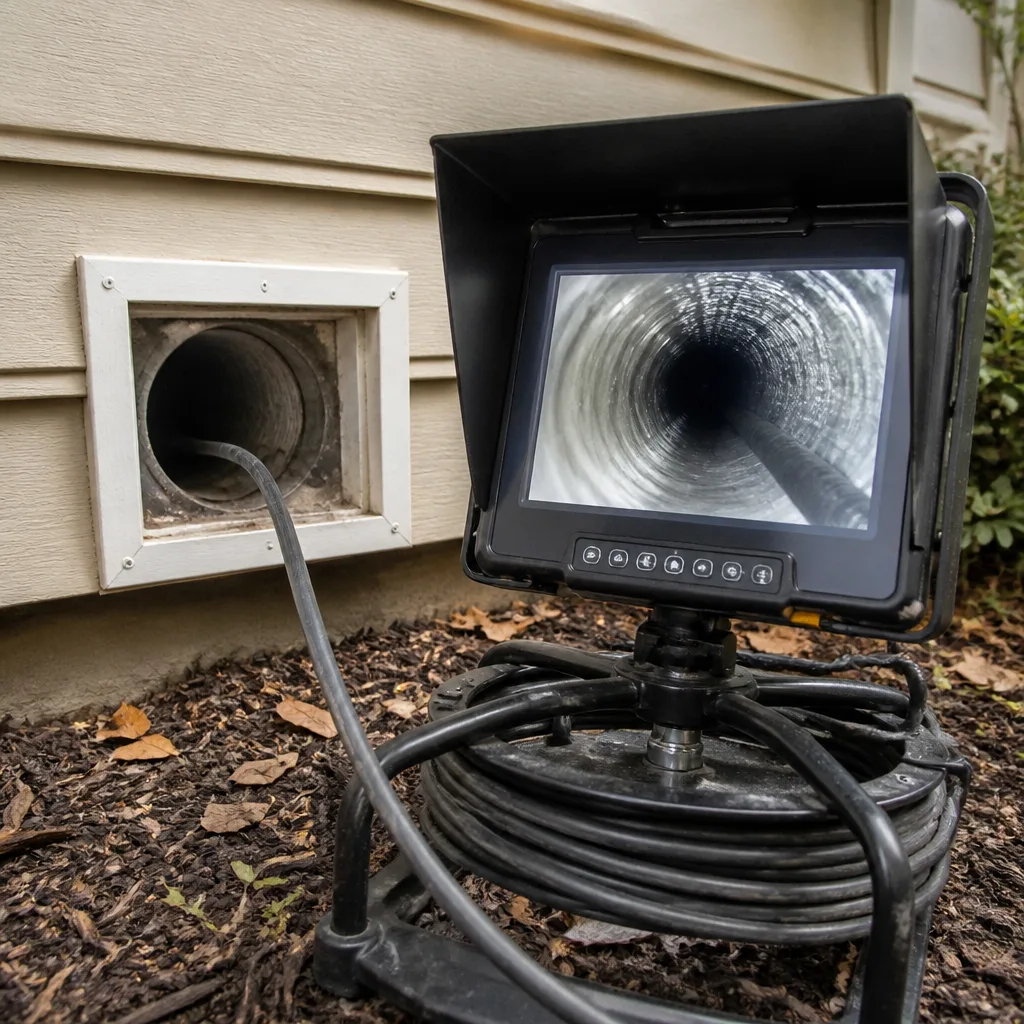 Camera inspection
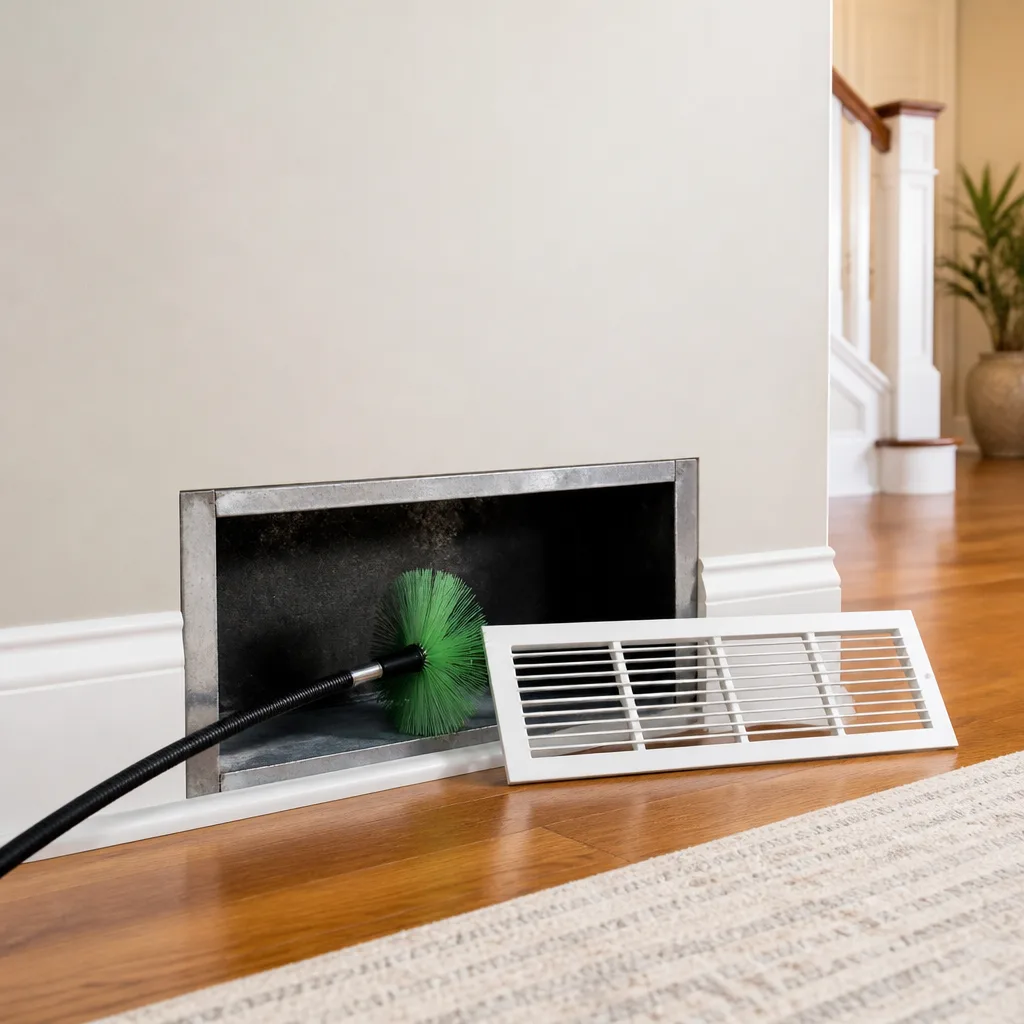 Sanitizing & deodorizing
Whole-system duct and dryer vent check with before-and-after photos - you see exactly what came out of your vents
That "$99 whole-house special" is a bait ad - the real number appears once they are in your hallway, or the "clean" is a shop-vac at the register. We photograph the inside of your ducts before and after instead.
How to Hire an Air Duct Cleaning Contractor in McKinney: A Step-by-Step Guide
Texas does not license air duct cleaners. Anyone with a van and a vacuum can legally take your money, and plenty do. That’s the uncomfortable fact most homeowners in McKinney don’t learn until after the work is done and the invoice has ballooned past the phone quote. The hiring decision rests entirely on your shoulders, which means it comes down to the questions you ask before anyone pulls into the driveway. This guide gives you a vetting sequence that filters out low-effort operators at first contact: the equipment questions, the pricing red flags, how to request and read a scope of work, and what documentation you should receive without asking. Work through it in order and you’ll hire on evidence instead of a coupon.
Quick Answer
To hire an air duct cleaning contractor in McKinney, ask three things before booking: what agitation equipment they use, what filtration captures the debris, and whether they’ll put the scope of work in writing. A legitimate contractor answers all three specifically, quotes a whole-system price rather than a per-vent number, and hands you before-and-after photos plus a written summary afterward. A whole-house quote under $150 almost always signals a bait-and-switch model where the real cost appears after the technician is inside.
Styles & brands we work with
- Whole-home duct cleaning
- Dryer vent cleaning
- Camera inspection
- Sanitizing & deodorizing
Table of Contents
- Why Texas Doesn’t License Duct Cleaners (and What That Means for You)
- The Three Equipment Questions That Filter Out Weak Contractors
- Why NADCA Membership Is a Floor, Not a Ceiling
- Red Flags in Pricing: What a McKinney Quote Should Look Like
- How to Request and Read a Pre-Job Scope of Work
- What Post-Job Documentation You Should Receive Without Asking
- How Often Ducts Actually Need Cleaning in McKinney
- When Cleaning Turns Up Damage: How to Avoid a Second Contractor
Why Texas Doesn’t License Duct Cleaners (and What That Means for You)
Texas does not require a state license to clean air ducts. There’s no exam, no minimum equipment standard, no bonding requirement tied to the trade. An HVAC technician who handles refrigerant lines works under one set of rules; the person running a vacuum through your supply registers works under almost none. That gap is the single biggest reason the duct cleaning market has such a wide quality spread, and it’s the reason hiring has to be done on evidence.
What this means in practice is that the usual shortcuts don’t work. You can’t check a license lookup page. You can’t assume a logo on a van means anything. You can’t assume the technician carries insurance unless you ask for a certificate. In markets across McKinney and Collin County, the barrier to entry is essentially a truck and a hose, and the contractors who invest in professional-grade equipment and training compete against operators who don’t.
Here’s what you can check instead:
- Equipment specifics. A serious contractor names the brands and explains what each piece does. Vague answers like “industrial equipment” are a pass.
- Written scope. A contractor willing to put the scope in writing before arrival is one who has a process to describe.
- Insurance and bonding. Ask for a certificate of insurance. A professional provides one without a fuss.
- Documentation habits. Before-and-after photos and a written summary are the paper trail that stands in for a license.
None of this is exotic. It’s just the diligence that a license would theoretically perform for you, done by hand. If you want to see what a documented process looks like on our side, our Duct Cleaning McKinney page lays out the steps.
The Three Equipment Questions That Filter Out Weak Contractors
This is the heart of the guide. Ask these three questions on the phone, before you book. The answers separate contractors who clean ducts from contractors who vacuum the visible surface and call it done. Write them down and call two or three companies. The differences show up immediately.
Question 1: How do you dislodge debris from the duct walls?
Vacuum alone lifts loose dust and leaves the compacted layer clinging to the metal or flex duct. What you want to hear is mechanical agitation: a rotating brush system or compressed-air whip that scrapes debris free so extraction can capture it. In our experience, contractors using Rotobrush brush-agitation systems can describe exactly that process. If the answer is “we use a big vacuum” with no agitation step, the contractor is doing surface work.
Question 2: How do you capture what you dislodge?
Dislodging debris without containing it just moves the problem into your living room. You want HEPA filtration rated to trap fine particulates at the source. Nikro HEPA-filtration equipment captures contaminants during extraction rather than recirculating them through the home. Listen for the word HEPA and for a specific filtration rating. “We have a filter” is not an answer.
Question 3: Do you use negative air pressure and containment?
Negative air machines pull air into the duct system so dust doesn’t drift into occupied rooms while work is underway. Restoration professionals use the same category of equipment: Abatement Technologies negative-air machines are specified for mold remediation and disaster recovery. A contractor who uses them approaches a residential duct job with the same containment discipline.
If any of these three answers is vague, generic, or dodged, disqualify the contractor before scheduling. A professional can explain the equipment because they use it every week. When you’re ready to compare against a documented process, our air duct cleaning page walks through the same three steps.
Why NADCA Membership Is a Floor, Not a Ceiling
NADCA, the National Air Duct Cleaners Association, sets the industry’s most recognized standards, and membership is a reasonable baseline. It signals that a contractor has chosen to join a professional body and follow a published code of ethics. That’s worth something. It is not, on its own, a quality guarantee.
The problem is that membership is a logo on a website. It doesn’t tell you what equipment shows up, whether the crew was trained on it, or whether the job will be documented. We’ve seen contractors who carry the badge and still arrive with consumer-grade vacuums. The badge is a filter, not a finish line.
What to look for beyond the logo:
- Named equipment. Rotobrush, Nikro, and Abatement Technologies are brands a serious contractor will mention without prompting because the equipment is central to the job.
- A crew training story. Ask who trains the technicians and on what standard. Vague answers here mean the equipment is decoration.
- A written scope. NADCA’s published guidance recommends a pre-job scope of work; a member who skips it is treating membership as marketing.
- Separate dryer vent service. Dryer vent cleaning is its own discipline with its own risks; a contractor who handles it as an afterthought is cutting corners.
Our take: treat NADCA membership as proof that the contractor takes the trade seriously, then ask the equipment questions anyway. If the answers hold up, the membership was real. If they don’t, the badge was a logo. The same standard applies to dryer vent cleaning, where the fire-safety stakes are higher.
Red Flags in Pricing: What a McKinney Quote Should Look Like
A whole-house duct cleaning quote under $150 is the loudest red flag in this trade. It’s a customer-acquisition price, not a job price. What usually happens is that the low figure gets you on the schedule, and once the technician is inside, additional work “discovered” on-site gets added to the invoice. Some homeowners end up paying several times the quoted amount before the technician leaves.
Honest pricing for duct cleaning in this market is a whole-system range, not a per-vent number. The exact figure depends on the system size, the number of supply and return runs, accessibility, and how much debris has accumulated. What you should get is a written estimate that sets one flat price for the whole system before work begins. No per-vent pricing, no add-ons discovered mid-job, and no surprise invoice.
Here’s a table outline of how a legitimate quote is structured:
| Quote element | What it should say | Red flag |
|---|---|---|
| Pricing basis | One flat price per system, agreed before work starts | Per-vent pricing that climbs as the tech counts registers |
| Scope | Number of supply and return runs, trunk lines, main plenum | “We’ll clean everything”; no count |
| Equipment | Agitation type, filtration rating, negative-air unit | “Professional vacuum”; no brands |
| Repair policy | Whether damaged ductwork is repaired in the same visit | Handoff to a separate contractor |
| Documentation | Before-and-after photos, written summary on completion | Verbal “all clean” on the way out |
Ask directly: “Is this the price I’ll pay at the end, and is it per-system or per-vent?” A contractor who hedges on the answer is building in room to grow the invoice. If you’re comparing quotes, our McKinney page and our air duct cleaning page both spell out how a whole-system estimate works. Call (866) 361-7225 for a free estimate with the price set per job by the written estimate.
How to Request and Read a Pre-Job Scope of Work
Ask for a written scope of work before scheduling. A legitimate contractor provides one as a matter of course; a weak one resists. The scope should be specific about what’s being cleaned, what’s being protected, and how debris is contained. Read it before you book, not after.
Here’s what a proper scope of work addresses:
- System inventory. The number of supply runs, return runs, trunk lines, and the main plenum. Every duct in the conditioned system, not just the registers you can see.
- Negative air pressure and containment. The scope should say how the work area is sealed and how negative air is maintained during the job. This is the step that keeps dust out of your furniture and air.
- Agitation method. Which brush system is used for supply runs, which for the main trunk, and how flex duct is treated differently from rigid metal.
- Filtration standard. The HEPA rating on the extraction unit and where the exhaust vents.
- Repair protocol. What happens if compromised ductwork is found. It should say the repair can be handled in the same visit rather than deferred.
- Completion documentation. What you receive at the end: photos, a written summary, and the final invoice matching the estimate.
A scope missing containment or filtration is a scope describing a vacuum job. Request the written scope by email and read it line by line. If a contractor can’t produce one, that’s your answer.
What Post-Job Documentation You Should Receive Without Asking
A professional duct cleaner documents the work. You shouldn’t have to ask for it. When the job is complete, you should receive a small but specific package that proves what happened inside your ducts. That’s how a homeowner gets beyond the take-it-on-faith nature of a service they can’t see.
- Before-and-after photos. Interior duct shots of the main trunk and at least a few supply runs, taken before agitation and after extraction. Not exterior van shots.
- A written completion summary. The number of runs cleaned, the equipment used, and any findings: cracked flex duct, separated joints, rodent evidence.
- A repair note if applicable. If damage was found and repaired, the scope of the repair in writing.
- A final invoice that matches the estimate. The whole-system price agreed before work began, with no line items that weren’t in the scope.
- Filter and IAQ notes. If Honeywell or Aprilaire products were consulted or installed, the product name and what it addresses.
If a contractor cleans and leaves with a verbal “all done,” you have no record. The documentation package is the paper trail that lets you hold the contractor accountable and gives the next person who inspects your system a starting point. Our air duct cleaning service follows a documented process by default, before-and-after photos included. Guardsman and Aprilaire filtration products, where used, are documented the same way.
How Often Ducts Actually Need Cleaning in McKinney
There’s no universal schedule. Duct cleaning should be driven by conditions, not a calendar. The honest answer is that most McKinney homes need it when something has changed: a renovation, a move-in, water intrusion, pest activity, or years of visible dust at the registers. For homes without those triggers, cleaning every few years is reasonable; for homes with them, sooner.
McKinney’s climate matters here. The long cooling season means the system runs hard for most of the year, moving a lot of air through the same ducts. That steady use pulls dust and debris along the interior walls, and the mild winters mean the system rarely gets a long idle period. Households in older neighborhoods with mature trees and more wind-blown pollen tend to see faster accumulation than newer builds sealed tight.
Signs it’s time to schedule:
- Visible dust or debris on supply registers or in the return grille
- Musty or stale-smelling air when the system first kicks on
- A recent renovation, move-in, or pest issue
- Consistent dust settling on surfaces faster than usual
- Unexplained allergy symptoms in the home
If any of those apply, a whole-system cleaning with agitation and HEPA capture is the right service. For homes in the older core of McKinney, our McKinney page covers the local conditions in more depth.
When Cleaning Turns Up Damage: How to Avoid a Second Contractor
A duct cleaning job often reveals damage that the register-level inspection couldn’t see. Disconnected flex duct, crushed sections behind a wall, separated joints at the plenum, rodent-chewed runs in the attic. When that happens, a cleaning-only contractor hands you a photo and refers you to someone else, and you start the hiring process all over.
The better outcome is to hire a contractor who also performs air duct repair in the same engagement. Ask upfront: “If you find damaged ductwork during cleaning, can you repair it in the same visit?” A yes answer means the work doesn’t get handed off mid-stream. A no answer means you’re scheduling a cleaning and, months later, a second contractor.
Here’s why the integration matters:
- The evidence is fresh. The technician who found the damage is the one repairing it, with the duct still open and the air still contained.
- One invoice, one scope. The repair is priced and documented alongside the cleaning.
- No re-open exposure. The containment you paid for stays in place through the repair.
Ask this question on the same call as the equipment questions. If the answer is no, weigh the cost of a second contractor against the cleaning price before you book. Our air duct repair service covers the same system the cleaning does, so the full duct path is handled by one visit.
Common Mistakes to Avoid
- Booking on price alone. The cheapest quote is the one most likely to grow once the technician is inside. A whole-system price set before work starts is worth more than a low teaser.
- Accepting a per-vent price. Per-vent pricing creates an incentive to count registers liberally and quote after the work. Ask for a flat whole-system price.
- Skipping the containment question. Cleaning without negative air pressure and containment just relocates dust into your living space. Confirm both in writing.
- Assuming a logo means the equipment is right. NADCA membership is a floor. Ask which agitation and filtration equipment shows up before you book.
- Booking a cleaning without asking about repair. If the contractor can’t repair damage, a found problem becomes a second hiring project for you.
- Missing the dryer vent. Dryer vent cleaning is a separate safety service; a lint-clogged exhaust is a fire hazard, and a cleaning contractor who treats it as an afterthought isn’t handling it seriously.
- Not requesting the scope and documentation. Without a written scope and before-and-after photos, you have no record of what was done inside a system you can’t see.
See the difference
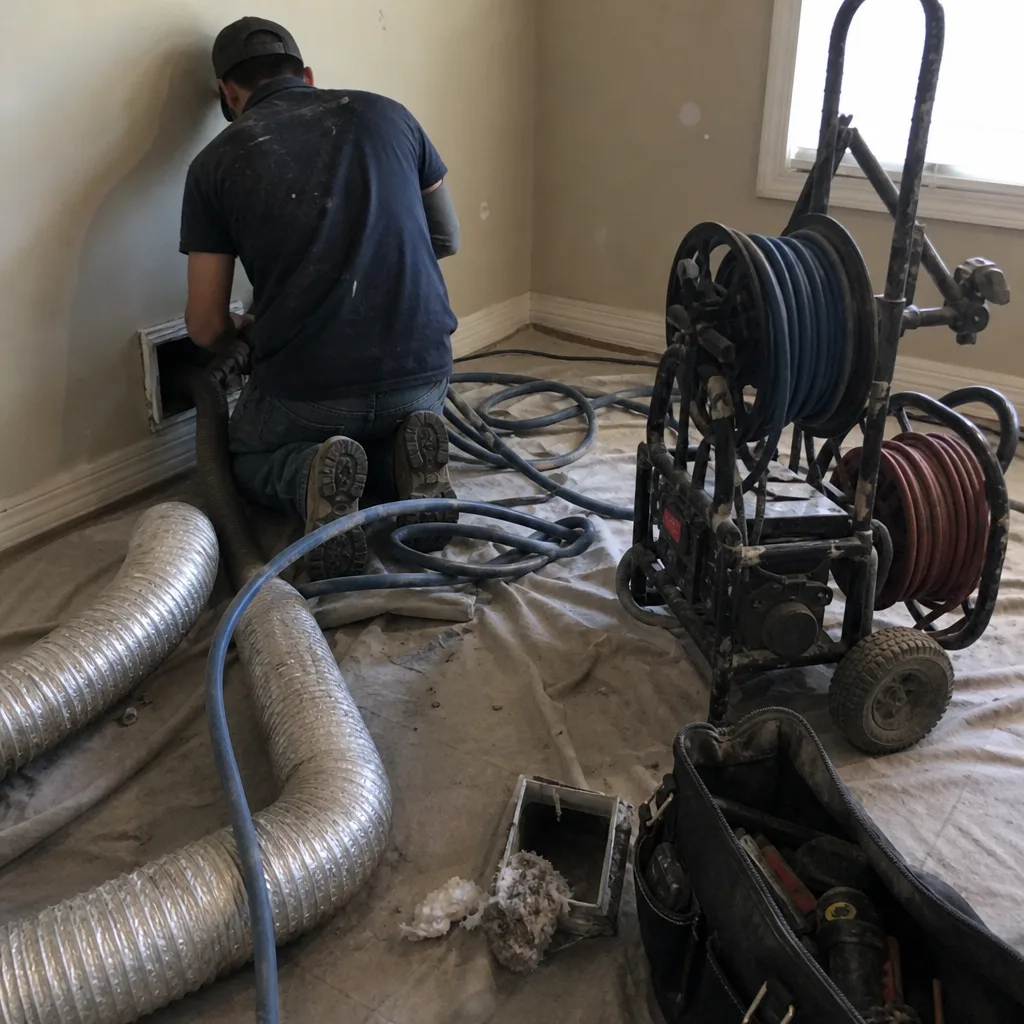 Before
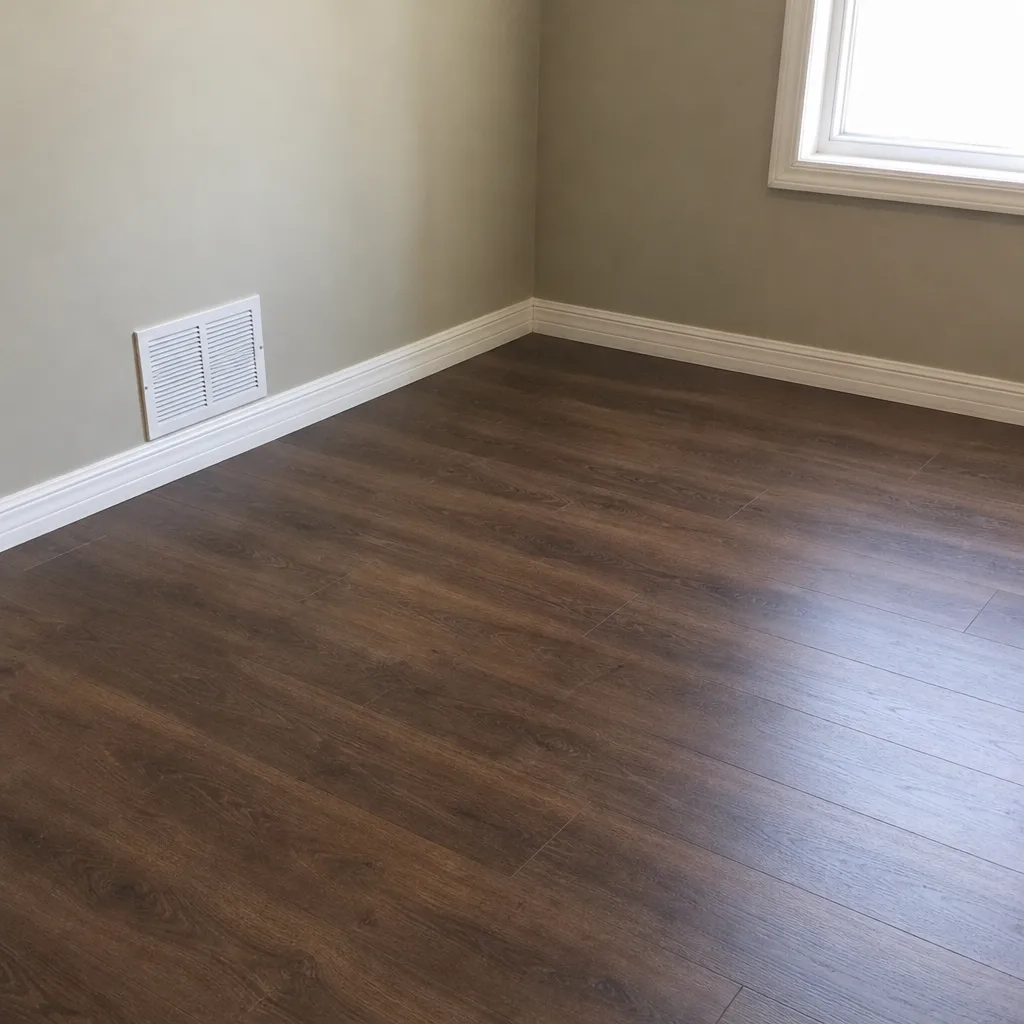 After
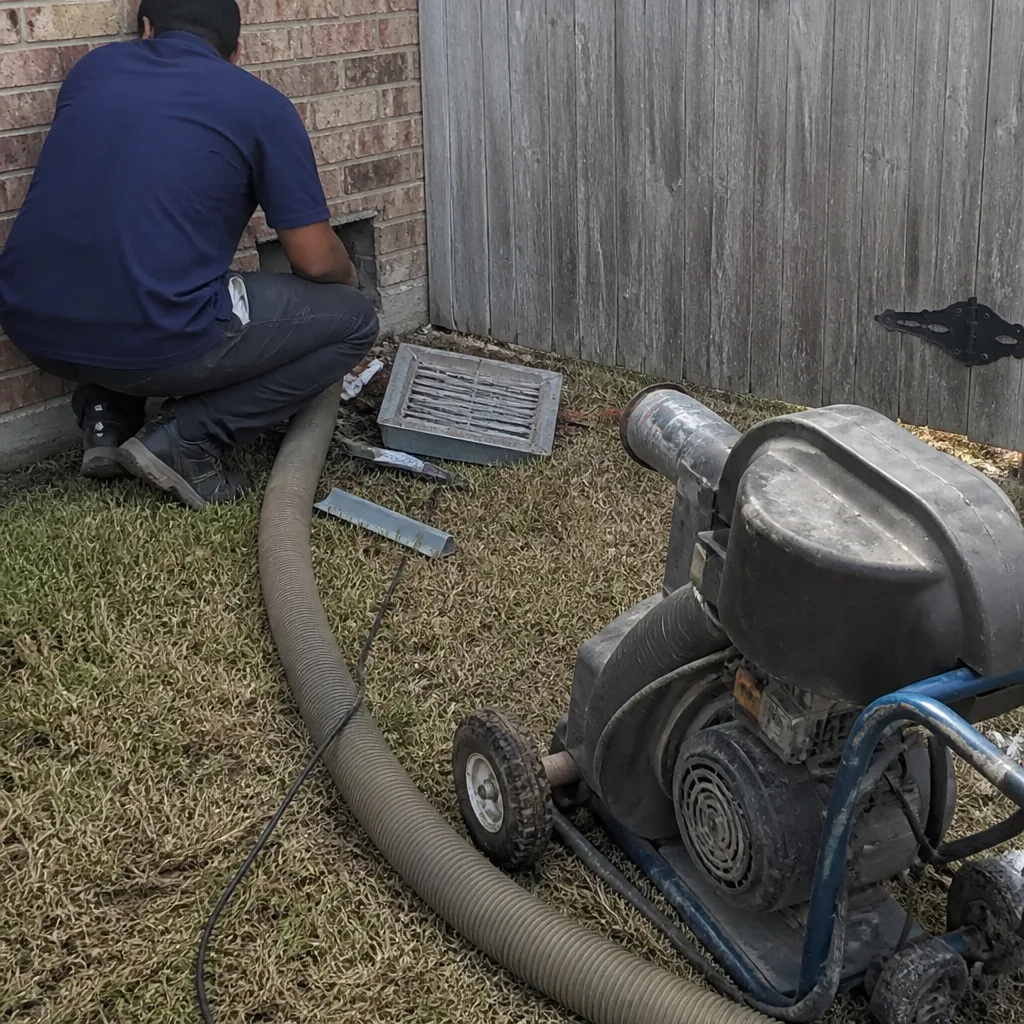 Before
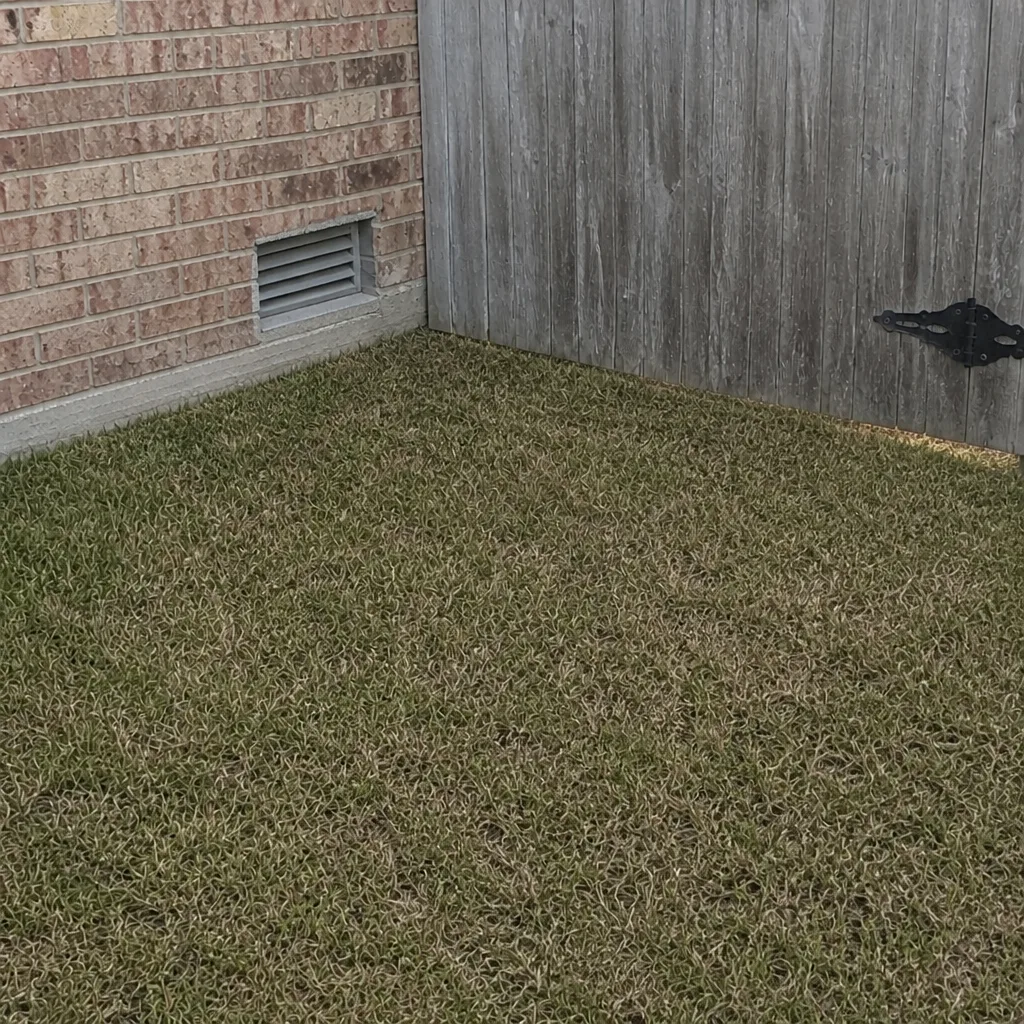 After
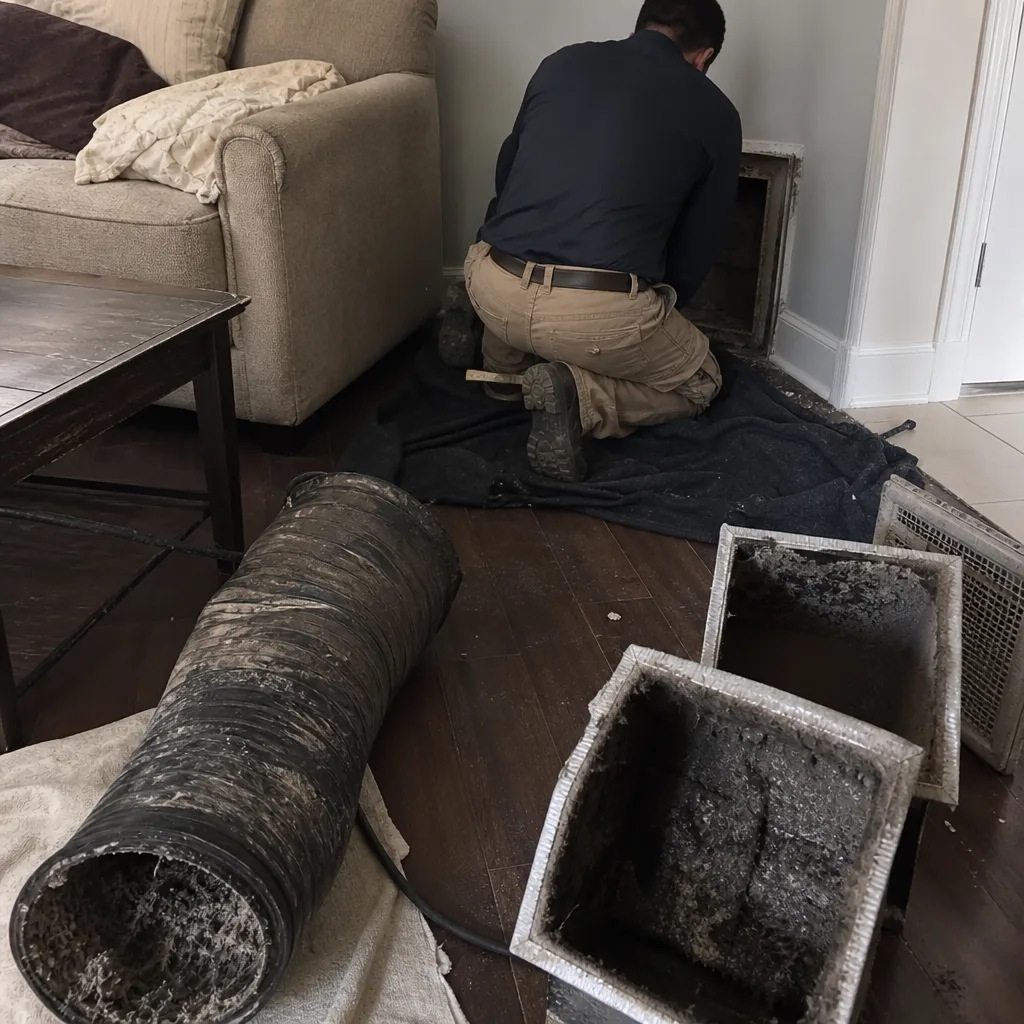 Before
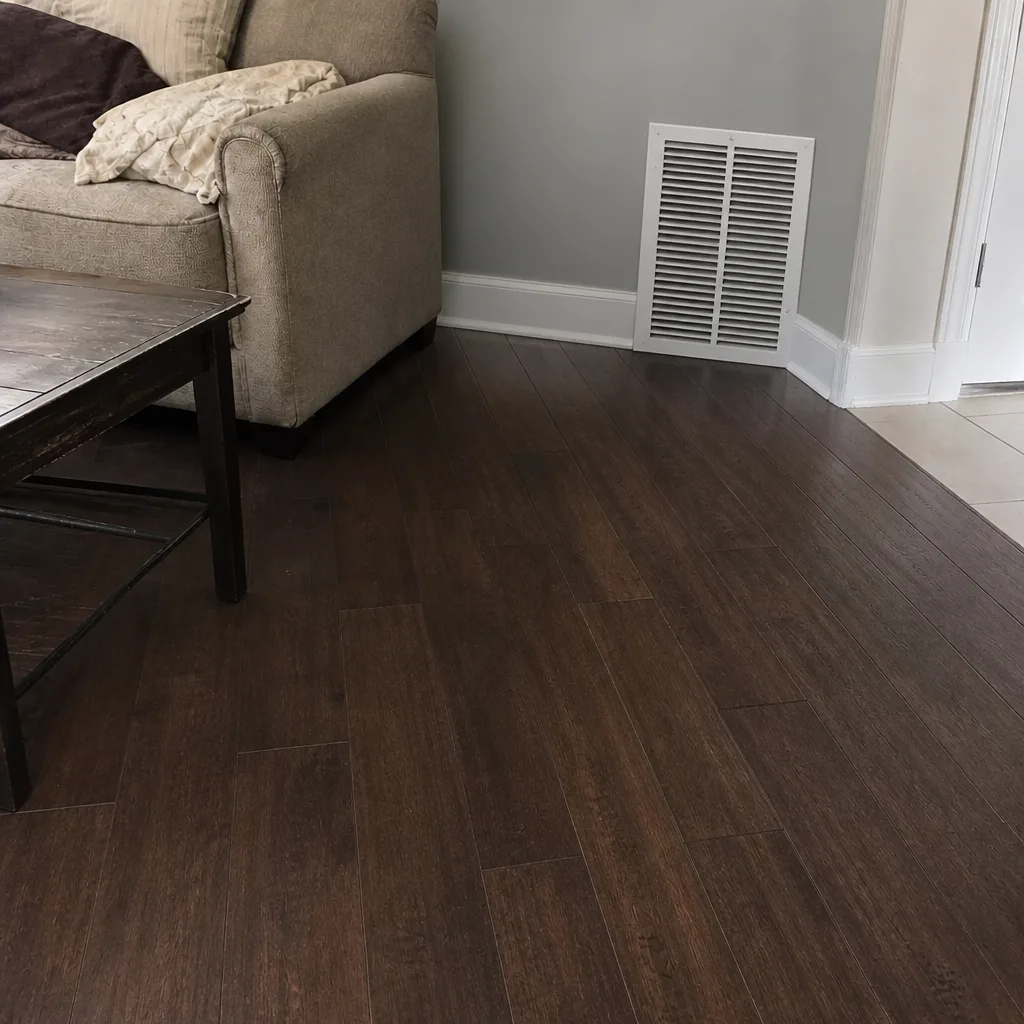 After
When to Call a Professional
Call a professional when the signs point to a system-wide problem rather than a surface issue: visible dust or debris at the registers, a musty smell when the system starts, a recent renovation or move-in, pest activity, or damage you suspect behind the walls. Duct cleaning and repair involve confined spaces, powered equipment, and in some homes, hazardous contaminants; that’s work for a trained crew, not a weekend project. Dryer vent cleaning carries its own fire-safety stake and belongs with a professional who treats it as a separate discipline. Duct Cleaning McKinney offers free estimates in McKinney and can walk you through the equipment and scope before you book. Call (866) 361-7225. We answer 24/7, with fast dispatch from 7am to 7pm, Sunday through Friday. Estimates are free, and the price is set per job by the written estimate.
Frequently Asked Questions
Air duct cleaning in McKinney is priced as a whole-system service, not per vent, and the typical range depends on the number of runs, accessibility, and how much debris has built up. A quote under $150 for a whole house is a red flag; the final invoice usually climbs well past it once the technician is on site. Call (866) 361-7225 for a free estimate with a written price set before work starts.
Because they’re customer-acquisition prices, not job prices. A low quote gets a technician in the door, and the real cost appears as on-site discovery fees once the work has begun. The price you should be comparing is the written whole-system estimate, not the phone teaser. Call (866) 361-7225 for a written quote before you book.
Ask for before-and-after photos of the interior ductwork and a written completion summary. Those two pieces of documentation are how a homeowner confirms work inside a system they can’t see. A contractor who doesn’t offer them as a matter of course is leaving you to take it on faith. Call (866) 361-7225 and ask what documentation you’ll receive.
No. NADCA membership is a useful baseline, but it only proves the contractor joined a professional body; it doesn’t prove which equipment shows up or how the job is documented. Use the membership as a floor and then ask the three equipment questions before you book.
Cleaning existing ductwork generally does not require a permit. Repair work that involves altering or replacing sections of duct is a different matter, and the rules vary by jurisdiction, so ask your city’s building department before any repair scope is agreed. Call (866) 361-7225 and we’ll walk through the scope before booking.
Only when conditions call for it. Homes with a recent renovation, a move-in, water intrusion, pest activity, or visible dust at the registers should schedule sooner. Homes without those triggers can go several years between cleanings. Call (866) 361-7225 and describe your situation for a straight answer.
The Bottom Line
Hiring a duct cleaning contractor in McKinney comes down to evidence, not trust. Ask the three equipment questions on the phone and disqualify vague answers. Treat NADCA membership as a starting point and verify the rest. Refuse per-vent pricing and any quote under $150. Request a written scope with containment and filtration spelled out, and expect before-and-after photos and a summary when the work ends. Confirm the contractor can also handle repair, and you’ll never need to hire a second one when damage shows up. Do those six things in order and the hiring decision stops being a gamble.
If you’d like a straight conversation about your system before you decide, call Duct Cleaning McKinney at (866) 361-7225 for a free estimate. We answer 24/7. Fast dispatch from 7am to 7pm, Sunday through Friday, with the price set per job by the written estimate.
Written by the team at Duct Cleaning McKinney.