
Last updated November 15, 2026
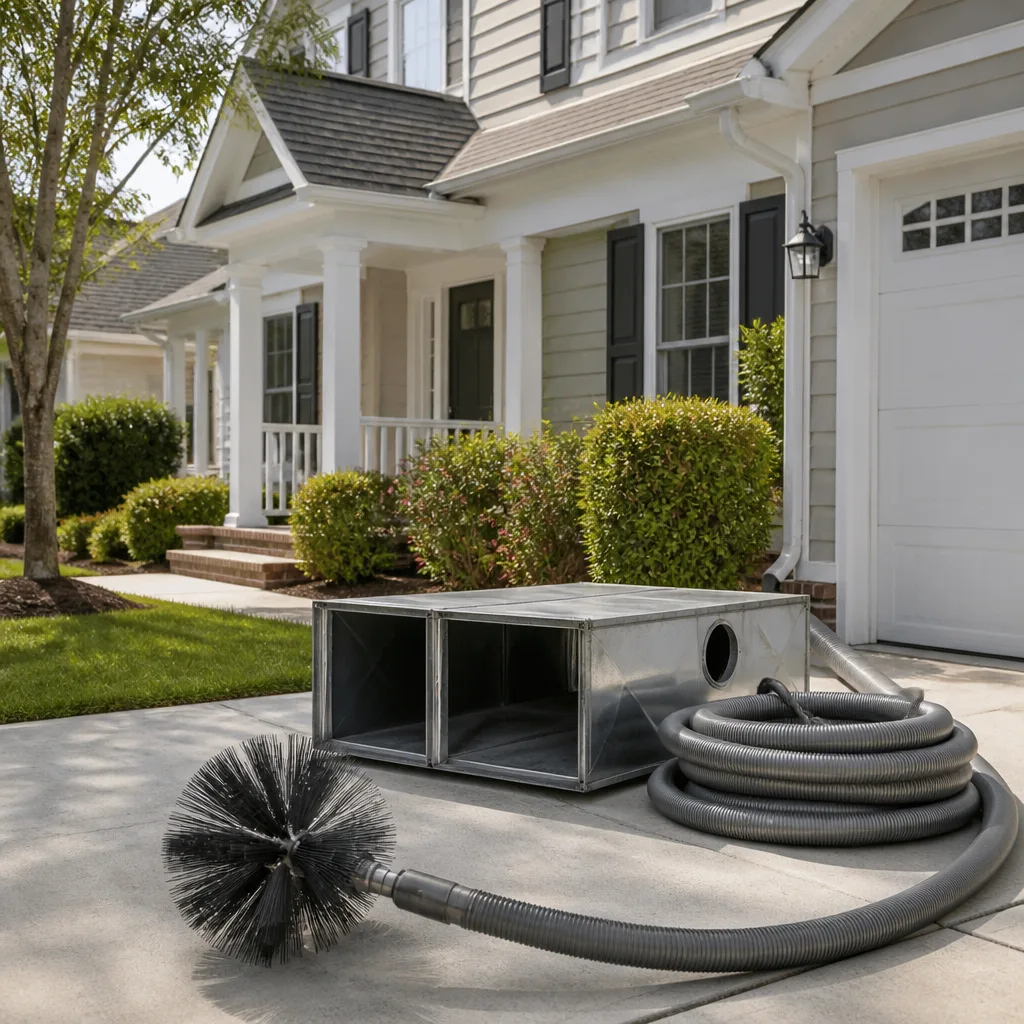 Whole-home duct cleaning
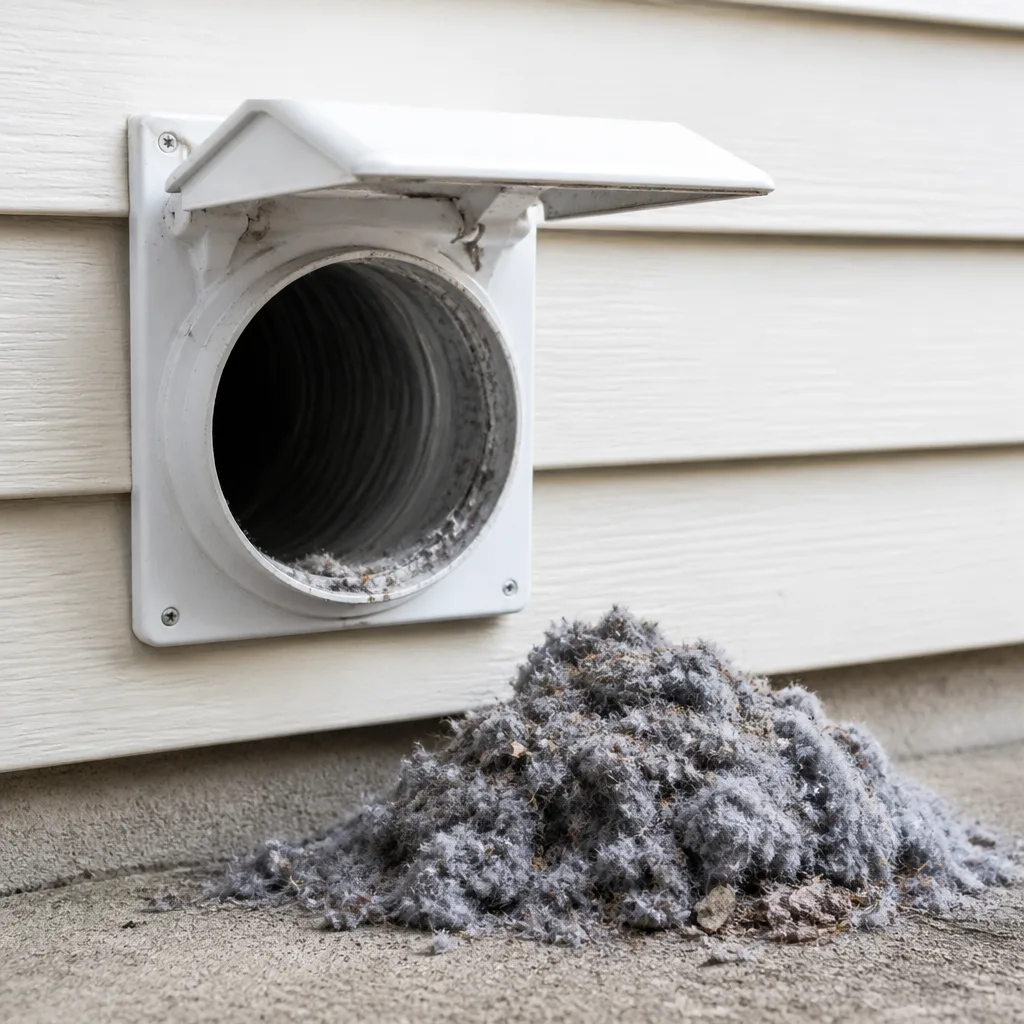 Dryer vent cleaning
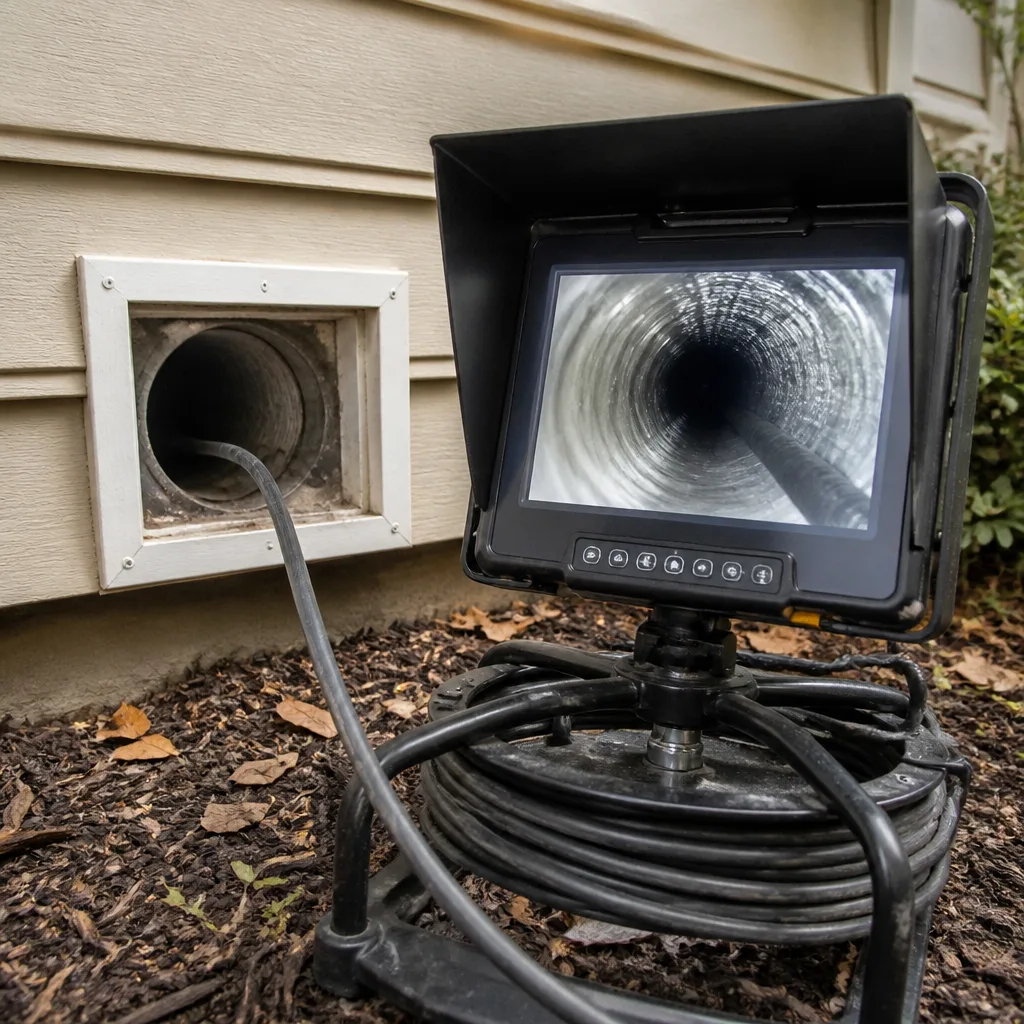 Camera inspection
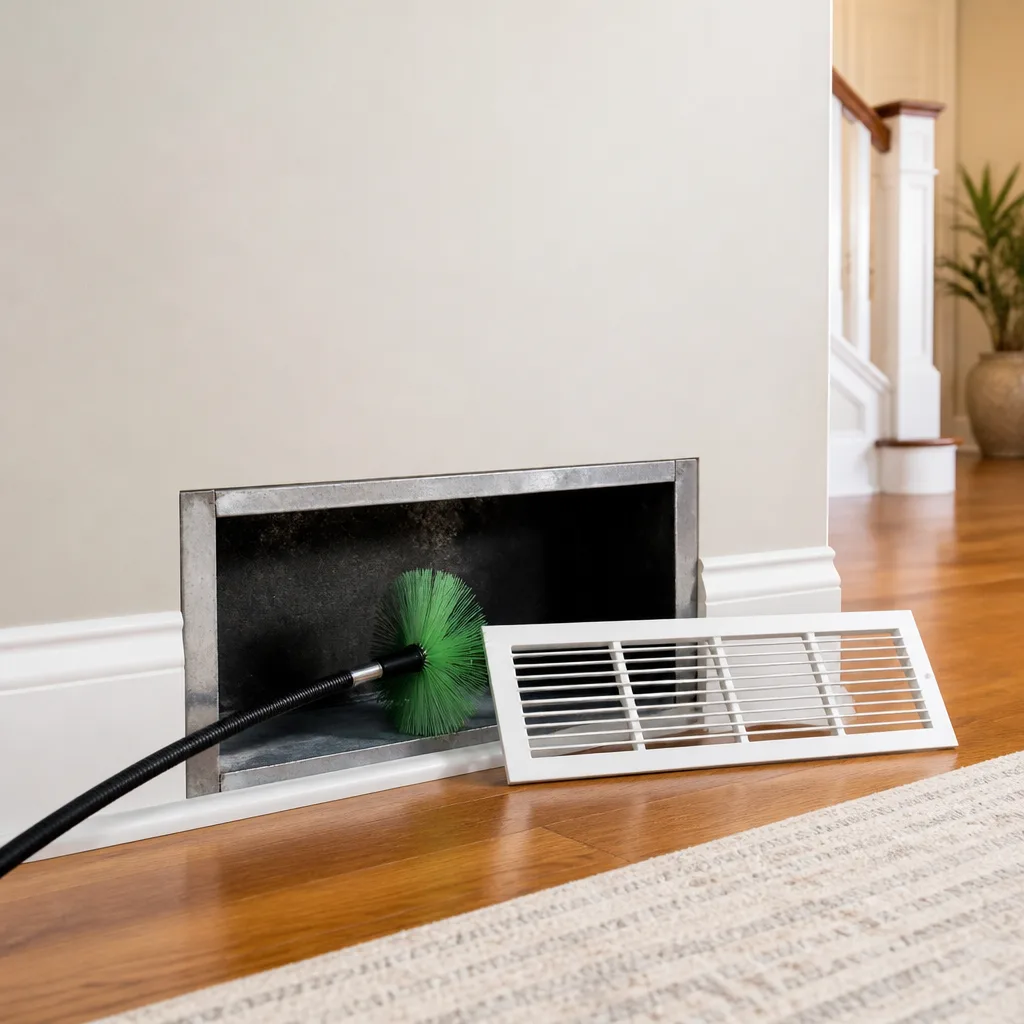 Sanitizing & deodorizing
Whole-system duct and dryer vent check with before-and-after photos - you see exactly what came out of your vents
That "$99 whole-house special" is a bait ad - the real number appears once they are in your hallway, or the "clean" is a shop-vac at the register. We photograph the inside of your ducts before and after instead.
Air Duct Cleaning Permits, Codes & Inspections in McKinney, TX: What You Need to Know
Here’s the part that surprises most homeowners: the cleaning itself is almost never the part that needs a sign-off. It’s what the cleaning uncovers. A routine job that turns up a crushed run, a disconnected joint, or a rusted-through section in a McKinney attic has just become a mechanical repair, and that’s where the City of McKinney’s code requirements come into play. Most cleaning-only contractors aren’t set up for that turn, which is why the question of who’s allowed to do what matters before the truck pulls up. This guide walks through where the line sits between cleaning and repair, what a city inspection actually looks at, and how to check a contractor before you hire.
Quick Answer
Air duct cleaning on its own typically doesn’t require a permit in McKinney, but air duct repair or replacement – especially anything that changes duct routing, connects to HVAC equipment, or involves rigid ductwork alterations – can trigger a mechanical permit through the City of McKinney’s building department. Whether a permit is needed depends on the scope of the repair and how it interacts with the mechanical system, not on the cleaning. Ask any contractor upfront whether they’re licensed and set up to pull permits for mechanical work in Collin County.
Styles & brands we work with
- Whole-home duct cleaning
- Dryer vent cleaning
- Camera inspection
- Sanitizing & deodorizing
Table of Contents
- What Does McKinney’s Mechanical Code Cover for Duct Work?
- Cleaning vs. Repair: Where the Permit Line Sits
- Texas HVAC Statutes and Duct Work: What Homeowners Should Know
- Checking a Contractor’s License in Collin County
- Containment, Abatement Technologies, and Mold-Adjacent Duct Work
- What Does a City Inspection Actually Check?
- Documentation: Why the Cleaning Report Matters
- Equipment Standards and Why They’re a Code Issue
What Does McKinney’s Mechanical Code Cover for Duct Work?
McKinney’s mechanical code governs how duct systems are sized, installed, supported, sealed, and connected to HVAC equipment. It draws on the model mechanical codes Texas adopts and then applies through local amendments. In practical terms, that means the code has a lot to say about how ductwork is built, and much less to say about how it’s cleaned.
Here’s the working distinction:
- Installation and alteration: Covered by code. Duct sizing, material, support spacing, joints, sealing at connections, and proximity to combustibles all fall under mechanical code requirements.
- Repair that restores original function: Often covered by code, because a repair that reconnects or re-seals a duct section is a mechanical alteration. Whether a permit is required typically depends on scope.
- Cleaning and maintenance: Not covered by mechanical code in the permit sense. Cleaning is a maintenance activity, not a construction activity.
This split is why a homeowner in McKinney can reasonably assume “no permit for duct cleaning” and still end up in a permit situation two hours into the job. If the technician finds a section of ductwork in the attic that has collapsed under insulation, or a flex run that’s been mangled by a pest or a roofer, restoring that section is not cleaning. It’s a mechanical repair, and depending on the scope, it may require a permit and an inspection.
We always tell customers to ask the permit question directly: “If you find damage, will this job require a permit, and are you set up to handle it?” That one question filters out a lot of trouble. Call (866) 361-7225 if you want that question answered for your specific system before you schedule.
Cleaning vs. Repair: Where the Permit Line Sits
The permit line between cleaning and repair is a scope question, and the scope is defined by what the technician physically does to the ductwork. Cleaning removes debris from the inside surfaces of existing ductwork without altering it. Repair alters the ductwork itself.
Common examples of cleaning-only work, which typically doesn’t require a permit:
- Brush agitation and vacuum extraction of supply and return ductwork
- Cleaning of registers, grilles, and boots
- Cleaning the air handler cabinet and blower area as part of system cleaning
- Cleaning of the dryer vent run
Common examples of repair work that may trigger a mechanical permit:
- Replacing a collapsed or crushed section of rigid or flex duct
- Reconnecting a duct run that has separated at a joint or boot
- Rerouting ductwork to improve airflow or fix a design flaw
- Replacing duct board or sealing sections in a way that changes the system’s configuration
- Any work that involves opening the HVAC equipment cabinet beyond what’s needed to clean
In our experience working on systems across McKinney, the repairs that surface during a cleaning fall into a handful of familiar patterns: crushed flex runs in attics where insulation has shifted, disconnected boots at registers, and deteriorated duct board in older systems. None of these are rare. The question is whether the contractor doing the cleaning is licensed and set up to handle the repair properly, or whether they hand you a business card for “a guy who does duct work” and drive off.
That’s the gap we built our service around. Our air duct cleaning visit includes a repair capability, so if we find damage, we can address it in the same engagement rather than leaving you to coordinate a second contractor and hope the scopes match. If the repair requires a permit, that gets discussed before the work starts, not after.
Texas HVAC Statutes and Duct Work: What Homeowners Should Know
Texas regulates HVAC contracting at the state level, and duct work is generally treated as part of that regulated activity when it involves installation or repair. The practical effect is that a contractor performing mechanical repairs on ductwork should hold the appropriate state HVAC credentials for the scope of work, and should be able to tell you exactly what those credentials are.
What this means in a real conversation with a contractor:
- Ask what’s covered. “Are you licensed for mechanical repair work, or is your scope cleaning only?” A cleaning-only operation should say so plainly.
- Ask about the permit. “For a repair like this, would the City of McKinney require a permit?” A contractor who does repair work will know the answer and can explain the reasoning.
- Ask who pulls the permit. If a permit is needed, the licensed contractor typically pulls it. If the answer is “the homeowner pulls it,” that’s a sign the contractor isn’t set up to do the regulated work.
- Ask for the documentation. A written scope of work, before-and-after photos, and a clear description of what was cleaned and what was repaired.
Texas statutes don’t treat duct cleaning as HVAC contracting in the regulated sense, which is exactly why the industry has so many cleaning-only operators. That’s not inherently a problem – a dedicated cleaning specialist can do excellent work. It becomes a problem when the cleaning reveals a repair the specialist can’t legally perform, and the homeowner only learns that after the ducts are open and the airflow is compromised.
For property managers in McKinney, this matters even more. A commercial or multi-unit property that ends up with an unpermitted duct repair can face complications at inspection, insurance renewal, or resale. Verifying that the contractor on your vendor list is set up for repair work and permits is a basic risk management step, and it’s one a lot of vendor lists miss.
Checking a Contractor’s License in Collin County
Before you hire anyone for duct work in McKinney, verify three things: what the contractor is licensed to do, whether that license covers the scope you need, and whether they can pull a permit if the scope changes mid-job. Collin County has no single local licensing board for duct work – HVAC licensing runs through the state – but the City of McKinney’s building department is where mechanical permits are processed, and the contractor should know how to work with it.
A short verification checklist:
- State HVAC credentials: Ask directly. A contractor doing mechanical repair work should be able to state their license type and number without hesitation. If they can’t, that’s your answer.
- Scope of work in writing: Cleaning only, or cleaning plus repair? Get it in writing before scheduling.
- Insurance: For any repair work, verify liability coverage and workers’ comp. Ask for a certificate, not a verbal yes.
- Permit familiarity: “Have you pulled mechanical permits in McKinney?” A contractor who does repair work regularly will say yes without a pause.
- Before-and-after documentation: Photos of the duct interiors, before cleaning and after. Any contractor who doesn’t offer this should be asked why.
- Equipment list: Ask what equipment they run. Professional-grade equipment like Rotobrush agitation systems and Nikro HEPA filtration is expensive, and contractors who own it tend to talk about it plainly.
None of this is exotic. It’s the same set of questions you’d ask a roofer or an electrician before letting them open a wall. Duct work just happens to sit in a regulatory gray zone that has attracted a crowd of low-bid operators, which makes the questions more important, not less. If a contractor gets defensive at the license question, that tells you something useful before they’ve touched anything.
We’re happy to answer all six of these before you book. Call (866) 361-7225 and we’ll walk through your system’s needs and what a permit situation would look like for your specific scope.
Containment, Abatement Technologies, and Mold-Adjacent Duct Work
Mold found inside ductwork turns a maintenance job into a containment job. When visible mold growth is present on duct surfaces, the work shifts from routine cleaning to remediation-adjacent activity, and the equipment standard shifts with it. This is where most cleaning-only operators fall short: they own a vacuum, not a containment setup.
Professional duct cleaning on a mold-adjacent job involves several things at once:
- Source capture, not recirculation. Dislodged material has to be pulled into a HEPA-rated vacuum at the point of agitation, not allowed to drift through the house. Nikro HEPA-filtration equipment is designed for this exact role – trapping particulates during extraction rather than after.
- Negative pressure. Contaminants get pulled away from the living space and held, not pushed into it. Abatement Technologies negative-air machines are the same equipment specified for mold remediation and disaster restoration work, and they’re the standard for this job.
- Mechanical agitation. Vacuuming over a layer of debris doesn’t remove it. Rotobrush brush-agitation systems mechanically dislodge material from duct walls so the HEPA capture can actually extract it.
- Post-cleaning assessment. Visible growth gets documented, and a decision gets made about whether the affected section needs repair or replacement. That decision is where the permit question re-enters the conversation.
We clean ducts the way restoration professionals do, because mold-adjacent work demands it. When we’re working in a McKinney home where growth is present, we treat it as a containment job from the start: negative air, HEPA capture, and documentation. If the assessment calls for replacing a mold-damaged section of duct, that repair is a mechanical alteration, and the permit question gets raised before any cutting starts.
Local containment requirements for mold remediation work in Texas don’t have a single bright-line rule that applies to every duct job, which is why professional judgment matters here. A contractor who has run Mold-adjacent jobs before knows how to assess the situation and set up the work that protects the home. A contractor who hasn’t – and this is most cleaning-only services – will either decline the job or push through without proper containment, and neither outcome serves the homeowner well.
What Does a City Inspection Actually Check?
A city inspection on duct repair work looks at the mechanical work itself, not the cleanliness of the ducts. The inspector is checking that the repaired or replaced ductwork conforms to code and that the system functions as designed. Cleaning isn’t part of the inspection, but the documentation from the cleaning job often is, because it establishes the baseline the repair was based on.
What an inspector typically examines on a duct repair:
- Duct material and sizing: Does the replacement section match code requirements for the system?
- Support and connections: Are the joints sealed, are the supports spaced correctly, is the connection to the HVAC equipment sound?
- Combustion air and clearance: Is there required clearance from combustibles, and any gas appliance venting or combustion air requirements affected by the work?
- Sealing: Are duct joints and connections sealed to the standard the code specifies?
- Access: Is there proper access for future maintenance and inspection?
- Documentation: The scope of work, the permit, and any photos or records from the pre-repair cleaning that justify the repair.
The documentation piece is the one homeowners most often overlook. If a repair is being performed because cleaning revealed damage, the cleaning report from before the repair is what establishes that the repair wasn’t arbitrary. A well-documented job includes before-and-after photos of the duct interiors, a written scope, and a clear description of what was found and what was done. That package carries weight at inspection and later, at resale or insurance review.
For anyone scheduling duct work in McKinney, the practical takeaway is this: a contractor who does repair work should hand you documentation as a matter of course, not on request. Insist on it. If the repair is inspected, you’ll need it. If it isn’t, you’ll still want it when the next contractor or inspector asks what was done to the system.
Documentation: Why the Cleaning Report Matters
The cleaning report is the paper trail that makes the repair defensible. Without it, a permit inspector sees a repaired duct and has no way to verify what condition it was in before or what the repair addressed. With it, the inspection is a confirmation of a documented process.
What a useful cleaning report includes:
- Pre-cleaning photos of the duct interiors, identified by which run they came from.
- A written description of conditions found: debris levels, visible growth, damage, disconnected sections.
- The cleaning method used – agitation source, extraction equipment, and whether negative air was deployed.
- Post-cleaning photos of the same runs, so the before-and-after is verifiable.
- A written repair recommendation detailing any damage found, with photos and an explanation of why the repair is needed and whether it’s likely to require a permit.
- The scope of work actually performed, signed off, with the date.
This is the standard we hold ourselves to on every job in McKinney. Before-and-after photos of your own ducts, a written summary of what was found and what was done, and a clear recommendation if repair is needed. If we recommend a repair that requires a permit, that’s discussed and handled before the work proceeds. It’s not the flashiest part of the job, but it’s the part that matters when a question comes up later.
One practical note for anyone comparing quotes: ask every contractor whether they provide before-and-after photos of the duct interiors. The answers will separate the professional operations from the ones running a shop vac and a tape measure. It’s the fastest single question we know to sort through a stack of bids.
Equipment Standards and Why They’re a Code Issue
Equipment isn’t strictly a code matter, but it’s a close cousin. The reason cities and inspectors care about duct work being done correctly is that a compromised duct system creates real problems: energy loss, indoor air quality degradation, and pressure imbalances. The equipment a contractor brings determines whether the work they do protects the system’s integrity or undermines it.
Professional-grade equipment matters at three points on a duct job:
- Agitation. Rotobrush brush-agitation systems mechanically dislodge material from duct walls. Consumer-grade equipment can’t do this reliably, which is why vague vacuuming leaves debris behind.
- Capture. Nikro HEPA-rated vacuuming traps particulates during extraction. The alternative is a shop vac that recirculates them into the home.
- Containment. Abatement Technologies negative-air machines keep contaminants out of the living space. On any job involving visible growth, this equipment is what makes the work safe to perform.
We also install Honeywell and Aprilaire IAQ products as part of a broader system upgrade, connecting a cleaning visit to a whole-home air quality improvement when the system benefits from it. If your ducts are getting cleaned, the filtration and humidity control upstream of them are worth a look at the same time – not as an upsell, but because a cleaning that’s followed by inadequate filtration is a cleaning that will need to happen again sooner.
For homeowners in McKinney who’ve been burned by a low-bid duct cleaning that left more debris than it removed, the equipment question is the practical filter. Ask what equipment the contractor uses. If they can name the equipment and explain why each piece matters, you’re probably talking to a professional operation. If the answer is vague, the work will likely be vague too. And if you also need dryer vent cleaning while the technician is out, that’s a standalone safety service worth scheduling – lint buildup in the dryer vent run is a leading cause of residential fires, and it’s a separate scope from the HVAC ductwork.
Common Mistakes to Avoid
- Assuming duct repair never needs a permit. Cleaning doesn’t require a permit; structural repair of ductwork often does. The assumption that comes from cleaning experience doesn’t carry over to repair, and that gap can turn a simple job into a compliance headache for a McKinney homeowner.
- Hiring a cleaning-only contractor and discovering mid-job they can’t repair. Asking upfront whether the contractor is set up for mechanical repair work in Collin County is the single best protection against this. The answer should be clear, not vague.
- Skipping the license question. Texas HVAC licensing covers mechanical repair work. A contractor who can’t state their credentials is a contractor who can’t legally do everything the cleaning might reveal.
- Accepting verbal-only documentation. “We cleaned it well” isn’t a record. Before-and-after photos, a written scope, and a signed summary are the standard for a professional job, especially if a repair is involved.
- Not checking the contractor’s equipment. Consumer-grade vacuums and vague promises are the standard in low-bid duct cleaning. Rotobrush, Nikro, and Abatement Technologies equipment is the tell for a professional operation.
- Treating mold-adjacent work as routine cleaning. Visible growth in a duct changes the containment requirements. Negative air and HEPA capture aren’t optional on those jobs, and a contractor without the equipment shouldn’t be doing the work.
- Failing to document the pre-repair condition. If an inspection is required, the cleaning report establishes the baseline for the repair. Without it, the inspection has less to work with, and so do you.
See the difference
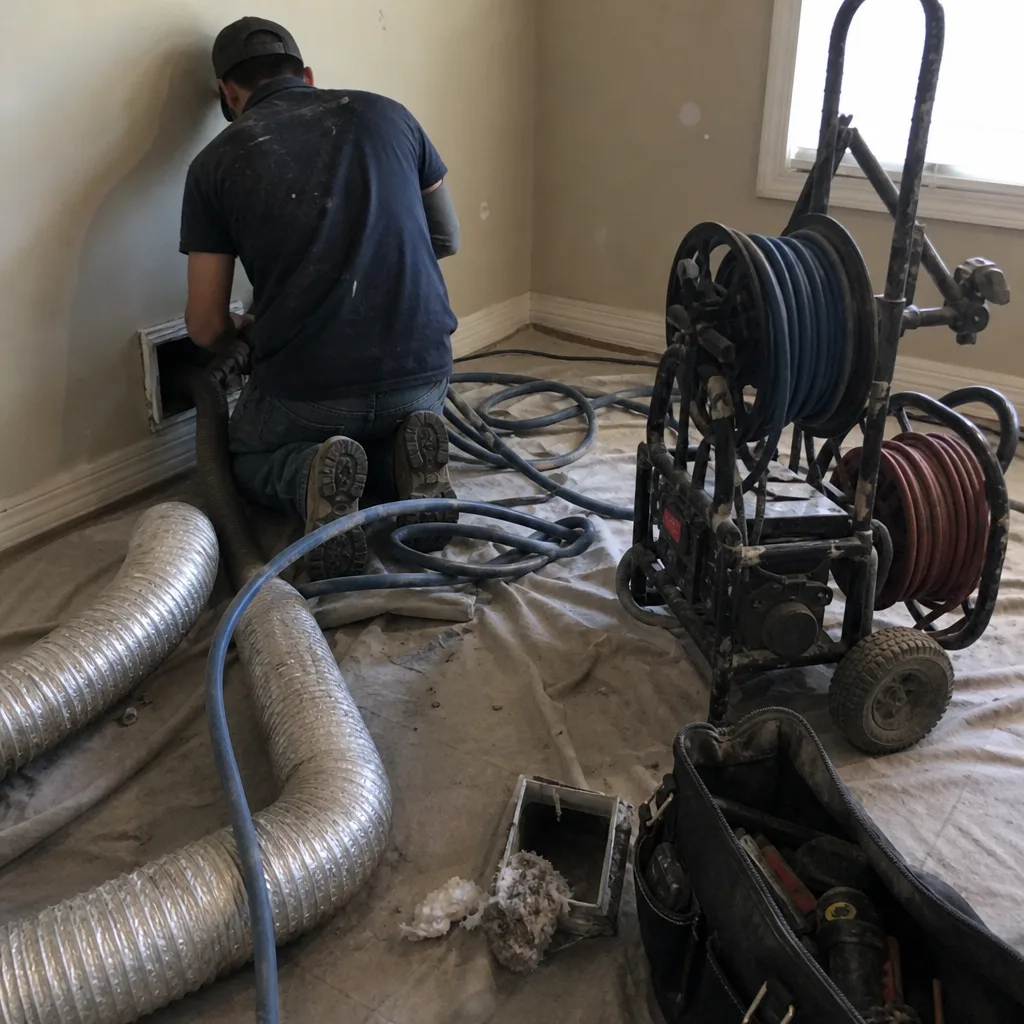 Before
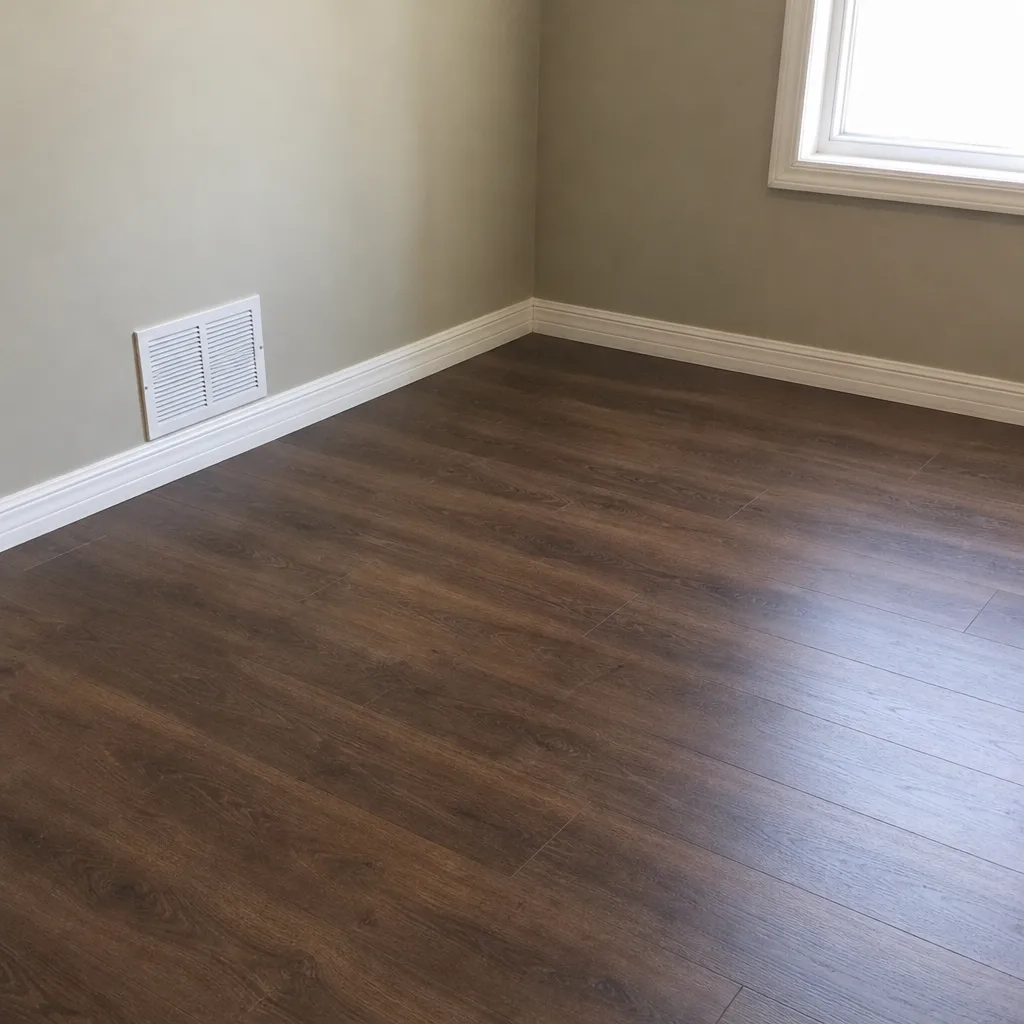 After
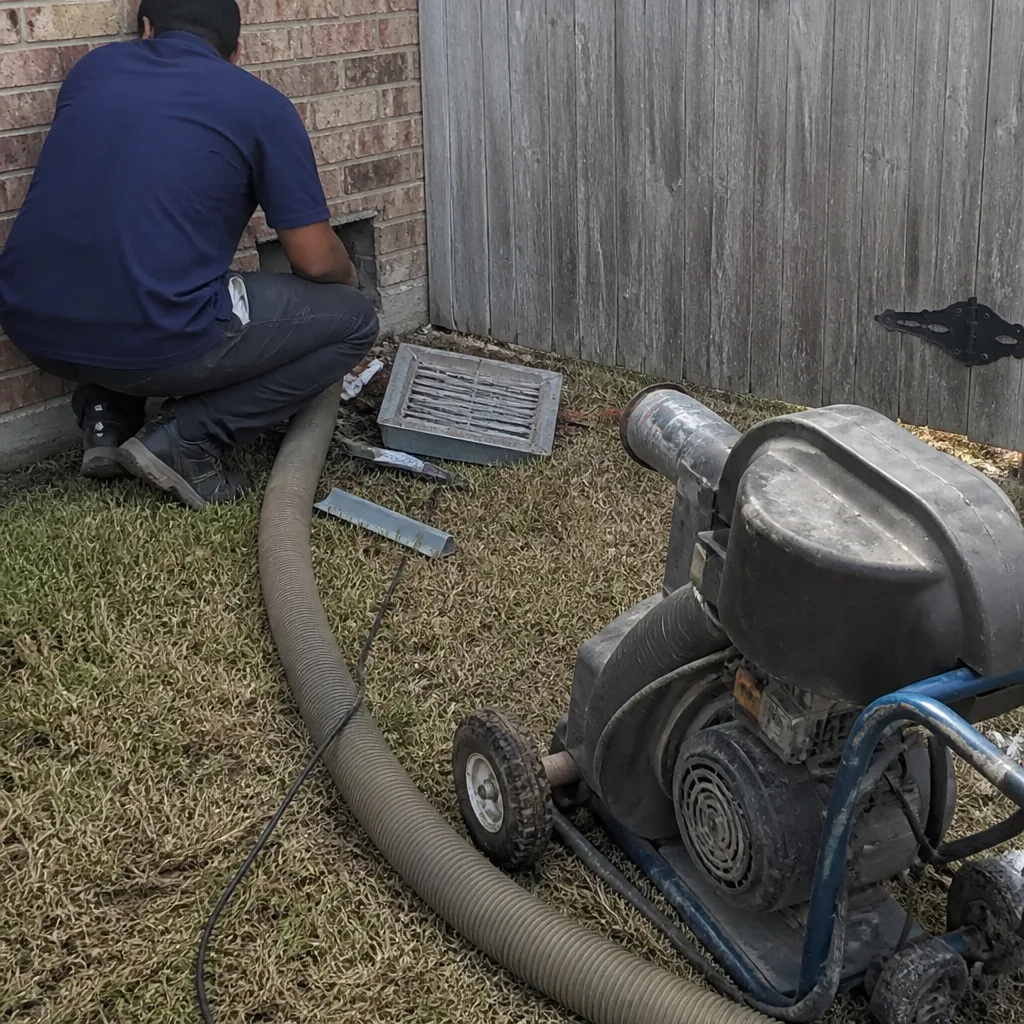 Before
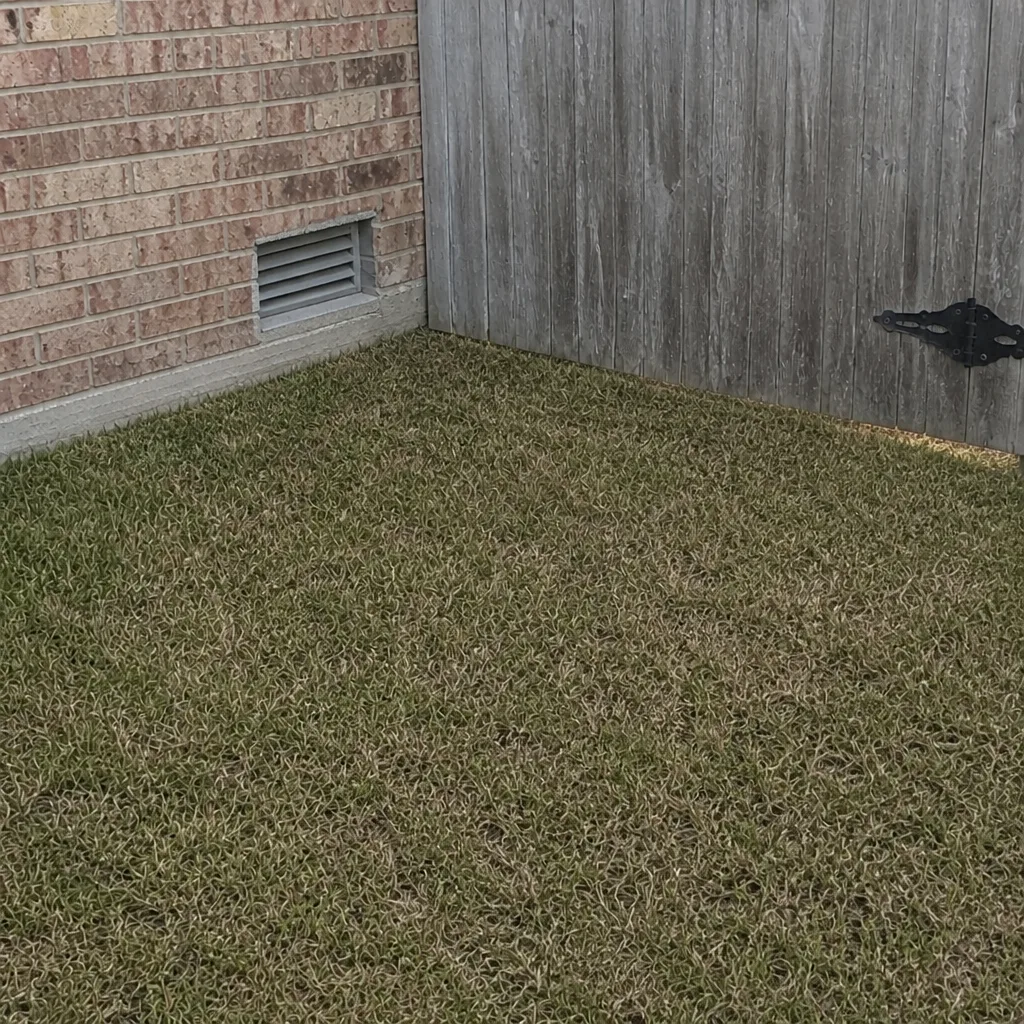 After
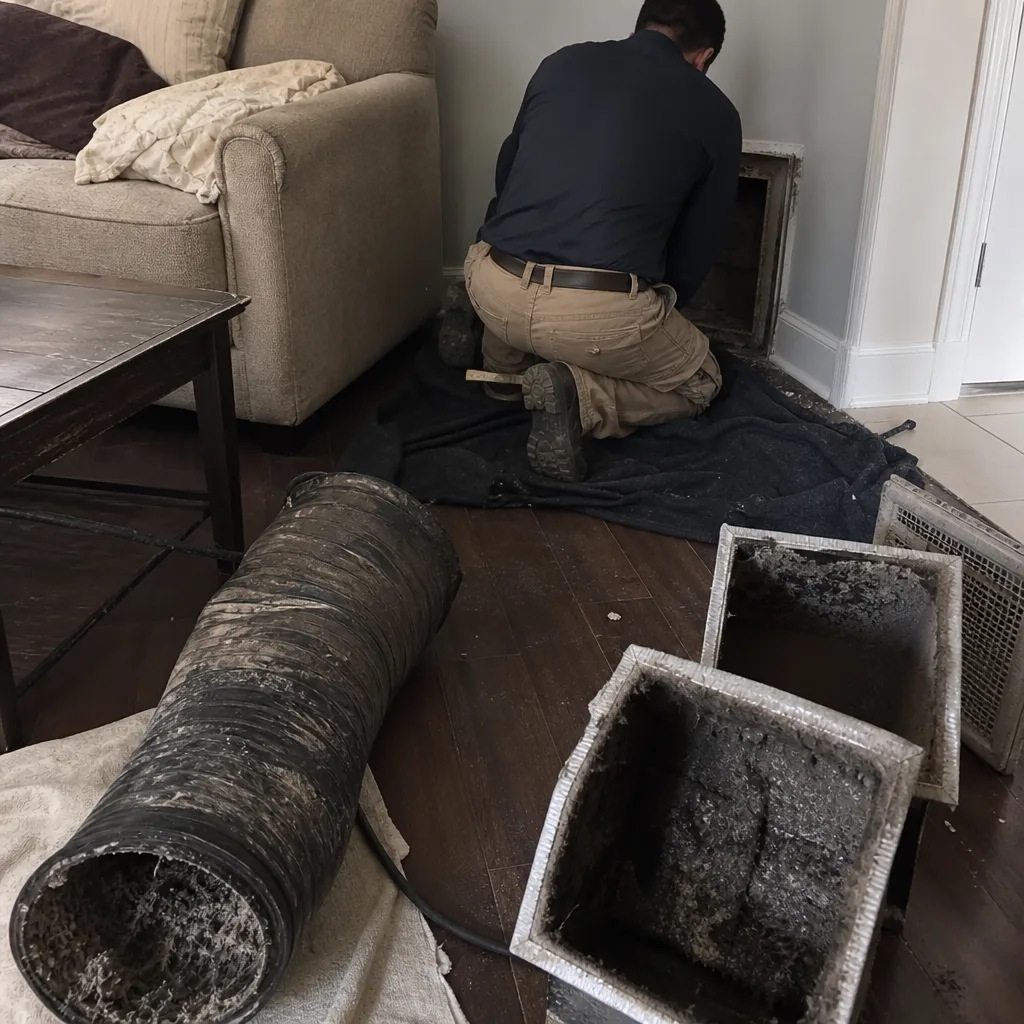 Before
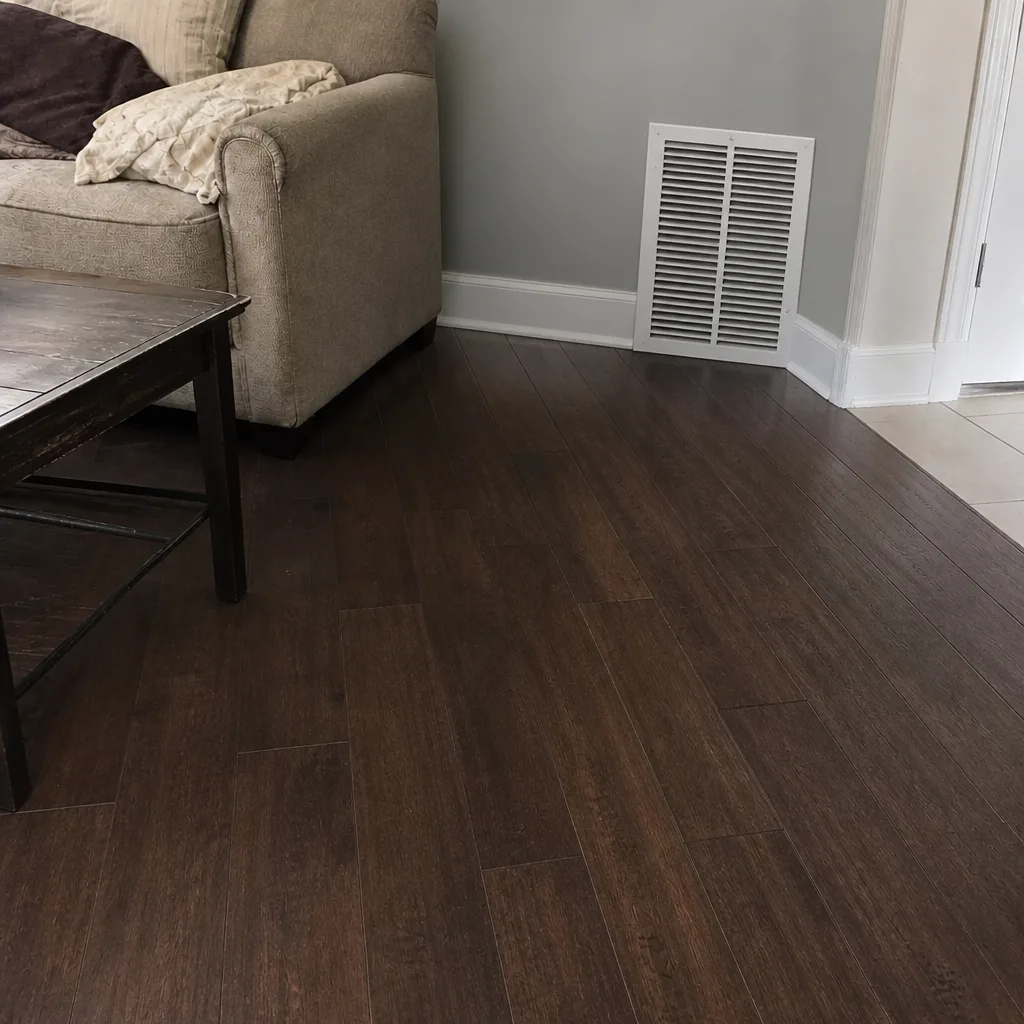 After
When to Call a Professional
If a duct cleaning has surfaced damage you didn’t know was there, or if you’re seeing symptoms like uneven airflow between rooms, visible dust at the registers, or a system that’s running longer than it used to, it’s time to get a professional assessment. If you’re a property manager in McKinney scheduling duct work for a commercial or multi-unit property, verifying that your contractor is set up for both cleaning and repair – and can pull a permit if needed – should be step one. And if you’re facing visible growth in the ductwork, this isn’t a DIY job; HEPA capture and negative air are what make it safe. Duct Cleaning McKinney offers free estimates in McKinney – call (866) 361-7225.
Frequently Asked Questions
No. Air duct cleaning on its own typically doesn’t require a permit from the City of McKinney, because cleaning is a maintenance activity rather than a construction or alteration activity. The permit question only comes into play if the cleaning reveals duct damage that needs repair or replacement. Call (866) 361-7225 if you want your specific scope reviewed before scheduling.
Often yes, depending on the scope. Repair or replacement of ductwork is a mechanical alteration, and that’s the kind of work that can trigger a mechanical permit through the City of McKinney’s building department. The scope of the repair – what’s being changed, how the system’s configuration is affected – determines whether a permit is required. A contractor set up for repair work will be able to explain the permit situation for your job clearly before any work starts. Call (866) 361-7225 for a free estimate that includes a permit review.
Because Texas HVAC licensing covers mechanical repair work, and a contractor without it can’t legally fix what the cleaning might uncover. A cleaning-only operation may do excellent cleaning work, but if the job reveals a crushed duct or a disconnected joint, they’ll have to hand you off to someone else. Asking upfront whether the contractor is set up for repair work in Collin County is the fastest way to know whether the job is covered end to end. Call (866) 361-7225 to schedule with a contractor who handles both.
An inspector checks the mechanical work – duct material and sizing, supports, joint sealing, clearance from combustibles, connections to the HVAC equipment, and access for future maintenance. Cleaning isn’t the focus, but the cleaning report from before the repair is often what establishes the baseline for the inspection. If you’re having duct repair done and a permit is involved, the documentation package matters as much as the repair itself. Call (866) 361-7225 to discuss documentation on your job.
Visible growth in the ductwork shifts the work from routine cleaning to a remediation-adjacent job, and if that assessment leads to replacing a mold-damaged section, the replacement is a mechanical alteration that may require a permit. The containment side – Abatement Technologies negative air, Nikro HEPA capture – keeps the job safe to perform, and the documentation side establishes what was found and what was repaired. In our experience, mold-adjacent duct jobs in McKinney benefit from a contractor who can handle cleaning, containment, and repair under one scope. Call (866) 361-7225 to talk through your situation.
Duct cleaning in the McKinney area typically runs on whole-system pricing, and the exact cost depends on the number of runs, the system’s condition, and whether repair or mold containment is needed. Cheap quotes are usually cheap for a reason: consumer-grade vacuums, no brush agitation, no containment equipment, and no documentation. That low price reflects a different job, not a better deal. The realistic question isn’t “who’s cheaper” but “what equipment and process is that price buying me.” Call (866) 361-7225 for a free estimate – we price per system, not per vent, and we tell you what the job actually involves before you commit.
Before-and-after photos of your own duct interiors are the answer. Photos taken before cleaning and after, from the same runs, with a written summary of conditions found and work performed. Without that documentation, you’re relying on a verbal assurance. We provide before-and-after photos on every job, and if a repair is recommended, we document the reason with photos and a written scope so you can see exactly why the repair is needed. Call (866) 361-7225 to schedule and we’ll walk through the documentation before we start.
The Bottom Line
Duct cleaning in McKinney rarely needs a permit. Duct repair, if the cleaning reveals damage, often does. That single distinction is what separates a maintenance job from a regulated mechanical alteration, and it’s the reason homeowners should ask about licensing and permits before the truck pulls up, not after the ducts are open. The practical checklist stays short: verify the contractor’s HVAC credentials, ask whether they’re set up for repair work in Collin County, confirm they pull permits when a repair requires it, and insist on before-and-after documentation. Professional-grade equipment – Rotobrush agitation, Nikro HEPA capture, Abatement Technologies negative air – is the tell for a serious operation. Call (866) 361-7225 and we’ll review your system’s scope and permit situation before you schedule. We answer 24/7. Fast dispatch from 7am to 7pm, Sunday through Friday.
Written by the team at Duct Cleaning McKinney.