
Last updated November 15, 2026
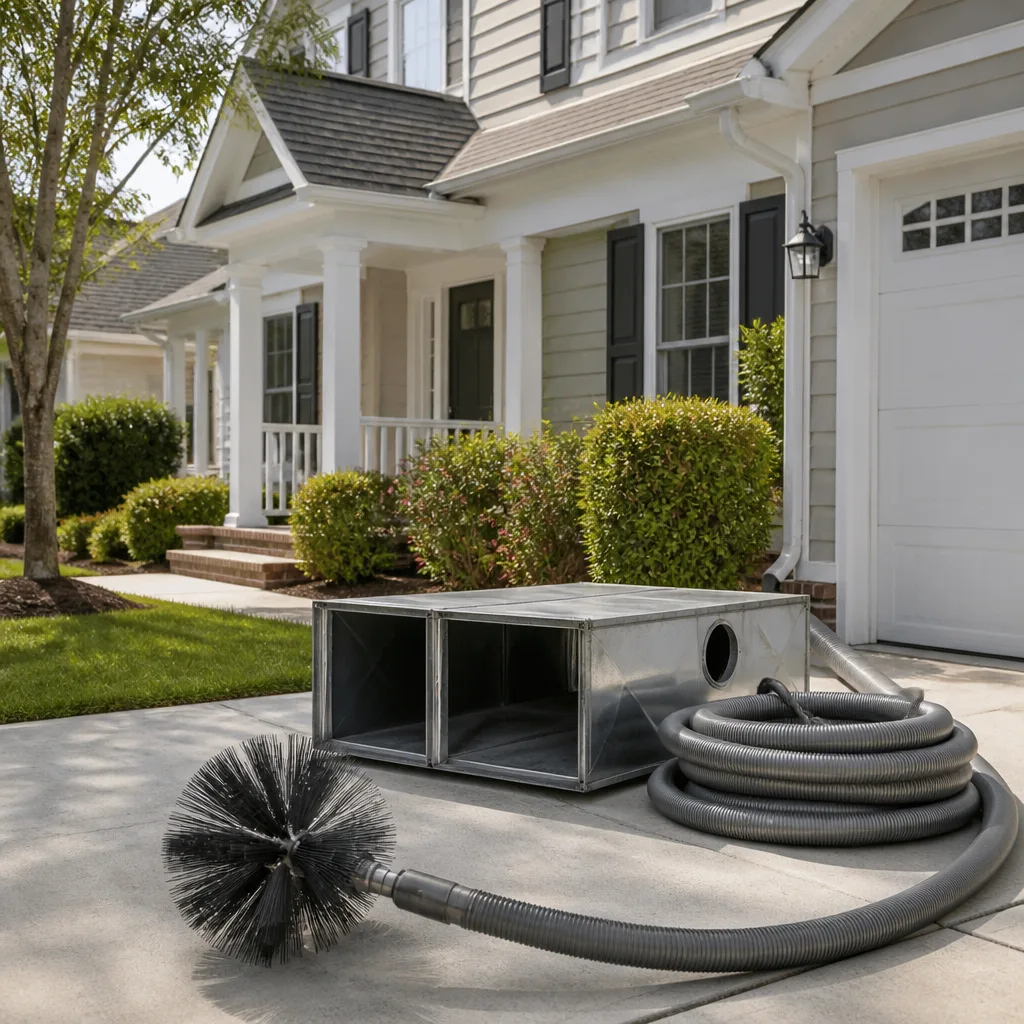 Whole-home duct cleaning
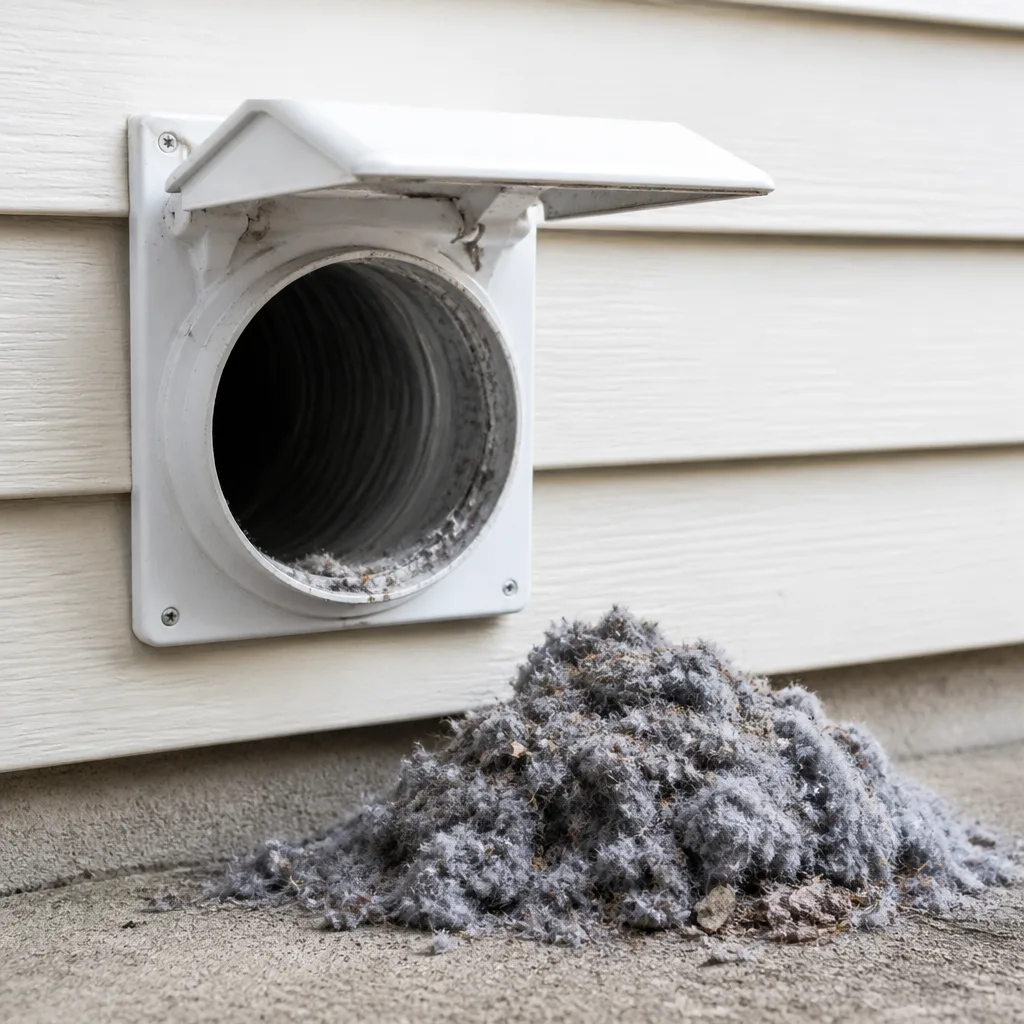 Dryer vent cleaning
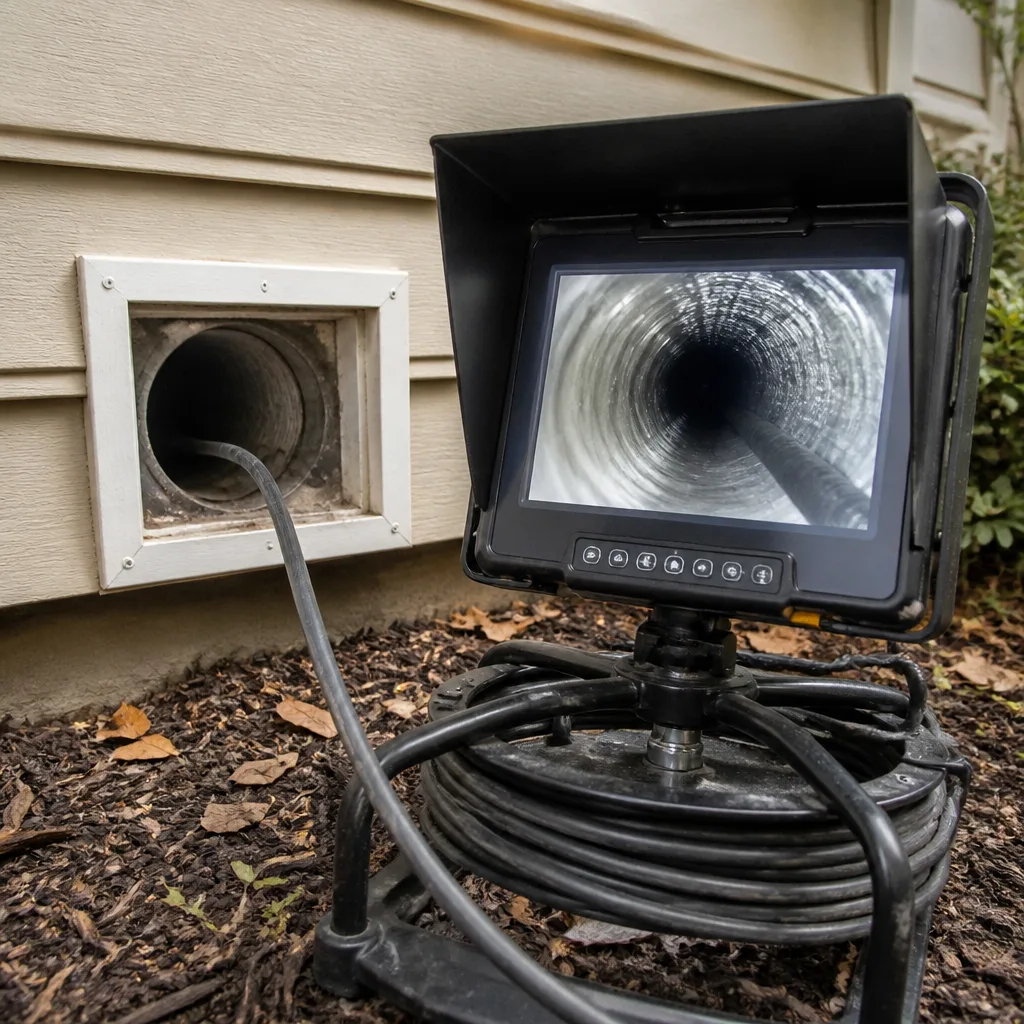 Camera inspection
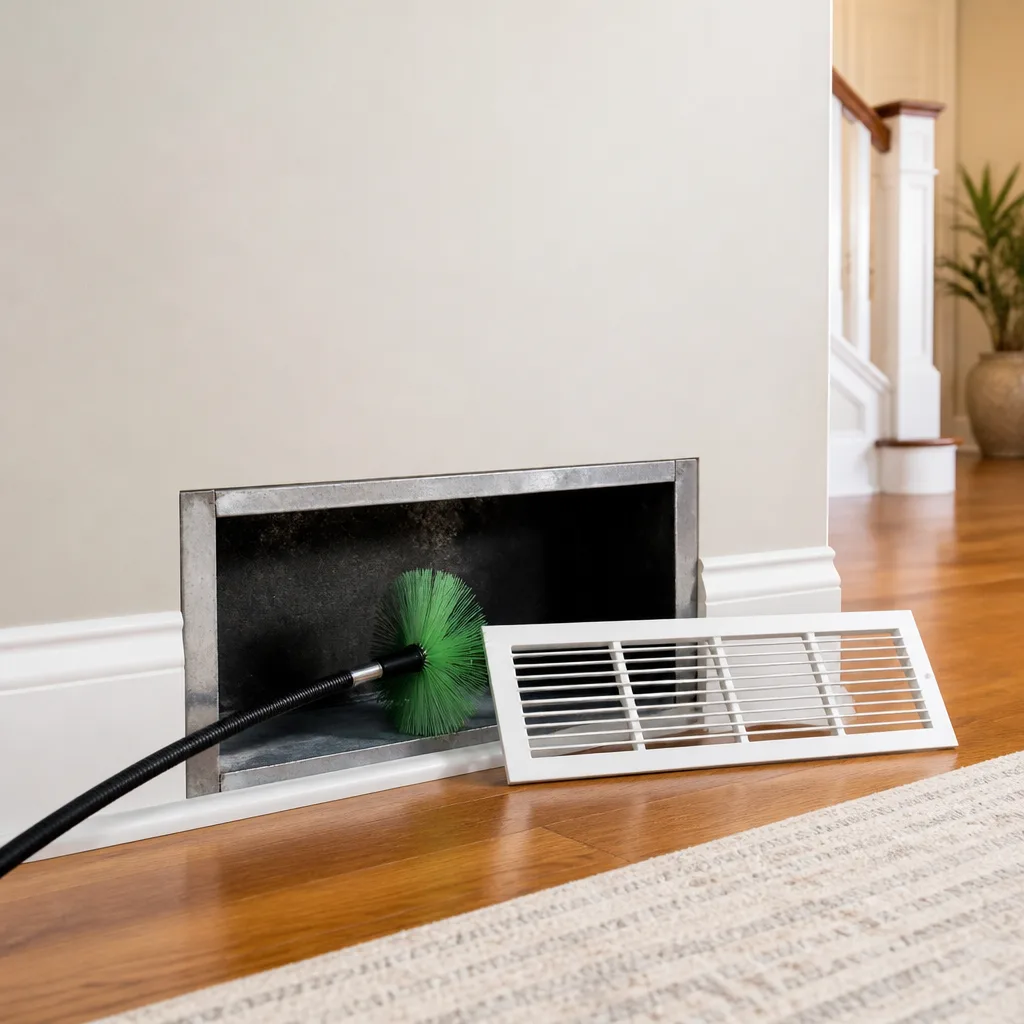 Sanitizing & deodorizing
Whole-system duct and dryer vent check with before-and-after photos - you see exactly what came out of your vents
That "$99 whole-house special" is a bait ad - the real number appears once they are in your hallway, or the "clean" is a shop-vac at the register. We photograph the inside of your ducts before and after instead.
Air Duct Cleaning Troubleshooting in McKinney: Common Problems and How to Fix Them
A clogged return duct and a failing blower motor feel identical from the living room: almost no air coming out of the vent. Homeowners tend to assume the worst, or the cheapest thing, and often call the wrong trade first. The good news is that most duct complaints have a mechanical cause you can narrow down with a flashlight, a piece of tissue, and a little patience. This guide maps the symptoms you’re seeing to the real causes behind them, shows you which sections of ductwork you can safely inspect yourself, and explains when the problem is a cleaning job, a repair job, or an HVAC call. If you’re in McKinney, the local climate adds a couple of twists worth knowing.
Quick Answer
Most air duct problems in McKinney come down to three causes: accumulated dust and debris restricting airflow, physical damage like a disconnected or crushed flex duct, or an HVAC mechanical fault that no amount of cleaning will fix. You can usually tell them apart by checking airflow strength at several vents and looking at the accessible duct runs yourself. Cleaning solves the first, duct repair solves the second, and the third belongs to an HVAC technician.
Styles & brands we work with
- Whole-home duct cleaning
- Dryer vent cleaning
- Camera inspection
- Sanitizing & deodorizing
Table of Contents
- Symptom-to-Cause Map: What Your Vents Are Telling You
- How to Inspect Your Accessible Ducts Yourself
- Cleaning vs. Repair vs. HVAC Service: Which Problem Do You Actually Have?
- McKinney-Specific Triggers: Caliche Dust and Summer Humidity
- What Professional Equipment Reveals That a Shop-Vac Misses
- When Cleaning Uncovers a Collapsed Duct Liner
- Air Duct Repair: What a Real Fix Involves
- Keeping Your Duct System Clean After the Work Is Done
Symptom-to-Cause Map: What Your Vents Are Telling You
Before you pick up the phone, spend ten minutes matching your symptom to a likely cause. The chart below is the same reasoning we walk through on every diagnostic visit in McKinney, and it saves homeowners from paying for the wrong service.
- Weak airflow at one or two vents, strong elsewhere: Usually a kink, crush, or disconnect in the branch duct feeding that room. Cleaning won’t restore airflow through a pinched run; the duct needs to be reconnected or replaced.
- Weak airflow at every vent: Often a clogged return, a dirty air handler coil, or a failing blower motor. A clogged return and a failed blower produce nearly identical symptoms at the supply vents, so this one needs a professional to separate.
- Musty or dusty smell when the system kicks on: Debris buildup inside the ducts, or moisture feeding microbial growth at a boot collar or in a section of insulated flex duct. Persistent musty odor after a cleaning points to a moisture source that needs to be found.
- Visible dust puffing from supply vents: Loose debris on the duct interior getting pushed through when the fan starts. Common after renovation or a recent move-in.
- Uneven temperatures room to room: Could be a balancing issue, a crushed duct, or a partially closed damper. Sometimes a duct cleaning reveals a damper blade that’s been stuck shut.
- Rattling or whistling noise: Loose duct liner, a partially disconnected joint, or undersized ducting running above its intended static pressure. Liner that has come loose is a repair item, not a cleaning item.
Notice that only about half of these are cleaning problems. That’s the point. If you match your symptom to a likely cause before you call anyone, you can ask the right questions and avoid paying for a service that won’t fix what’s actually wrong.
How to Inspect Your Accessible Ducts Yourself
You don’t need to crawl into the attic to do useful inspection. A lot of the most revealing checks happen at floor level and on the exterior of the system.
- Pull a floor or wall register. Shine a flashlight down into the boot and the first few feet of duct. Look for a dust mat on the metal, visible debris, or dark staining that suggests moisture. Also check that the boot collar is still sealed to the drywall or subfloor.
- Look for a flex duct disconnect. In homes where flex duct runs through the attic or crawlspace, the inner liner at a joint sometimes slips off the takeoff collar. You’ll usually see it where duct meets the plenum or a room boot. A separated inner liner dumps conditioned air into the attic instead of the room.
- Check for crush points. Flex duct should run in gentle curves. Any kink sharper than a broad bend, or any run pinched under a joist or resting on debris, restricts airflow.
- Do the tissue test. Hold a single-ply tissue against a return grille with the fan running. It should snap firmly to the grille. If it barely holds, the return is restricted or the blower is weak.
- Compare supply airflow room to room. Hold the tissue over each supply register for a few seconds. Noticeably weaker flow in one or two rooms points at the branch duct feeding them.
- Look for visible mold at boot collars and around registers. Dark spotting on the metal boot, on the drywall cut-out, or on the first few inches of duct is a signal to stop and call a professional. Don’t scrub it and move on; the moisture source matters more than the stain.
That’s the safe list. Anything past that point, including removing flex duct from a takeoff, cutting into a plenum, or getting into an attic with uncertain footing or high summer heat, is a job for someone trained to do it. North Texas attic temperatures in summer make improvised attic inspections a genuine hazard.
Cleaning vs. Repair vs. HVAC Service: Which Problem Do You Actually Have?
The three services get mixed up constantly, and the confusion costs homeowners money. Here’s a clean way to tell them apart.
Air duct cleaning solves: accumulated dust and debris on duct interiors, construction dust after a renovation, drywall dust after a remodel, pet dander buildup, and the general load of particulate that settles in a system over a couple of years. Cleaning restores airflow that has been slowed by obstruction, and it removes the material feeding odors. What it can’t do is fix a physical break or a blower that’s failing.
Air duct repair solves: disconnected joints and takeoffs, crushed or kinked flex runs, torn or delaminated duct liner, failed mastic and tape at seams, and boots that have pulled away from the floor or wall. Repair restores the system’s ability to move air where it’s supposed to go. Cleaning a leaky duct system without repairing it is wasted effort – the leaks will pull attic dust straight back in.
HVAC service solves: a failing blower motor, a dirty evaporator coil, a refrigerant charge problem, a control board fault, a failed capacitor, or a system that’s short-cycling. Any of these can mimic a duct problem. A blower running at reduced speed creates weak airflow at every vent that no amount of cleaning will fix.
If you’ve done the tissue test and located a clear cause, you probably know which of the three you need. If the symptom is unclear, the order of operations is: rule out duct damage first, clean what’s left, and hand off any mechanical fault to an HVAC technician. When you call Duct Cleaning McKinney, mention what you found during your own inspection. It speeds up the diagnosis and helps us tell you straight whether you need air duct cleaning or a repair.
McKinney-Specific Triggers: Caliche Dust and Summer Humidity
Duct problems in McKinney don’t behave exactly like they do in drier parts of the country, and it’s worth understanding why. Two things shape them: the local soil and the summer moisture pattern.
Caliche dust. McKinney sits on soil heavy with caliche, a calcium carbonate-rich dirt that turns to a pale, fine powder when it dries out and compacts into a hard crust when wet. During construction, landscaping, or any wind event, that powder travels. It’s finer than typical topsoil dust and settles into duct systems more readily. Once inside, it tends to bind to the light film of moisture that duct walls carry in summer, so it doesn’t stay loose – it builds into a mat. On a system in a newer McKinney build or a home that’s been through a remodel, that mat is what most needs breaking up, not just vacuuming off.
Summer humidity. North Texas summers run humid enough that the metal and flex duct surfaces on the supply side regularly sit below the dew point. Condensation forms. Any dust on the interior glues to that condensation, and the same moisture feeds microbial growth at boot collars and in flex runs with a compromised vapor barrier. This is why a duct system that looked fine in the spring can smell musty by August. It’s also why the same cleaning that works in a dry climate can look like a thin effort in McKinney – the debris here is stuck on, not lying loose.
What this means for you: cleaning in McKinney needs to mechanically agitate duct interiors rather than just pass a vacuum over them, and any moisture source has to be found and corrected during the visit. In practice, that means aggressive brush contact plus high-filtration capture. Rotobrush brush systems do the first; Nikro HEPA filtration does the second. A consumer vacuum won’t touch either problem.
What Professional Equipment Reveals That a Shop-Vac Misses
A shop-vac at the register tells you almost nothing about what’s happening inside the duct. It can pull loose dust off the first few inches and it will do exactly that, which is why a quick vacuum feels productive but rarely changes airflow or odor. Restoration-grade equipment works on a different principle.
Three pieces of equipment do most of the diagnostic work during a professional visit:
- Rotobrush brush-agitation systems. A rotating brush head travels the duct length and mechanically breaks debris off the walls. This is what makes the difference on the caliche-dust mat described above. You see it, because the brush stops and churns when it hits solid buildup rather than sliding over it.
- Nikro HEPA filtration. Captures what the brush dislodges at the source and traps it in a HEPA-rated filter. That matters for diagnosis because it lets us see what came out of the duct, and it matters for the home because fine particulates aren’t recirculated into living space.
- Abatement Technologies negative-air machines. The same negative-pressure equipment specified for mold remediation and disaster restoration work. On a duct job, negative air keeps the duct under pressure so dislodged material and any contamination get drawn away from the living space. It also lets us observe how the system responds when a section is sealed, which reveals leaks and disconnects a vacuum alone would miss.
That third piece of equipment is the one homeowners rarely see on a duct job, and it’s the one that tells us the most. When negative pressure is applied to a duct run, a disconnected joint or a crushed flex segment announces itself immediately: the pressure reading won’t hold. A shop-vac inspection leaves all of this invisible.
When Cleaning Uncovers a Collapsed Duct Liner
About halfway through a cleaning job, it’s not unusual to find something the inspection missed. The most common discovery is a collapsed or delaminated duct liner – the sound-absorbing material bonded to the inside of rigid duct, or the inner core of a section of insulated flex duct, that has come loose and is now lying in a heap inside the run.
Why does this matter, and why does it matter that it’s caught mid-job?
Liner failure isn’t a cleaning problem. Once the material has detached from the duct wall, no amount of brushing will restore the run’s airflow, and leaving it in place risks it being pulled into the air handler. The fix is a repair: cutting out the failed section and rebuilding it, or replacing the run outright. The problem with a typical cleaning-only company is that they finish the cleaning, tell you the liner is bad, and leave. Now you’re calling a second contractor, describing the problem again, and waiting for another appointment before anything is actually resolved.
Having repair capability in the same engagement changes that. The failed section gets identified, the scope is explained to you, and the repair is scheduled without a hand-off. We’ve built our service deliberately this way: duct cleaning in McKinney and air duct repair sit inside the same scope, so the visit that finds a problem is the visit that can plan the fix. That single change eliminates most of the frustration homeowners describe about duct work, which is the disconnect between the person who diagnoses and the person who repairs.
If your own inspection turns up visible liner damage at an accessible point, get in touch before scheduling cleaning. The right first step might be the repair rather than the cleaning.
Air Duct Repair: What a Real Fix Involves
Air duct repair is a distinct service from cleaning, and it looks different depending on what’s wrong. Here’s what the main repair categories actually involve.
- Reconnect a separated joint. Flex duct inner liners slip off takeoffs, especially in hot attics where tape and mastic age. The fix is to reseat the liner, seal with mastic, and support the run so it doesn’t pull loose again. This is often the fastest repair and the one with the biggest airflow impact.
- Replace a crushed or kinked run. Flex duct that has been pinched under a joist, stepped on during a prior service, or routed in a tight curve can’t be straightened back to full capacity. The run gets replaced and rerouted with proper supports and bend radius.
- Reseal the plenum and main trunk. The largest leaks in most systems are not at the registers. They’re at the seams where the trunk connects to the plenum and at every fitting. Mastic and proper mesh tape restore the seal, and negative-air testing confirms it’s holding before we finish.
- Repair or replace failed liner. As described above: cut out the failed section and rebuild or replace the run.
- Reattach boots and registers. A boot that has pulled away from the subfloor or drywall dumps conditioned air into the wall cavity. Reattaching and sealing it restores delivery and stops attic and cavity air from entering the room.
After the repair, the sequence matters: resealing a duct system is what makes a subsequent cleaning worth doing. If you find leaks in a McKinney home, the correct order is repair first, then clean. Planning them the other way around just means cleaning a system that will re-soil itself through the gaps.
Keeping Your Duct System Clean After the Work Is Done
Once the ducts are clean and any damage is repaired, what keeps them that way? A few practical habits hold up over time in McKinney’s climate.
- Change filtration on schedule. A pleated filter that’s allowed to load up forces the blower to work harder and reduces airflow at every vent. Check yours monthly during heavy cooling season and replace per the manufacturer’s interval; the right filter for your system matters more than the highest MERV rating on the shelf.
- Seal the return before renovation. If you’re remodeling, cover the return and supply grilles in the work area with plastic and tape. Caliche dust from demo work gets everywhere; a taped grille keeps the worst of it out of the system.
- Watch for moisture. Any sign of condensation on supply registers, staining on ceiling drywall near a duct run, or a musty smell that returns within a season points to a moisture problem that will re-soil the ducts. Find the source – attic duct sweating, an oversized AC system short-cycling, a leak at a boot – and correct it.
- Look at your return grilles. If they clog visibly with dust in a few weeks, the system is pulling material from somewhere it shouldn’t, and it’s worth having the ducts assessed.
- Don’t ignore building-paper debris. New construction and major remodels leave drywall dust, sawdust, and paper fragments in the system. Schedule a cleaning after the project is finished, not before.
For property managers in McKinney, the practical checklist is the same but the cadence is different: schedule McKinney duct assessments on the turnover cycle for rental units, and address any reported airflow complaint before the next tenant moves in.
Common Mistakes to Avoid
- Calling for a cleaning when the real problem is a blower or coil. If every vent is weak, cleaning may not fix it. Spend the ten minutes on the tissue test first – it will point you at either a duct problem or an HVAC problem, and save a wasted visit.
- Cleaning before repairing. A leaky duct system will re-soil itself within a season. If you know there are disconnects or cracks, repair them first in McKinney’s dust-heavy climate.
- Trusting a shop-vac inspection. A technician who arrives with a consumer-grade vacuum and no high-filtration capture is doing cosmetic work. Look for professional equipment and ask what they’ll use to capture dislodged material.
- Ignoring a musty smell. Musty air after a cleaning usually means a moisture source was missed, not that the cleaning was ineffective. Insist that whoever cleans the ducts also identifies the moisture pattern behind it.
- Skipping the return-side inspection. The return side carries more debris than the supply side in most homes. A cleaning that focuses on supply vents and ignores the return trunk is working the easier half of the system.
- Cutting into ductwork yourself. Removing a flex duct from a takeoff or cutting into a plenum is a professional job. Do the flashlight inspection at the register, then stop.
- Forgetting the dryer vent. The dryer vent is part of the exhaust system, and lint buildup is a leading cause of residential fires. If you’re booking duct cleaning, book dryer vent cleaning on the same visit and get both done in one engagement.
See the difference
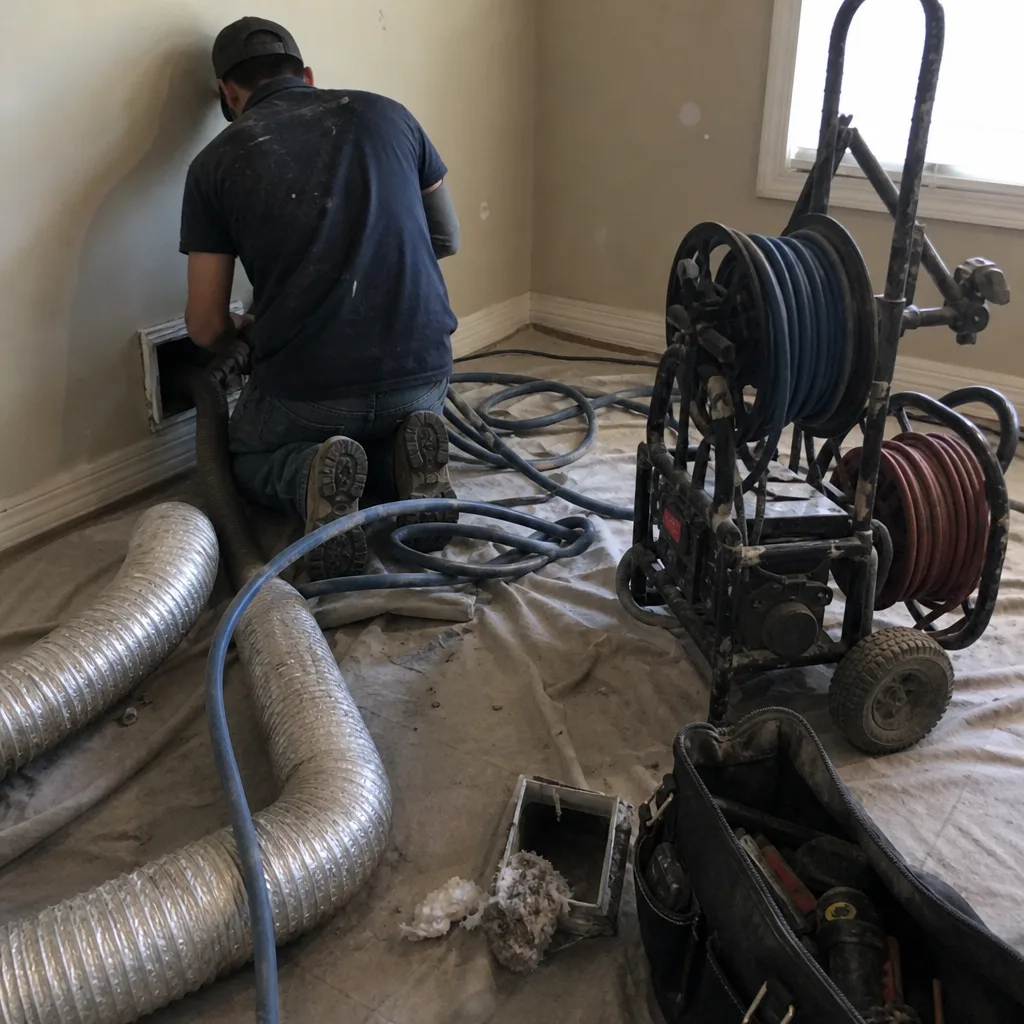 Before
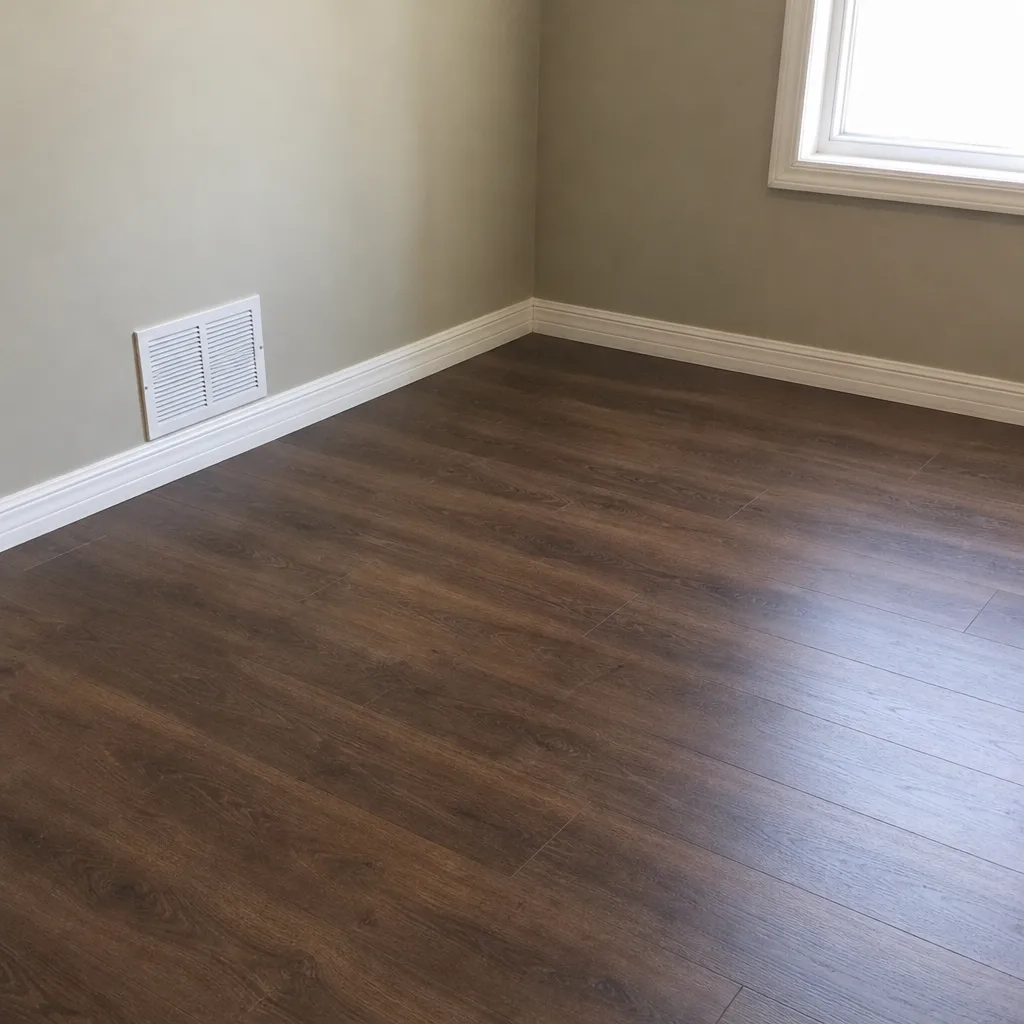 After
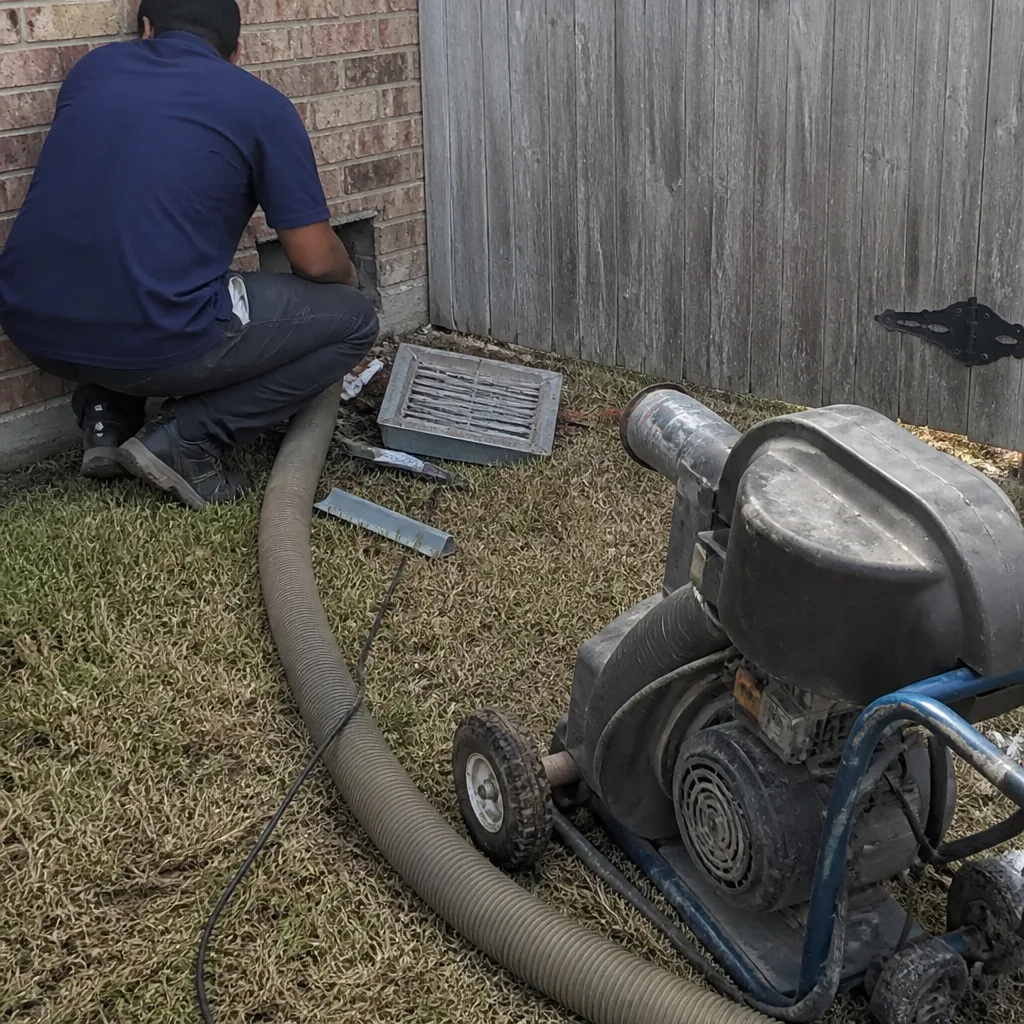 Before
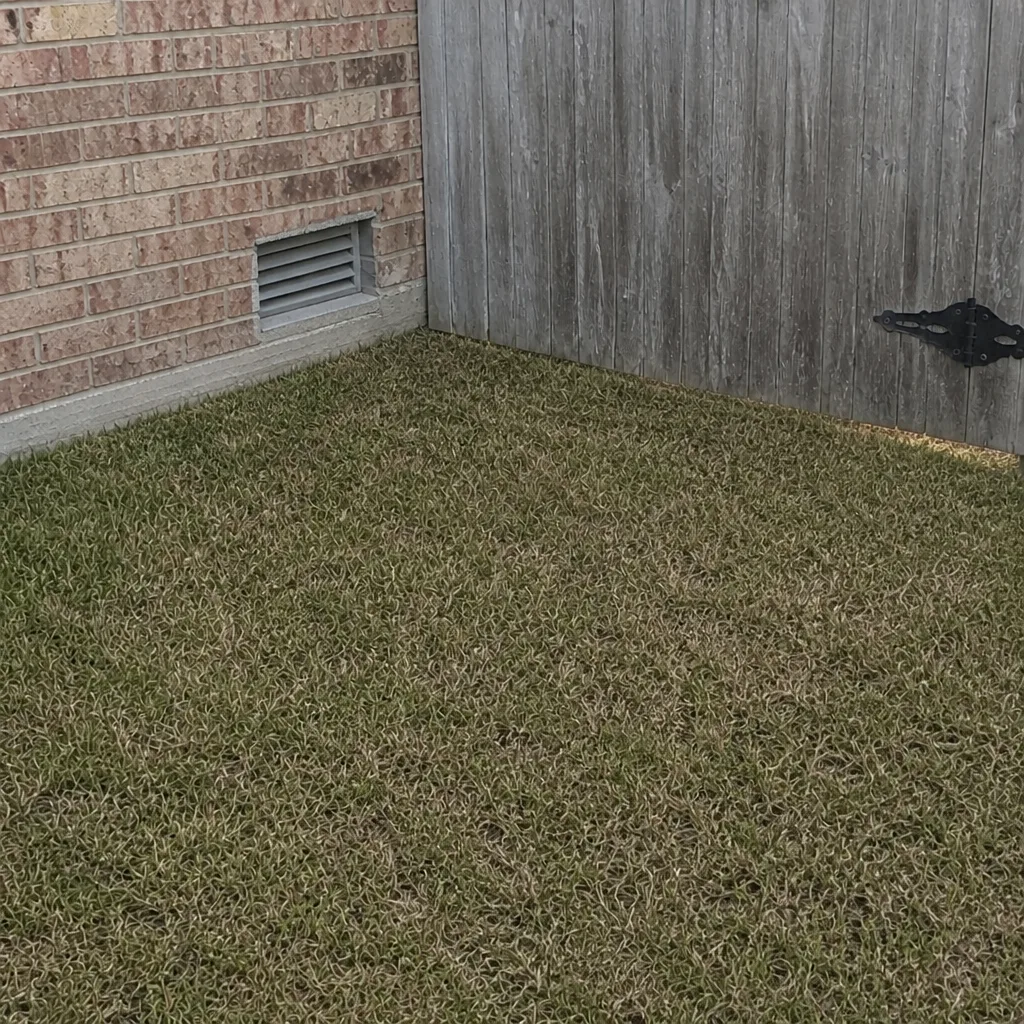 After
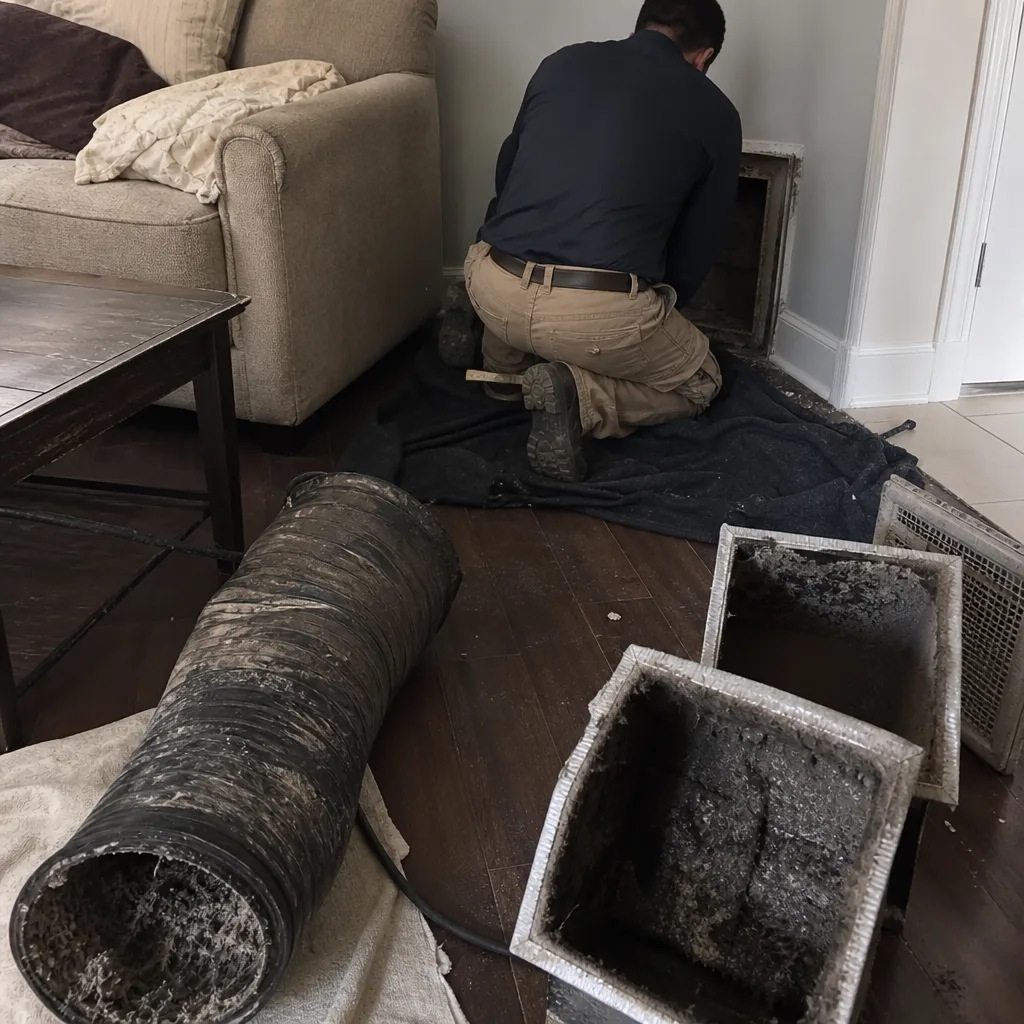 Before
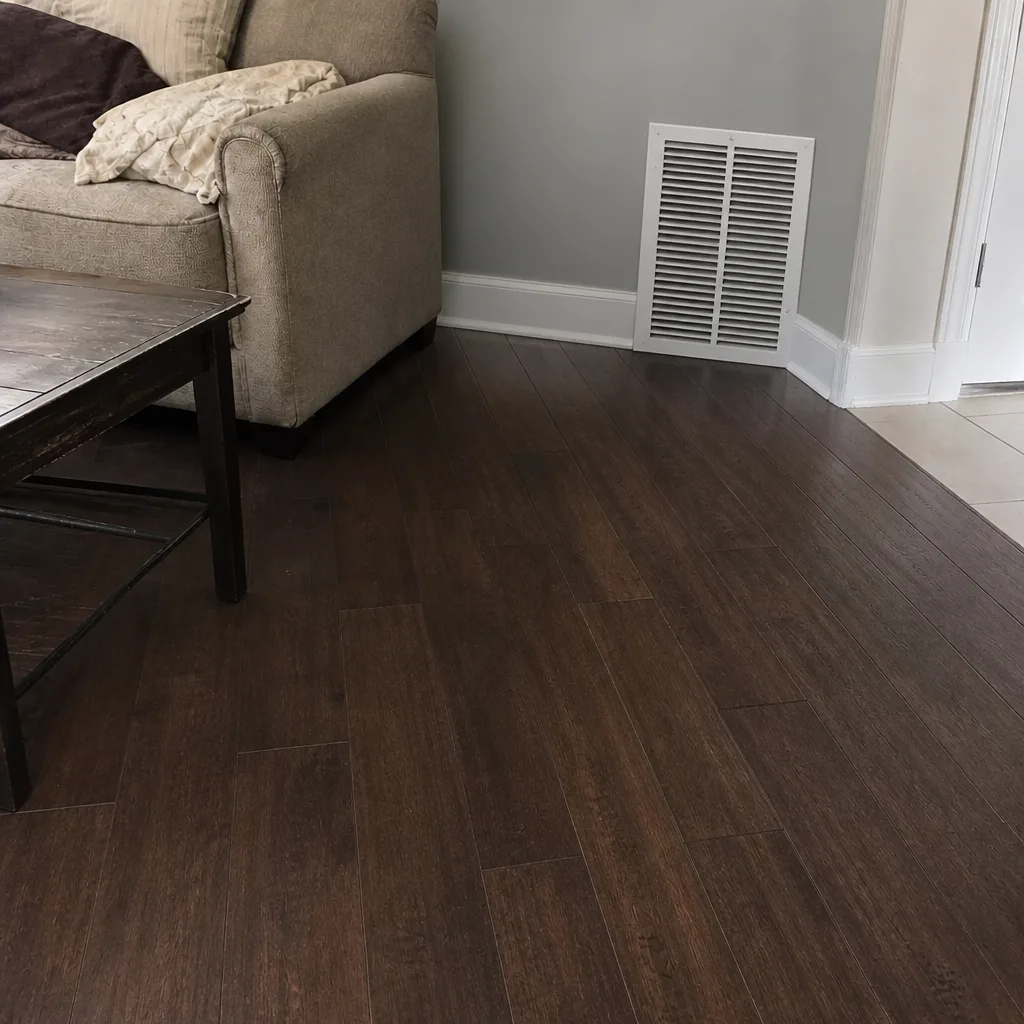 After
When to Call a Professional
You should call a professional when your own inspection turns up something you can’t or shouldn’t fix yourself – a visible disconnect at a takeoff, a crushed flex run, dark staining at a boot collar, or liner that has come loose. You should also call if every vent is weak and the tissue test doesn’t isolate a clear duct cause, since that pattern usually needs equipment to diagnose. If you’ve done the flashcheck, matched your symptom to the chart above, and still aren’t sure, that’s exactly the moment to call and describe what you’ve found.
Duct Cleaning McKinney offers free estimates in McKinney. Call (866) 361-7225. We answer 24/7. Fast dispatch from 7am to 7pm, Sunday through Friday. Our technicians have up to 13 years of experience, we use professional-grade Rotobrush, Nikro, and Abatement Technologies equipment, and we offer air duct repair alongside cleaning so a discovery mid-job doesn’t turn into a hand-off. The written estimate sets the price before any work starts.
Frequently Asked Questions
The cost runs per job, not per vent, and the written estimate sets the final price. Whole-system pricing depends on how many runs are involved, whether the system has more than one air handler, and how much repair work is needed alongside cleaning. We give a free estimate before any cleaning begins. Call (866) 361-7225 for an exact quote – estimates are free.
A cheap quote usually reflects a shopper-grade vacuum with no HEPA capture and no brush agitation, which is why the work rarely changes airflow or odor. In McKinney specifically, caliche dust binds to duct walls, so vacuuming alone leaves the mat in place. Ask what equipment a company will bring, and whether they capture dislodged material with HEPA filtration. If the answer is vague, the quote is probably the whole service.
Ask for before-and-after photos of your own duct interiors, not stock images. Professional equipment produces visible contrast on the duct wall, and a technician using a brush system and HEPA filtration can stop and photograph the progression. We supply before-and-after photos as part of every cleaning. If a company can’t show you the inside of your own ducts, ask why.
Cleaning usually makes sense every two to four years for most McKinney homes, though this depends on filtration habits, pet load, and local construction activity. If your home is new or recently remodeled, schedule a cleaning after the project rather than on the normal interval. If the ducts are sealed and the filter is maintained, the interval stretches. Call (866) 361-7225 for a free estimate and we’ll give you a straight answer on your specific system.
Usually not. Weak airflow in a single room is almost always a duct branch problem – a kink, a disconnect, or a crushed run – not a debris problem. That’s an air duct repair. Cleaning the rest of the system won’t restore that room’s flow. The tissue test isolates this pattern before you book a cleaning.
Abatement Technologies negative-air equipment keeps the duct system under pressure so dislodged material is drawn away from living space rather than into it. It also shows us where a system leaks: when pressure won’t hold on a sealed section, there’s a disconnect or a crack somewhere in the run. It’s the same equipment specified for mold remediation and restoration work, and it’s what lets a diagnosis stay tight.
Musty odor is a moisture signal, not usually a dirt signal alone. In McKinney’s humid summers, supply-side duct surfaces sit at or below dew point, condensation forms, and any dust on the duct wall becomes a substrate for microbial growth. Cleaning removes the substrate, but the moisture source needs to be found and corrected so the odor doesn’t return. If a technician tells you a cleaning alone will fix a musty smell without investigating the moisture, get a second opinion.
The Bottom Line
Duct problems in McKinney follow a pattern, and once you know the pattern you can stop guessing. Weak airflow in one room is a repair. Weak airflow everywhere is a blower or a return obstruction. Musty odor is a moisture signal. Visible dust from the register is a cleaning problem that just hasn’t been addressed. Do the tissue test, pull a register, look for a disconnect, and match your symptom to the list before you pick up a phone. If you find damage at an accessible point or aren’t sure what you’re looking at, a free estimate clears it up. Call (866) 361-7225. We answer 24/7. Fast dispatch from 7am to 7pm, Sunday through Friday. Rotobrush and Nikro handling, Abatement Technologies negative air, and repair capability in the same engagement so a mid-job discovery doesn’t cost you a second contractor.
Written by the team at Duct Cleaning McKinney.