
Last updated November 15, 2026
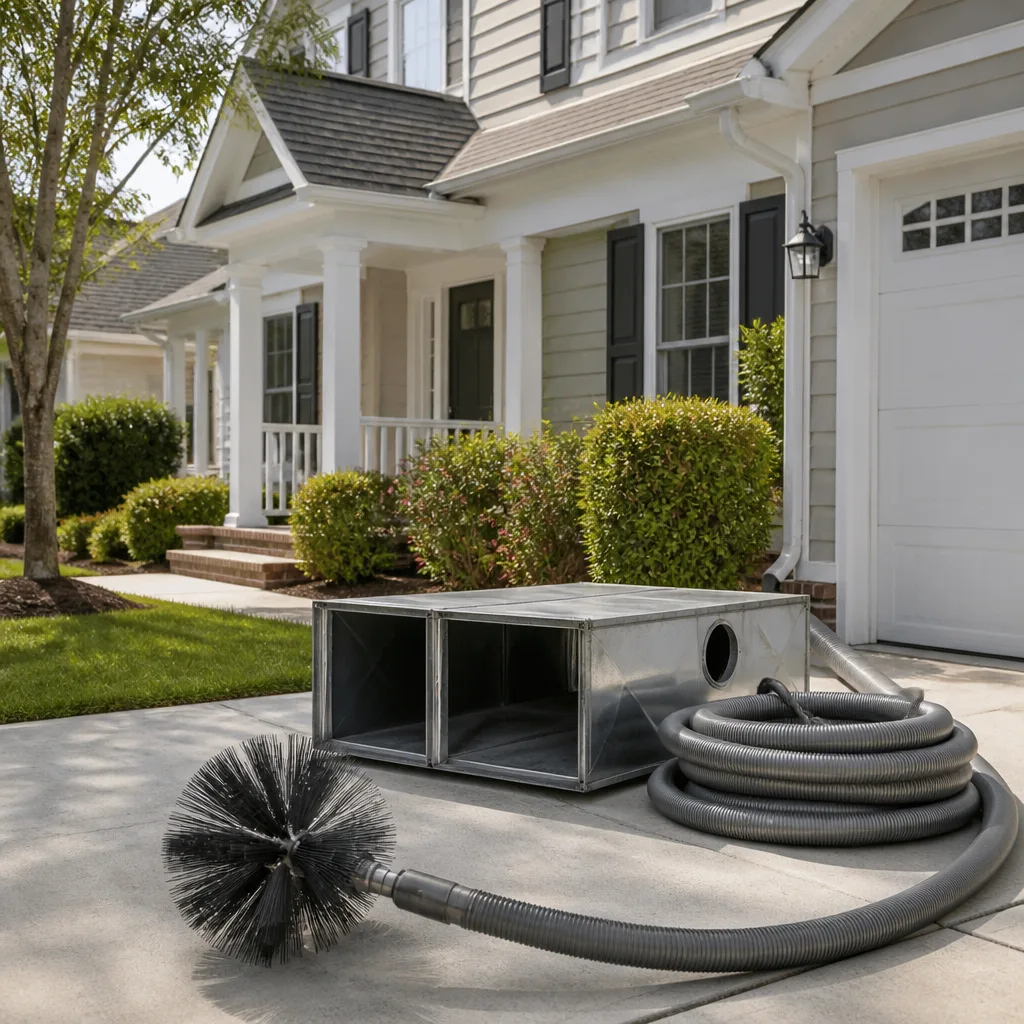 Whole-home duct cleaning
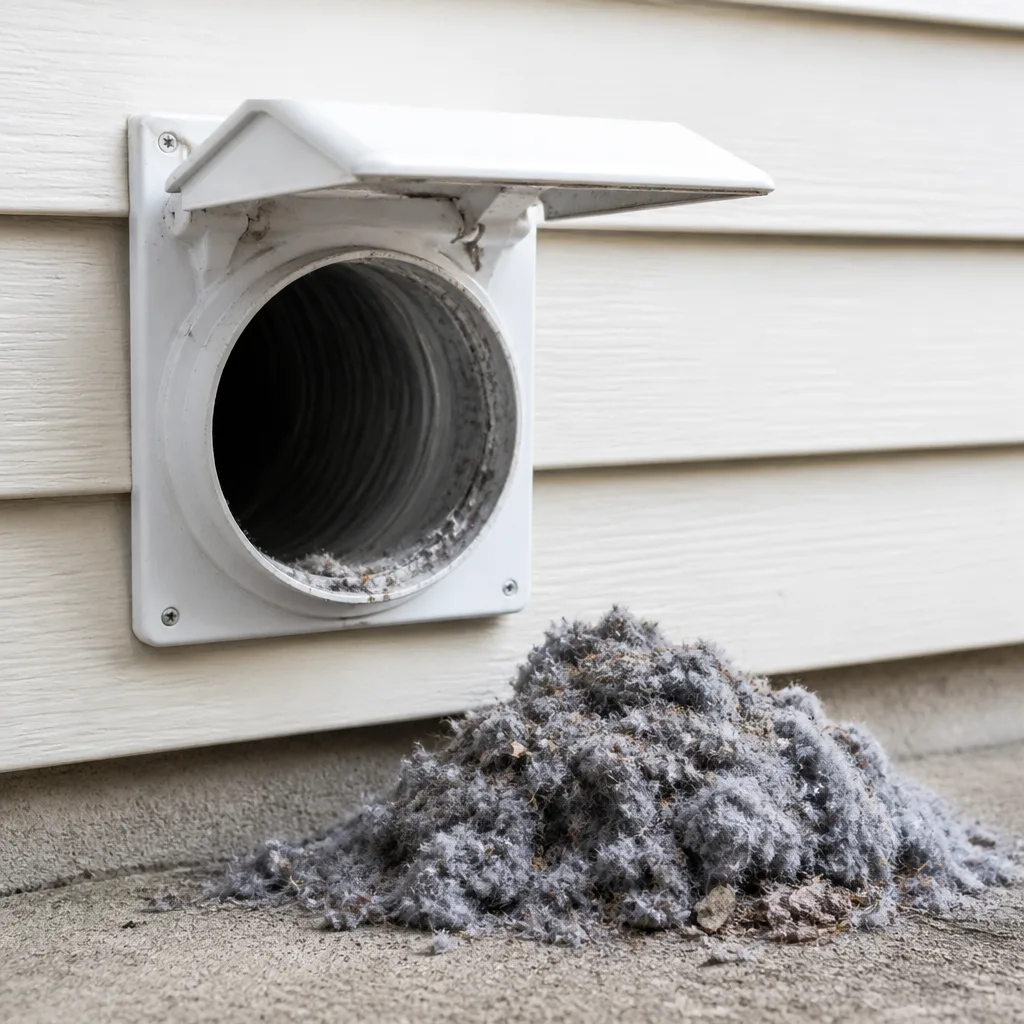 Dryer vent cleaning
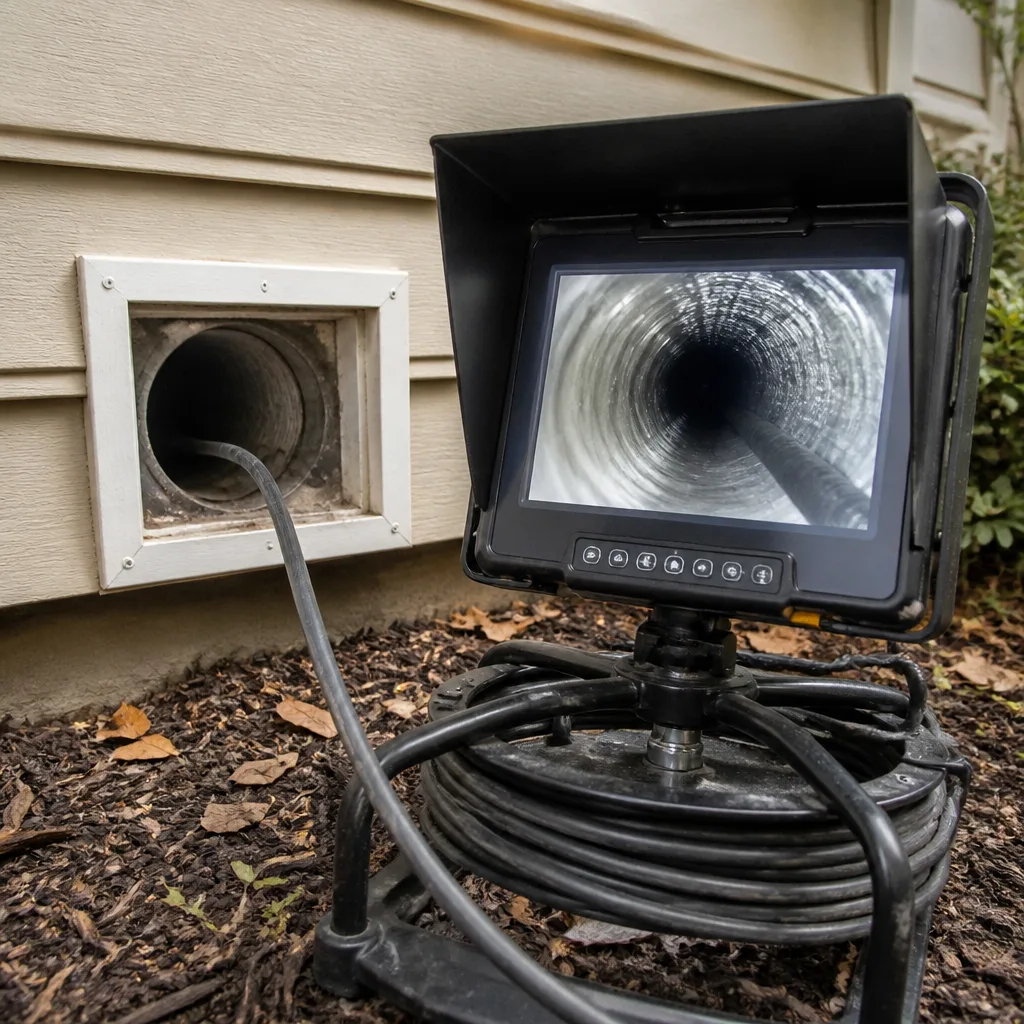 Camera inspection
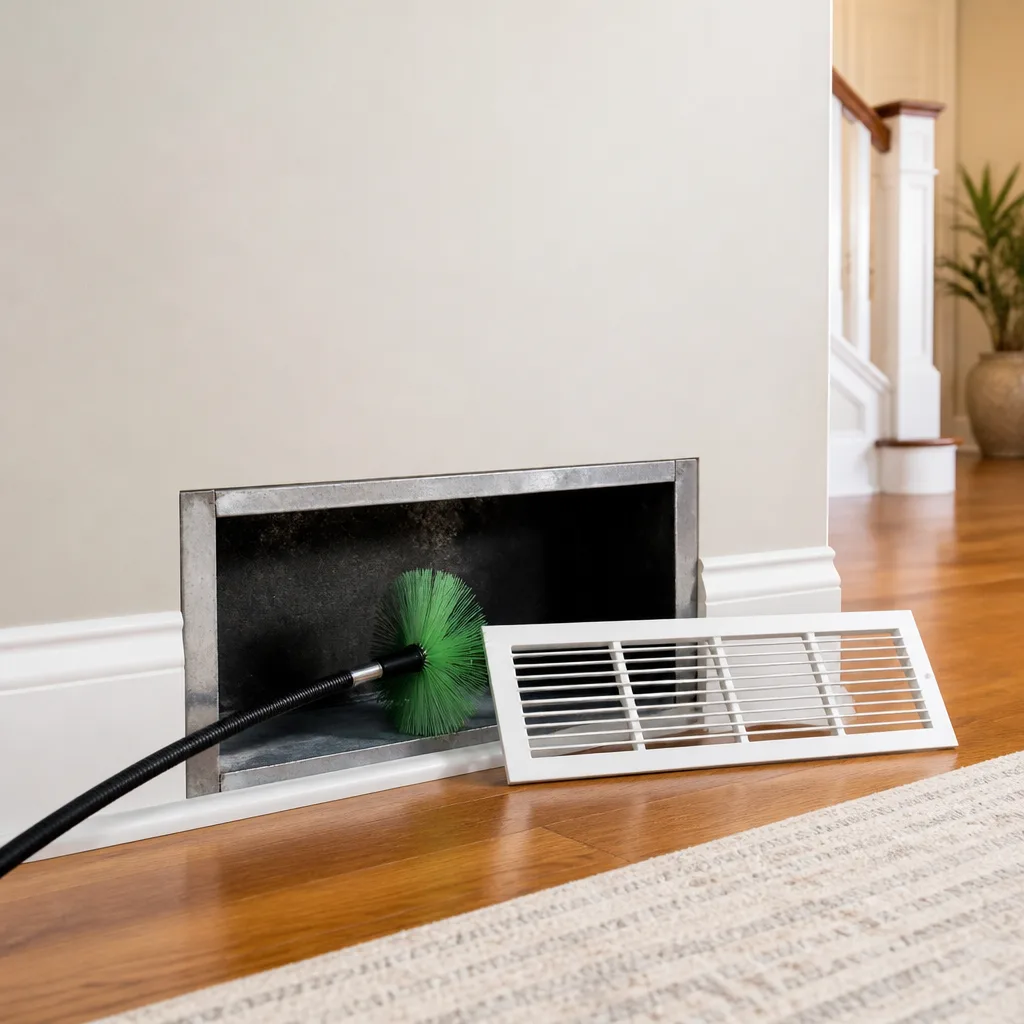 Sanitizing & deodorizing
Whole-system duct and dryer vent check with before-and-after photos - you see exactly what came out of your vents
That "$99 whole-house special" is a bait ad - the real number appears once they are in your hallway, or the "clean" is a shop-vac at the register. We photograph the inside of your ducts before and after instead.
The Complete Guide to Air Duct Cleaning in McKinney
A shop vac and a leaf blower can dislodge debris deeper into your duct system than it was before anyone arrived. That’s the setup a surprising number of McKinney “cleaners” show up with, and it’s the reason so many homeowners here have paid for a cleaning and ended up with a dustier house. Duct cleaning is a mechanical process with real equipment standards behind it, and once you understand the sequence professionals follow, you can tell the difference in five minutes of watching. This guide maps the whole job: what NADCA’s ACR standard actually requires, why negative air pressure comes before any agitation, how source removal differs from surface cleaning, and what a technician should hand you when the work is done.
Quick Answer
Air duct cleaning in McKinney is the mechanical removal of built-up dust, debris, and contaminants from the supply and return ductwork inside your home, done with professional equipment that establishes negative air pressure, agitates the duct walls, and captures the dislodged material through certified filtration. A legitimate job follows a defined sequence from a source-removal standard and finishes with before-and-after documentation of your own ducts. Anything that amounts to vacuuming near the vents for an hour is not duct cleaning, regardless of what the invoice calls it.
Styles & brands we work with
- Whole-home duct cleaning
- Dryer vent cleaning
- Camera inspection
- Sanitizing & deodorizing
Table of Contents
- What Air Duct Cleaning Actually Involves
- What NADCA’s ACR Standard Requires at Each Phase
- Why Negative Air Pressure Comes Before Agitation
- Source Removal vs. Surface-Only Cleaning
- How Rotobrush and Nikro Address North Texas Duct Geometry
- Dryer Vent Cleaning and the Fire Risk Nobody Thinks About
- What You Should Be Handed at the End
- How Often McKinney Homes Actually Need It
What Air Duct Cleaning Actually Involves
Air duct cleaning is a defined mechanical process, not a service you buy by the vent count. It covers the supply side, the return side, the trunk lines, the plenum connections at the air handler, and the register openings themselves. When done to standard, the process removes accumulated particulate from the surfaces the air passes over, so what leaves your house is the debris that was sitting on duct walls, not the debris that was in the carpet.
A typical professional job moves through this sequence:
- Inspect the system: confirm duct material, run length, access points, and any visible damage or disconnection.
- Set up containment and suction at a main trunk access point.
- Establish negative air pressure throughout the ductwork before any brushing begins.
- Agitate every run mechanically, from the trunk out to each register boot.
- Capture dislodged material through certified HEPA filtration and monitor airflow.
- Clean the air handler’s blower and accessible components without disturbing concealed electrical or refrigerant parts.
- Document before-and-after condition, seal access points, and return the system to service.
Notice that the cleaning is sandwiched between setup and documentation. The setup is where the real work is protected, and the documentation is what lets you confirm it happened. In McKinney, where a lot of newer housing stock runs flexible duct through attic spaces, the access work at the trunk is often the most time-consuming part of the job, and it’s the part cheap quotes skip entirely.
What NADCA’s ACR Standard Requires at Each Phase
The NADCA ACR standard (Assessment, Cleaning, and Restoration) is the industry benchmark that defines what a duct cleaning job has to include to count as one. It breaks the work into three phases and treats each as non-optional. Most of the disappointment homeowners describe comes from a job where the assessment phase was skipped outright and the cleaning was partial.
Assessment. Before cleaning, the system has to be evaluated. That means inspecting for contamination levels, checking duct integrity, identifying disconnected or crushed runs, and finding any conditions that put occupants at risk. A technician who walks in, connects a hose, and starts running hasn’t assessed anything.
Cleaning. The standard calls for cleaning the entire system, not just the runs that are easy to reach. It means removing contaminants from all interior duct surfaces using methods that actually contact those surfaces, and it includes the components: blower, coils where accessible, and registers.
Restoration. After cleaning, the system has to be put back into service correctly. Access holes get sealed properly, any damaged sections get addressed, and if the assessment found contamination with health implications, a remediation approach is specified rather than papered over. This is where repair work shows up. A company that can’t seal a hole or reconnect a boot is leaving a job half-finished.
For McKinney homes, the assessment phase is where a lot of real value surfaces. Duct systems in this area often sit in attics exposed to summer heat, and flexible runs can sag, kink, or pull loose at the collar over time. Catching that during assessment is the difference between cleaning a system and cleaning one that’s leaking conditioned air into the attic.
Why Negative Air Pressure Comes Before Agitation
Negative air pressure means the pressure inside the duct is lower than the pressure in your living space, so air flows toward the duct openings instead of away from them. This has to be established before any brushing, blasting, or agitation starts. If it isn’t, dislodged debris goes wherever the air takes it: into the living room, into the return, deeper into a run that wasn’t going to be cleaned anyway.
Establishing it looks unremarkable. A vacuum or negative-air unit connects to a main duct access point and pulls a sustained volume of air out of the system. Once it’s running, every open register pulls room air in toward the duct, and a technician can confirm this with a pressure gauge or by observing the direction of airflow across the openings. That’s the check that separates real work from theater.
How to confirm it’s happening in your own home, without touching anything:
- Watch whether the setup includes a machine connected to the trunk, not just a portable unit plugged in at a single vent.
- Look for a negative-air machine with HEPA filtration on the discharge, so the volume being pulled ends up filtered rather than exhausted into the room.
- Notice whether the technician verifies the setup before brushing begins, or simply starts brushing into an open register.
- Ask which piece of equipment is maintaining the pressure and what filtration it uses. A professional answers this in a sentence.
Abatement Technologies negative-air machines are the same class of equipment specified for mold remediation and disaster restoration, and they belong on a duct cleaning job in McKinney for the same reason: you need to move a lot of air through containment while keeping contaminants out of the occupied space. Once that’s running, the cleaning can actually be a cleaning.
Source Removal vs. Surface-Only Cleaning
Source removal means pulling the debris off the duct surface and out of the building. Surface-only cleaning means grazing the parts you can see and calling it done. The difference matters because duct contamination accumulates on the walls of the runs, not in the middle of the airflow. Dust cakes onto the interior surface; dirt holds at the seams and elbows; the trunk lines collect what the whole system delivers to them.
On a surface-only job, a technician vacuums around the registers, maybe wipes a return grille, and leaves. That doesn’t touch the material bonded to the duct walls a few feet in. What makes source removal work is the pairing of two steps:
- Mechanical agitation breaks the bond between the debris and the duct surface. Rotobrush brush-agitation systems are built for exactly this, with brushes sized for the duct geometry they’re running through.
- HEPA capture collects what the agitation frees, at the source, through certified filtration. Nikro HEPA vacuuming traps the particulates during extraction instead of letting them recirculate into the home.
One step without the other is a compromise. Agitate without capture and you aerosolize a mess into the house. Capture without agitation and you pull the loose dust off and leave everything stuck to the walls. The two-step sequence is the whole job, and it’s the simplest thing to verify as a homeowner: do you see agitation equipment going into the runs, and do you see HEPA filtration on the extraction side?
How Rotobrush and Nikro Address North Texas Duct Geometry
McKinney homes generally run one of two duct systems: rigid metal or flex duct, and a lot of the newer construction uses flex runs stretching through a hot attic to reach rooms on the far side of the house. Flex duct has ridges on the interior wall, and debris collects at every ridge. It’s also more prone to sagging, kinking, and coming loose at the connection to the collar, especially after a season or two of thermal expansion and contraction.
That geometry is why brush-based agitation matters here. A smooth rigid run tolerates a straightforward pass with a contact-level cleaning head. A flex run with internal corrugation needs brushes that reach into the ridges without tearing the liner. Rotobrush’s brush agitation is designed for that, and it’s the reason the equipment makes a real difference on North Texas builds rather than being a marketing label.
The other piece is the air handling setup. When you’re working on a residential system with multiple long runs, the negative-air machine has to move enough volume to keep the entire duct network under suction while agitation is happening on one branch at a time. Abatement Technologies negative-air equipment is up to that, and it’s a reason a professional crew can clean a whole system safely in one pass through the house.
If the assessment reveals damage during the job, that changes the plan. Flex duct that’s torn or crushed, a disconnected boot, a collapsed run: these need repair, not just cleaning. That’s why we offer air duct cleaning and air duct repair under the same roof, so a compromised run gets fixed rather than flagged and left. The alternative is a homeowner chasing a second contractor while half the system still leaks into the attic.
Dryer Vent Cleaning and the Fire Risk Nobody Thinks About
Dryer vent cleaning is a separate job from duct cleaning and it addresses a leading cause of residential fires. Lint accumulates in the vent line every time the dryer runs, and it doesn’t stay soft. It compacts, and eventually it restricts airflow, which makes the dryer run hotter and longer, which compacts more lint. It’s a predictable cycle and it’s the reason the vent line is worth treating as its own maintenance item rather than an afterthought.
Here in McKinney, the combination of long vent runs in newer two-story homes and the amount of lint a household generates makes this a real consideration. Signs the vent needs attention:
- Clothes take two cycles to dry when they used to take one.
- The dryer feels hot to the touch on the outside of the cabinet.
- The exterior vent flap doesn’t open with obvious airflow when the dryer runs.
- A burning or musty smell in the laundry area.
Dryer vent cleaning is a standalone service, and having it done alongside a duct cleaning means the whole airflow picture of the house gets looked at in one visit. It’s also a service worth scheduling on its own when you notice any of the signs above, because the fix is straightforward and the alternative isn’t. Read more about dryer vent cleaning and what the process covers.
What You Should Be Handed at the End
A finished duct cleaning should end with evidence, and that evidence is what protects you as the homeowner. A shop vac and a smile doesn’t leave a record. A professional process does.
Ask for and expect:
- Before-and-after photos of your own ducts. Not stock images. The trunk access point, the runs cleaned, the register boots. Photos you can see are the cheapest verification available.
- A condition report. What the assessment found, what was cleaned, what was repaired if applicable, and what the technician recommends going forward. It’s a written record of the state of your system.
- Notice of any damage or limitations. If a run couldn’t be fully cleaned or a component needs replacement, that should be on paper, not communicated as a verbal afterthought.
- Confirmation that access points were sealed. Every hole made to reach the ductwork should be closed and sealed before the technician leaves.
One flat price per system, agreed before work starts, is the other thing that belongs on that page. If a quote changes on-site because “your system was worse than expected,” that’s not an estimate, it’s a negotiation, and it’s exactly the pattern homeowners in McKinney report from low-bid cleaners. The written estimate should set the final price.
How Often McKinney Homes Actually Need It
Most homes don’t need duct cleaning on a fixed calendar. Need is driven by conditions, and in the McKinney area a few conditions show up over and over.
Schedule an assessment when:
- You’ve moved into a home where the previous occupants kept pets or smoked, and you don’t have a service record.
- You’ve finished a renovation or remodel. Drywall dust and construction debris get pulled into the return system and settle in the runs.
- You’ve seen visible dust streaking out of registers or a noticeable dust film returning to surfaces shortly after cleaning the house.
- Someone in the household has respiratory sensitivities, and you’re working through what’s contributing.
- You’ve lived in the home for years with no duct service record and no idea of the last cleaning.
- An HVAC inspection flagged contamination, a leak, or crushed or disconnected runs.
In new construction around the fast-growing parts of McKinney and the neighborhoods off the major corridors, the first cleaning often happens a year or two after move-in, once construction dust has cycled through the system. In older homes closer to the historic downtown area, the driver is more often decades of dust accumulation plus duct work that predates current building practices. Neither schedule is universal. A visual assessment answers the question better than any rule of thumb.
Common Mistakes to Avoid
- Buying on the vent count. A per-vent quote tells you nothing about whether the trunk lines get cleaned or whether negative pressure gets established. Whole-system pricing is the only quote that maps to a whole-system job.
- Letting agitation happen before pressure is confirmed. If the technician starts brushing into an open register before the negative-air machine is running, the debris goes into your living space. It’s the single most important thing to watch for.
- Accepting a job with no documentation. No photos means no way to confirm what was actually removed. On a duct job in McKinney, the before-and-after photos are the deliverable as much as the cleaned ducts are.
- Trusting a quote that changes once the technician is inside. The written estimate is supposed to be the price. A low teaser that grows on-site is a sign the original quote wasn’t real.
- Skipping the dryer vent because you’re already spending on the HVAC. The dryer vent is a separate line with a fire-safety dimension. It’s the cheapest safety item in the house to address and the easiest to forget.
- Assuming surface cleaning is enough because the registers look fine. Registers are the last thing in the system and the first thing people examine. The contamination that matters sits on the duct walls behind them.
- Letting a company walk away from damage found during cleaning. A crushed run or disconnected boot needs to be repaired before the system is back in full use. A company that flags it and leaves has done half the job.
See the difference
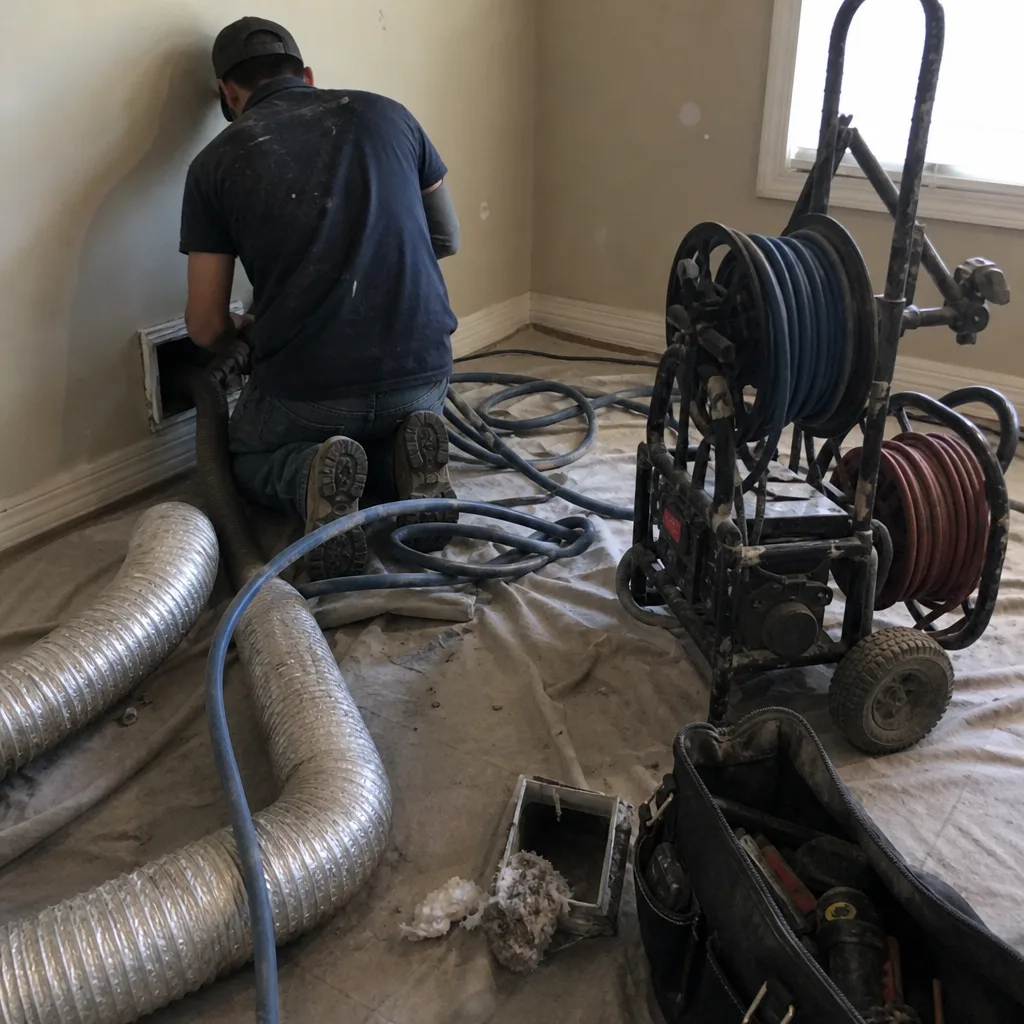 Before
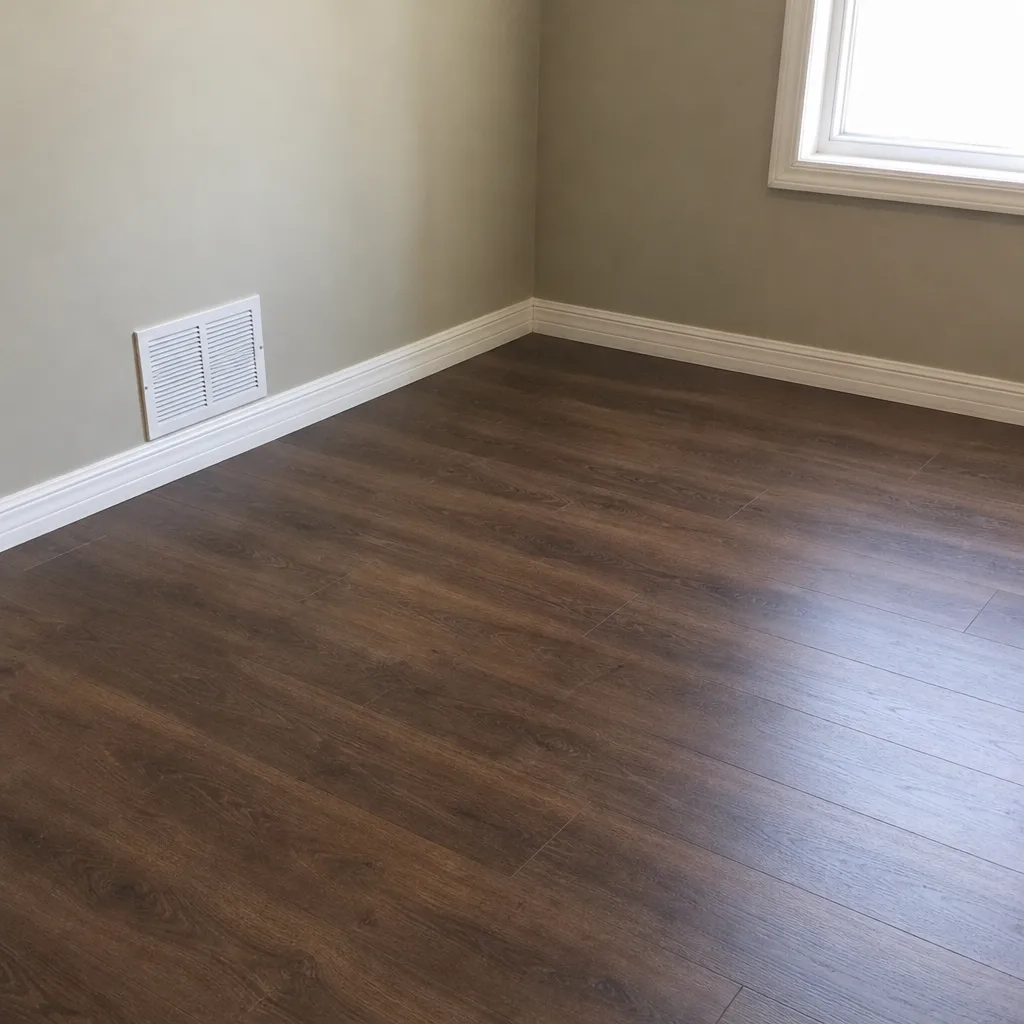 After
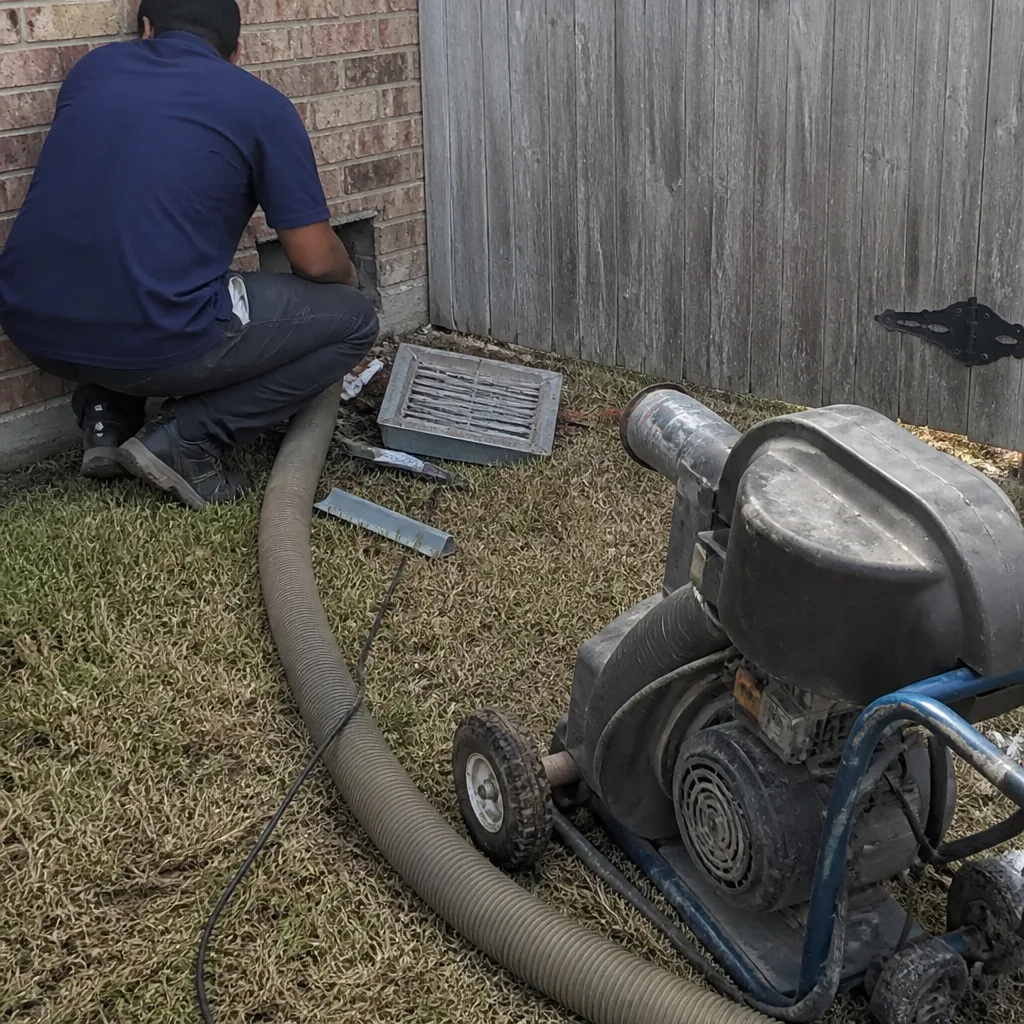 Before
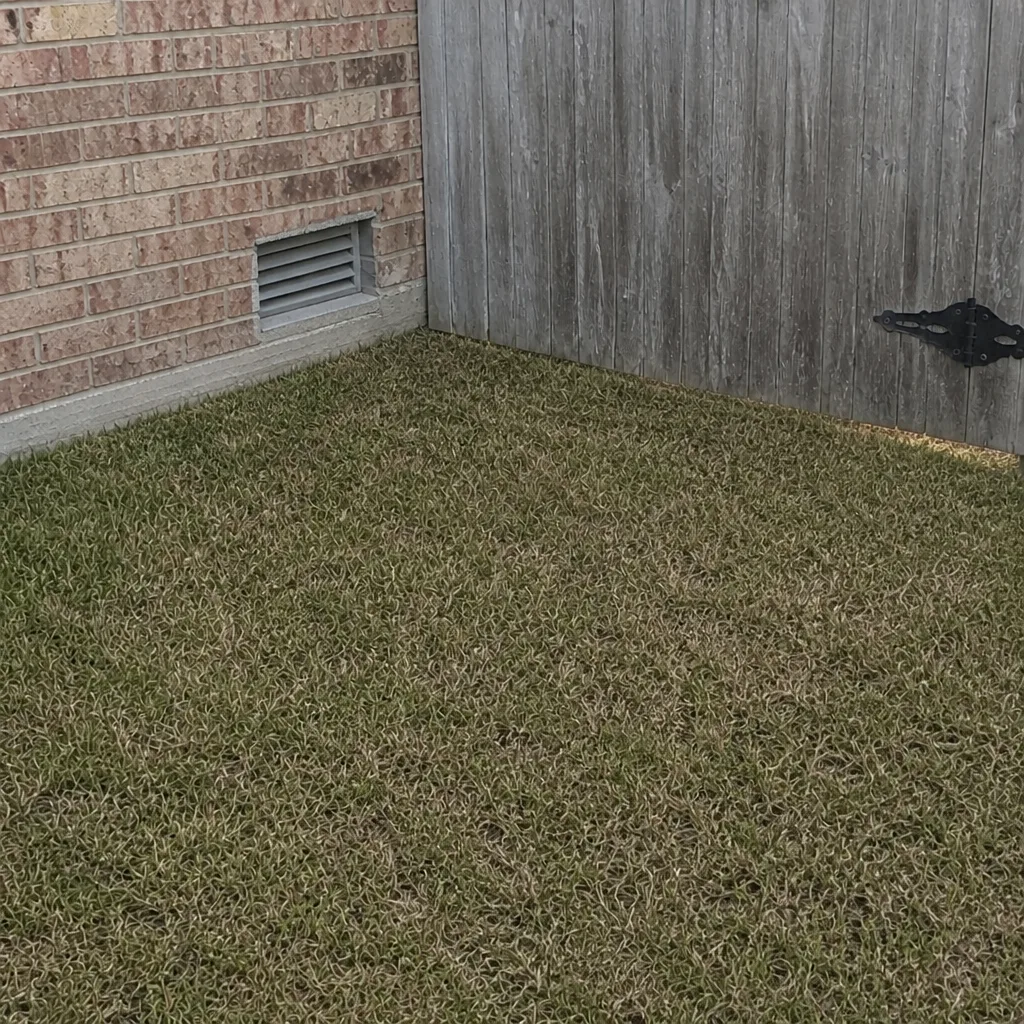 After
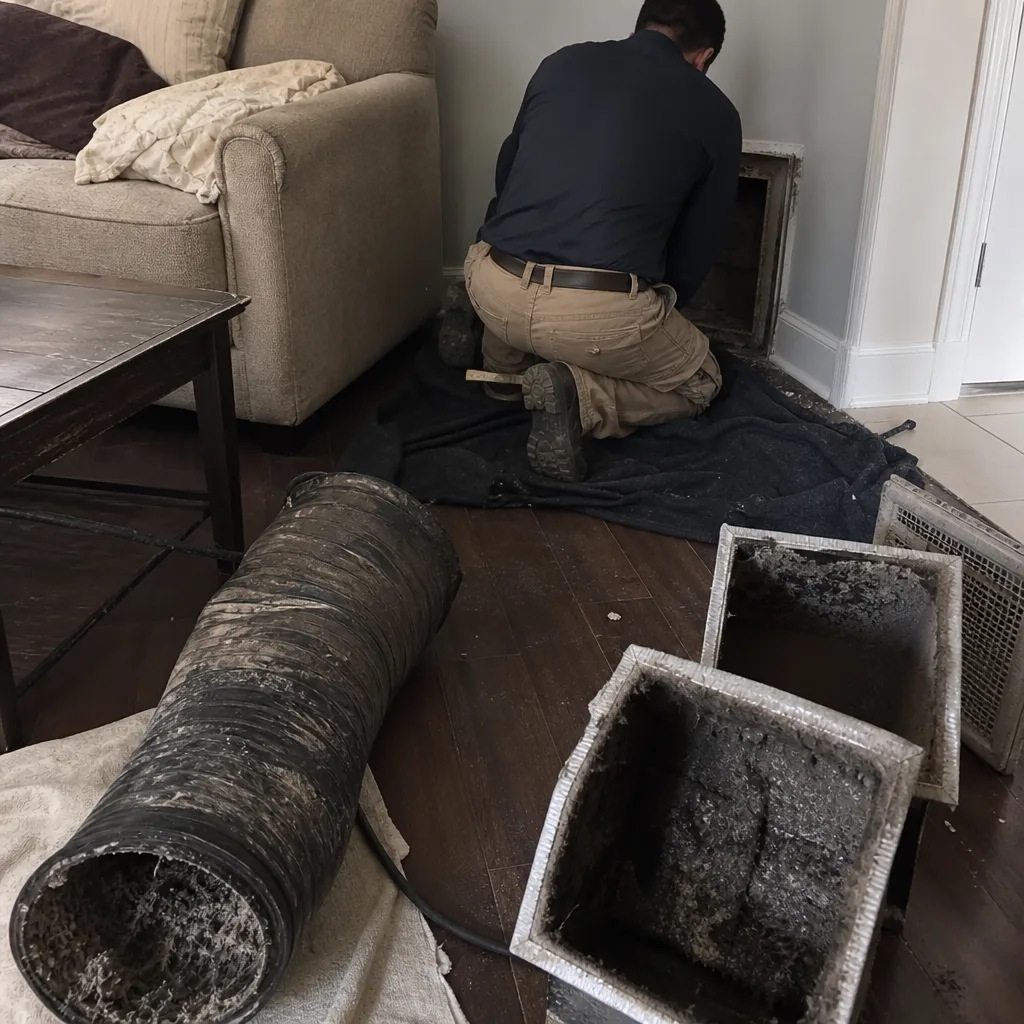 Before
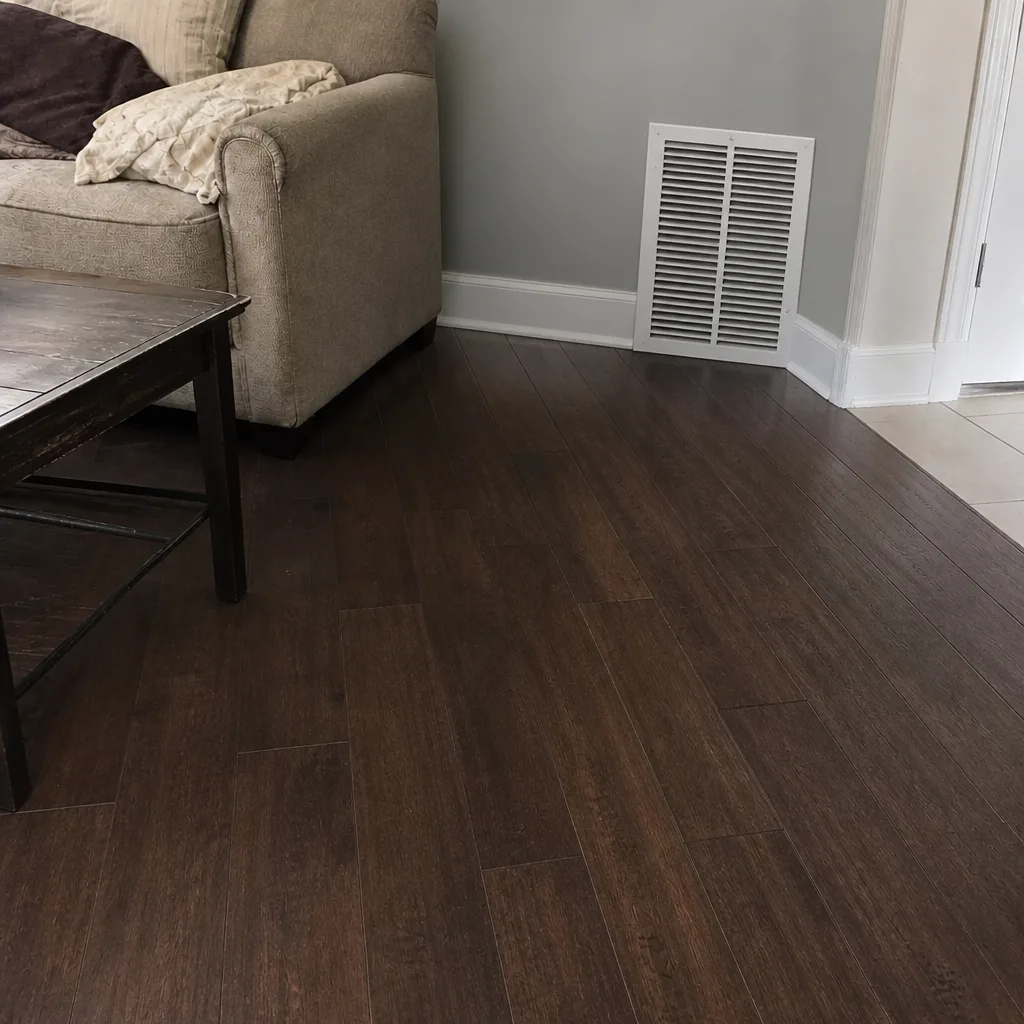 After
When to Call a Professional
Some conditions point clearly to a professional assessment, and they don’t resolve on their own. If visible dust is blowing out of registers when the system runs, if there’s a persistent musty smell that gets worse when the heat or AC comes on, if you’ve just finished a renovation, if you’ve moved into a McKinney home without a service record, or if the dryer is taking noticeably longer to dry a load than it used to, it’s worth having someone look. The same holds if you’ve had an HVAC technician flag contamination, a disconnected run, or duct damage during a routine visit. These are the situations where a proper inspection with professional equipment settles the question quickly. Duct Cleaning McKinney offers free estimates in McKinney – call (866) 361-7225 to schedule an assessment.
Frequently Asked Questions
Whole-system duct cleaning for a typical McKinney home is quoted per system, not per vent, and the price is set by a written estimate after inspection so it reflects the actual condition of the ductwork. The written estimate is what sets the final price, and there are no per-vent add-ons once it’s agreed. Call (866) 361-7225 for an exact quote – estimates are free.
Cheap quotes usually reflect a smaller job: no trunk line cleaning, no negative-air setup, no HEPA capture, and no documentation. A technician with a shop vac and a brush can charge less because the work performed is less, and in some cases it leaves the system dirtier than it started by pushing debris deeper. Call (866) 361-7225 for an estimate that covers the whole system.
You ask for before-and-after photos of your own ducts and a written condition report at the end of the job. Those two documents are the record, and they should show the trunk access point, the runs cleaned, and the register boots, not generic images. Call (866) 361-7225 to have your system inspected and documented.
There’s no universal interval. Need is driven by conditions: a recent renovation, a move-in with no service record, pets, allergy concerns, visible dust from registers, or damage found during an HVAC inspection. A visual assessment is a better guide than a calendar rule. Call (866) 361-7225 to book an inspection.
Yes, dryer vent cleaning is a standalone service, and it matters because lint accumulation in the vent line is a leading cause of residential fires. Longer vent runs, which are common in newer two-story homes, make it more pressing. Call (866) 361-7225 to have the vent line assessed along with the ducts.
It gets repaired rather than left for a second contractor. Crushed runs, torn flex, and disconnected boots are common findings in North Texas attics, and our air duct repair service is done under the same engagement as the cleaning so the system goes back into service whole. Call (866) 361-7225 to have the system evaluated.
The Bottom Line
Duct cleaning in McKinney is a mechanical process with standards behind it, and the difference between a real job and a bad one is visible if you know what to look for. Negative air pressure established before agitation. Mechanical brush agitation paired with HEPA capture. Whole-system pricing, one flat price per system, agreed before work starts. Repair available when the cleaning reveals damage. And a documented finish: before-and-after photos and a condition report you keep. None of that is exotic. It’s the baseline a professional job meets, and it’s the standard worth holding a contractor to. Our technicians have up to 13 years of experience, and we clean ducts with Rotobrush, Nikro, and Abatement Technologies equipment because the standard requires tools that can hold up to it. If you’re ready to have your system evaluated in McKinney, duct cleaning in McKinney starts with a call.
Contact
Call (866) 361-7225 for a free estimate. We answer 24/7. Fast dispatch from 7am to 7pm, Sunday through Friday.
Written by the team at Duct Cleaning McKinney.