
Last updated November 15, 2026
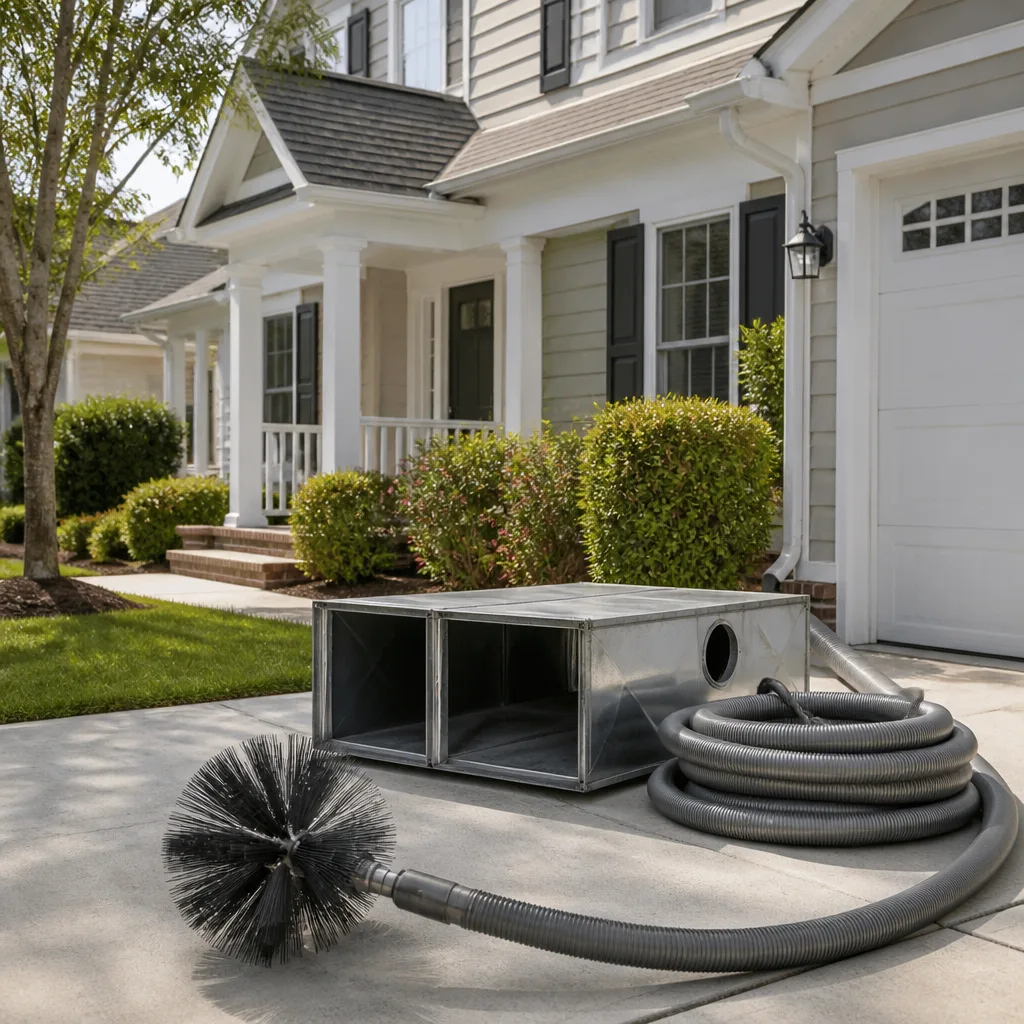 Whole-home duct cleaning
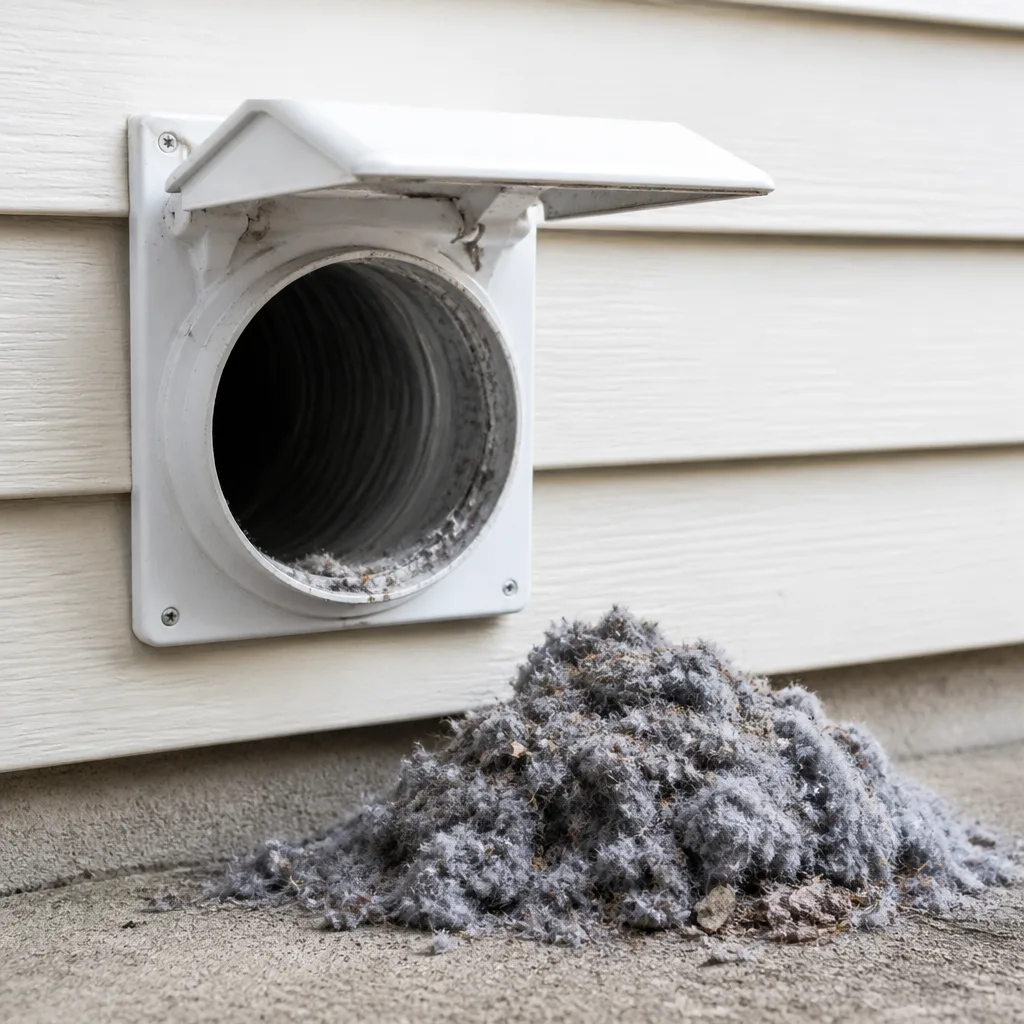 Dryer vent cleaning
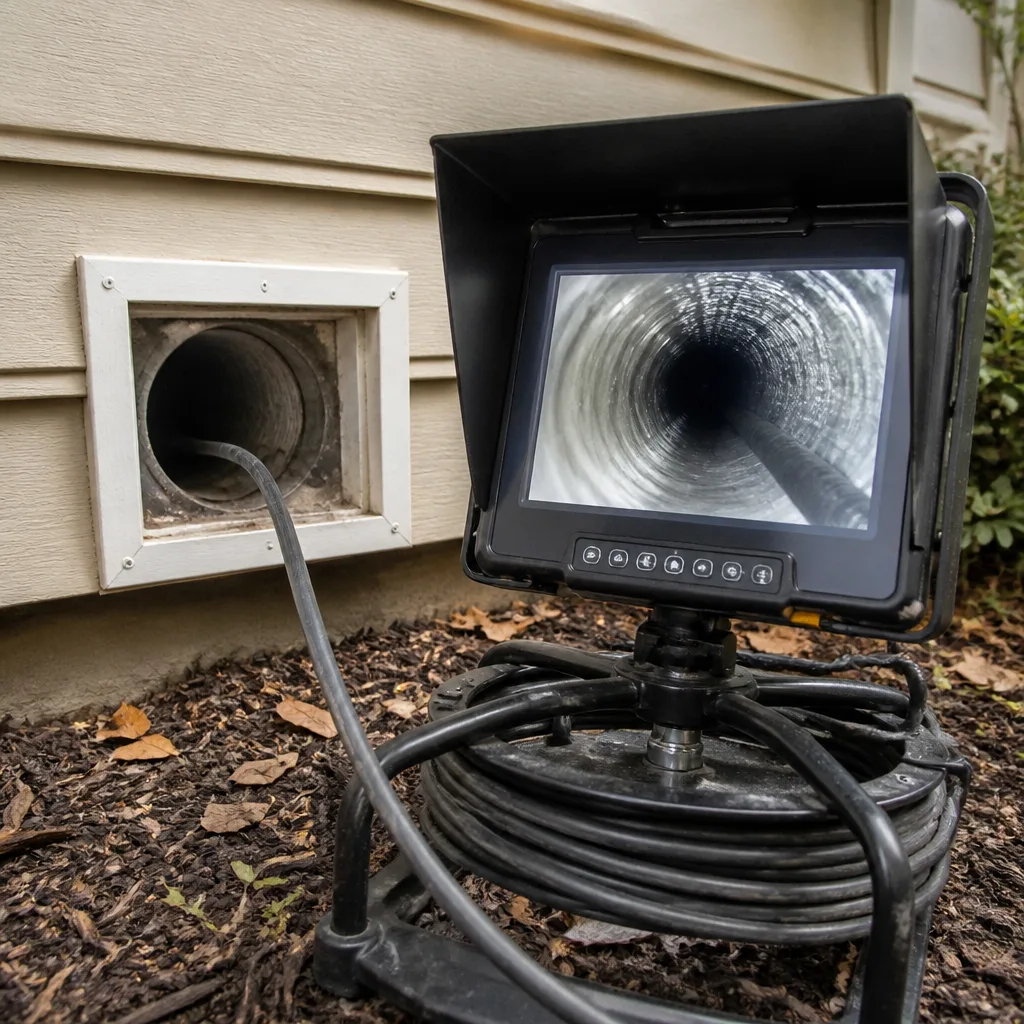 Camera inspection
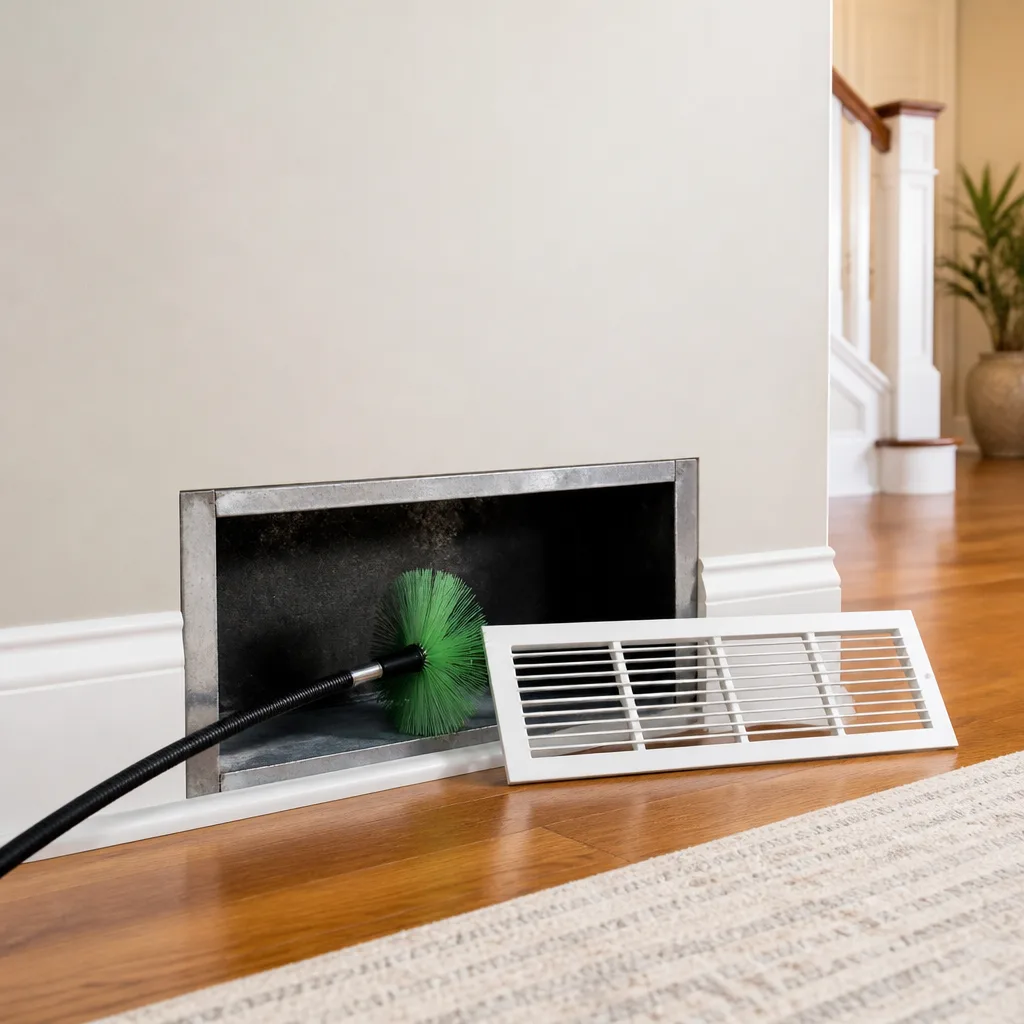 Sanitizing & deodorizing
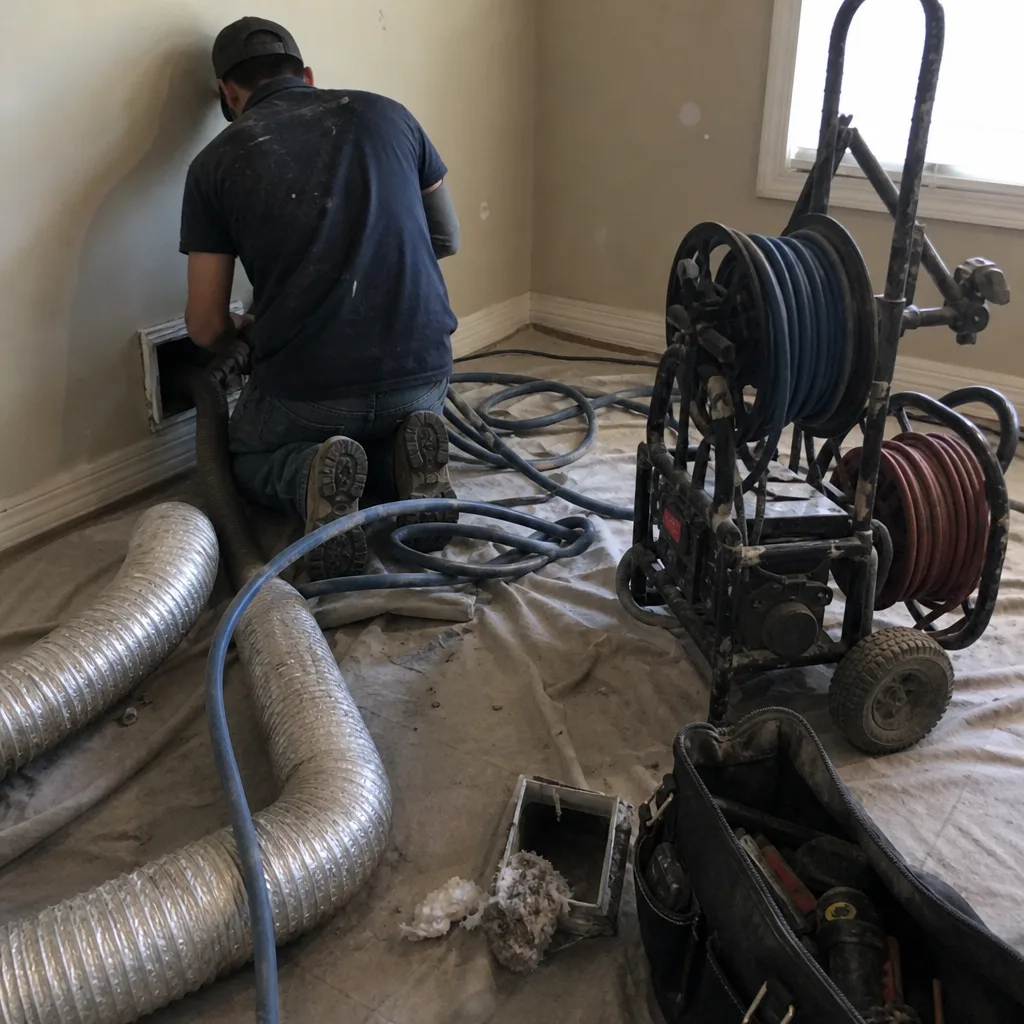
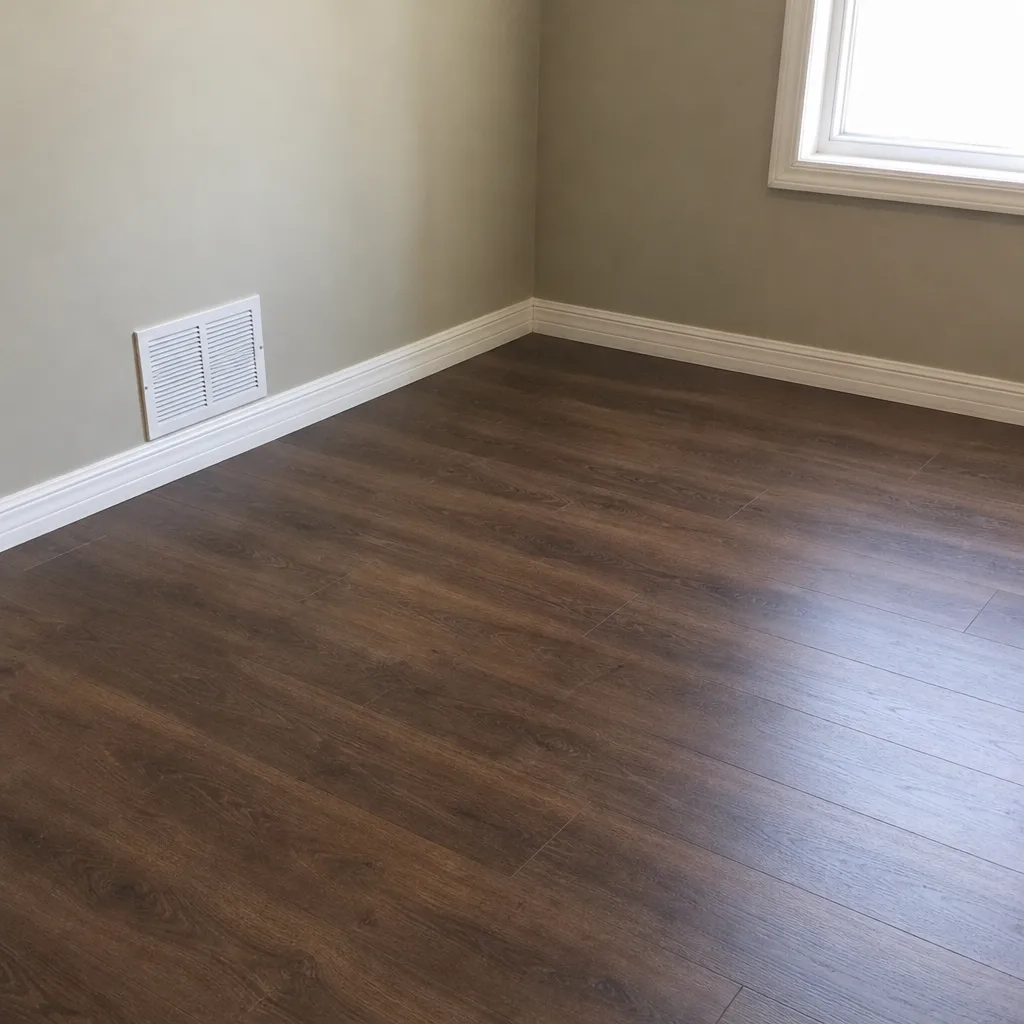
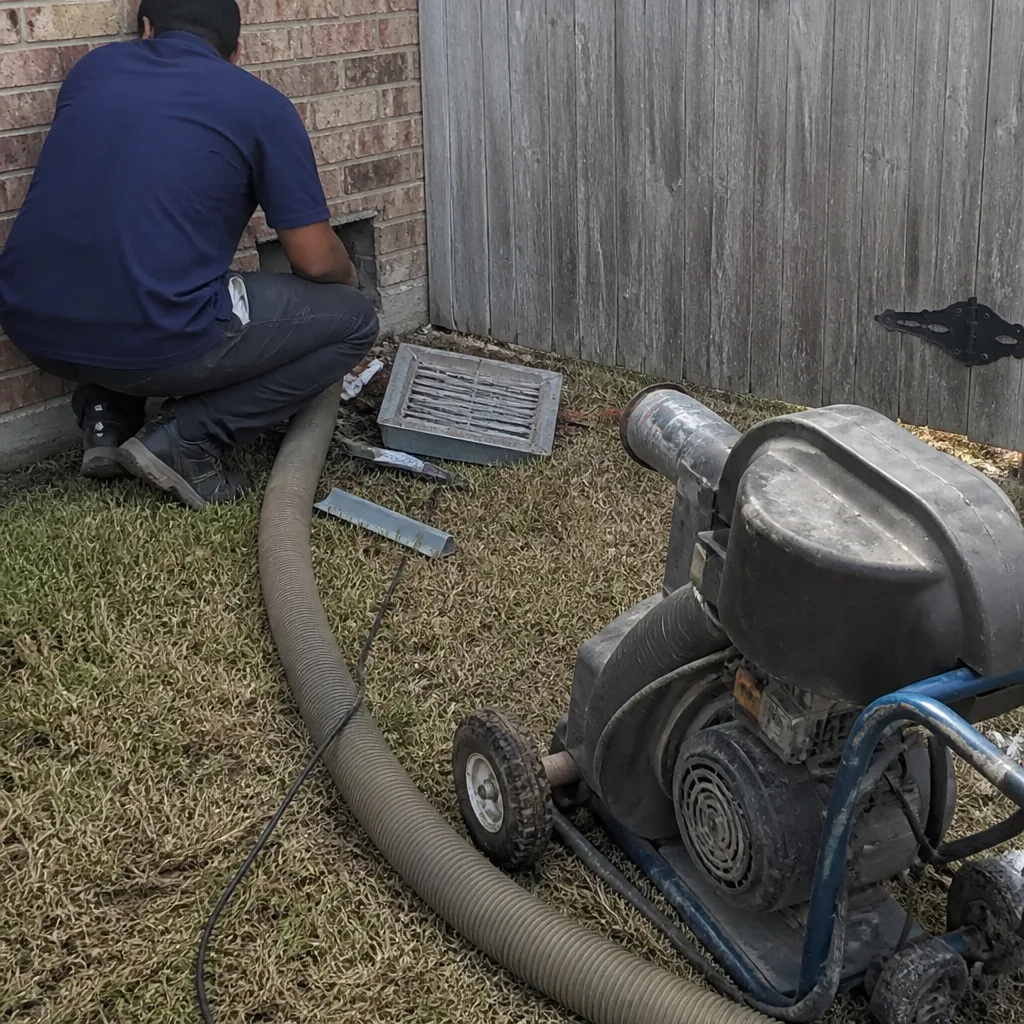
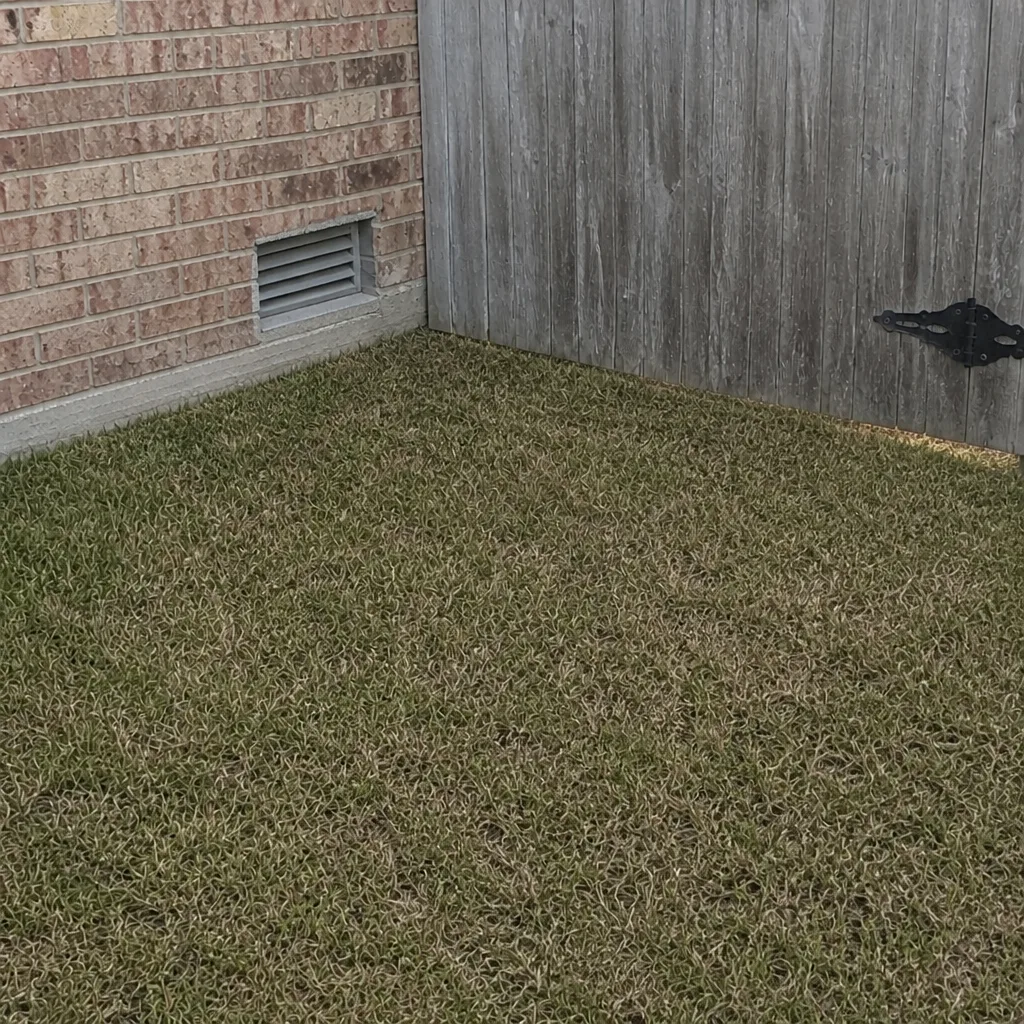
Whole-system duct and dryer vent check with before-and-after photos - you see exactly what came out of your vents
That "$99 whole-house special" is a bait ad - the real number appears once they are in your hallway, or the "clean" is a shop-vac at the register. We photograph the inside of your ducts before and after instead.
Air Duct Cleaning Warning Signs: A McKinney Homeowner’s Reference Guide
A musty smell when the AC kicks on is not an HVAC mechanical problem. It’s almost always a duct or coil contamination problem, and those have different solutions. Misdiagnosing it costs McKinney homeowners money on the wrong service, whether that’s a refrigerant recharge they didn’t need or a coil replacement for a smell that was actually coming from the return plenum. The same confusion runs through complaints about uneven room temperatures, sudden bill spikes, and dust that settles faster than it should. In our experience, most of these have duct-system causes rather than equipment causes. This guide maps the specific warning signs to what they actually indicate, tells you which ones need same-day attention and which can be tracked over a month, and covers how to tell the difference between debris buildup, mold growth, and pest intrusion at the grille.
Quick Answer
If you’re searching for air duct cleaning warning signs in McKinney, the ones that matter most are: a musty smell on startup, visible dust or debris at supply registers, uneven temperatures between rooms, unexplained energy bill spikes during consistent-use months, and visible mold or pest droppings. Smell points to contamination, uneven airflow points to leaks or blockages, and bill spikes with no change in habits point to damaged duct sections. Signs involving smell or suspected mold warrant prompt inspection; signs involving dust and airflow can usually be tracked over 30 days before you act.
Styles & brands we work with
- Whole-home duct cleaning
- Dryer vent cleaning
- Camera inspection
- Sanitizing & deodorizing
Table of Contents
- What Does a Smell on Startup Actually Tell You?
- What Visual Clues Appear at Supply Registers?
- What Uneven Room Temperatures Really Mean
- Why Energy Bills Spike During Consistent Use
- How to Spot Pest Intrusion in Ductwork
- When Mold Growth Requires Immediate Action
- Which Signs Need Immediate Inspection vs. 30-Day Tracking
- How a Professional Duct Inspection Actually Works
What Does a Smell on Startup Actually Tell You?
The type of smell narrows the cause fast. A musty, earthy odor that arrives with the fan and fades after a few minutes is typical of biological growth on the evaporator coil or the damp surfaces of the duct interior. Mold, mildew, and trapped moisture all produce that profile. A dusty, dry, “hot attic” smell is usually debris that has accumulated on the register boots and inside the supply runs, sitting in the heat all day before the system moves air. A sharp or ammonia-tinged smell may point toward pest activity, particularly rodents that have nested in return ducts.
McKinney’s summer humidity runs high enough that a duct system with poor sealing or a slightly oversized evaporator coil can stay damp long after the compressor cycles off. That residual moisture is the reason mold contamination is a fixture of the local landscape, not a rare event. Once it establishes on the coil or the duct lining, cleaning is a different kind of job than the standard debris removal – you’re addressing the moisture source and the growth together.
Three diagnostic questions to narrow the cause before you call:
- Does the smell arrive with the fan or before it? Fan-dependent smell points to duct or coil. Fan-independent smell points to a source inside the conditioned rooms.
- Is it stronger at one register? A single-register smell points to that run or the boot behind it.
- Does it worsen on humid days? Biological growth responds to humidity; dust doesn’t.
Smell is the highest-priority sign in this guide because it’s the one most often misread as a mechanical fault. A McKinney homeowner who calls an HVAC company about a startup musty smell will often be quoted a coil cleaning or even a coil replacement. That may be the correct answer, but it should be confirmed by looking at the coil and the duct interior, not guessed at from the smell alone. When the source turns out to be lining contamination rather than coil, our air duct cleaning team handles it in one visit.
What Visual Clues Appear at Supply Registers?
The register face tells you more about upstream conditions than most people realize. Dust distribution at the grille is a diagnostic, not just a cleaning chore, and the pattern it forms points to different causes.
An even film of fine dust across the entire register face, present on every supply in the house, usually means the filter is past its change interval or the return plenum has a leak drawing attic or garage air. It’s a system-wide filter hygiene problem. A heavier deposit concentrated at the register’s outer edges, with the center relatively clean, points upstream: debris is being pushed through and settling where airflow velocity drops at the boot. A pattern with visible larger particles – drywall dust, wood shavings, insulation flecks – suggests construction or renovation debris that got into the duct during the work and never got cleared.
The filter-versus-ductwork test
Here’s a quick check that separates a filter problem from a duct problem. Remove the filter and hold it up to light. If you can’t see light through it and it’s loaded on one side more than the other, the filter is the issue – change it and re-check the registers in a week. If the filter is relatively clean but the registers keep depositing dust within days of cleaning, the upstream ductwork is holding debris that the air is carrying out. That’s the pattern that points to professional cleaning rather than a filter swap.
Supply registers are the visible edge of a system you can’t see. What matters is that any pattern you can’t resolve by changing the filter deserves a look inside the duct runs, not just at the grille. That’s the point where a McKinney homeowner should either get an inspection or start documenting the pattern for 30 days to see whether it’s worsening.
What Uneven Room Temperatures Really Mean
Uneven temperatures are the most misdiagnosed duct symptom in McKinney, because the instinct is to blame the AC. In larger McKinney homes – the two-story builds common in Stonebridge Ranch, for example – a bedroom that runs three or four degrees warmer than the living room is often a duct problem, not a sizing problem. System sizing is calculated for the whole envelope; duct layout determines which rooms actually get that capacity. Heat gain through flex duct in a hot attic is a known cause of a single upstairs register delivering air that’s five degrees warmer at the grille than it was at the air handler.
Duct causes for uneven temperatures include:
- Disconnected or slipped joints. A supply run that has popped apart at a takeoff delivers no air to its room and dumps conditioned air into the attic.
- Collapsed or restricted flex duct. A run that has kinked or been walked over in the attic moves far less air than the register needs.
- Loose dampers. A partially-closed balancing damper left in the wrong position starves a room with no other cause.
- Return-side imbalance. A room with a supply but a restricted return will build pressure and get less supply air than it should.
This is where duct repair and duct cleaning diverge. Cleaning removes debris; repair addresses the physical faults. If the primary symptom is a room that never gets comfortable and the register has strong airflow to a warm room, it’s likely a leak or heat-gain issue. If the room is comfortable but the register is weak in flow, you’re looking at a restriction. Both warrant inspection, but for different reasons. Our team handles the repair work directly, so you don’t get handed off to a second contractor when a cleaning visit turns up disconnected ductwork.
Why Energy Bills Spike During Consistent Use
A bill spike means something changed. Temporary spikes are normal during a heat wave or a week of heavy hosting. A spike in energy bills that persists through a period where the AC runtime is similar to the previous month – same number of people, same thermostat setting, same weather – is the signal worth paying attention to. If the system runs longer for the same comfort, either the equipment has degraded or the duct system is delivering less air than it used to.
Common duct-related causes of persistent bill creep:
- Disconnected duct sections. A joint that has separated in the attic means the air handler moves a large volume of conditioned air into unconditioned space. The thermostat sees the indoor temperature fall slowly and keeps the compressor running accordingly.
- Collapsed flex runs. A run that has sagged or been crushed is delivering much less air than before; the system compensates with longer runtime.
- Sealing deterioration. Mastic and tape at joints can fail after enough thermal cycling. Small leaks add up, and the effect compounds in summer when the attic is hot and the pressure differential is highest.
- Return-side restrictions. A return path that has been blocked, kinked, or compromised by furniture or an object stored against a grille forces the system into a higher-pressure operating state that cuts efficiency.
The reason this matters in McKinney is straightforward: a typical cooling season here is long, and the runtime hours accumulate. A duct fault that would be a minor annoyance in a short cooling season becomes expensive across a full summer. If the pattern shows up alongside any of the other signs in this guide – dust at registers, a musty smell, a warm room – it’s worth a professional look at the ducts, not just a call to the HVAC contractor.
How to Spot Pest Intrusion in Ductwork
Pest intrusion in ductwork is underdiagnosed for a simple reason: the evidence usually shows up at the grille or the exterior, not where the animal nested. Rodents in attic spaces find their way into duct systems through disconnected joints, damaged boots, or the opening created by a collapsed run. Once inside, they leave droppings, nesting material, and a very characteristic odor. Squirrels and birds can enter through damaged exterior vents – another reason the exterior terminations are part of a proper inspection.
Signs that point to pest activity rather than general debris:
- Droppings or nesting material visible at a register or supply boot. This is the clearest signal and warrants prompt action.
- Sharp, musky, or ammonia-like smell rather than a musty or dusty smell.
- Scratching or movement sounds in the ductwork near the return plenum, particularly overnight.
- Damaged or missing exterior vent covers on the roof or wall where pipes and ducts terminate.
- Bite marks or chewed edges on flex duct or register boots visible in the attic.
Pest activity sits in the “professional inspection now” category in this guide because the material involved matters for the cleaning method and because the entry point has to be repaired before cleaning is worthwhile. Our team uses Nikro HEPA-rated extraction to capture the material during the process rather than moving it into living space, and because we also handle duct repair, we can close the entry point in the same visit. That’s the arrangement that makes sense for a McKinney homeowner who doesn’t want to be the general contractor on their own duct system.
When Mold Growth Requires Immediate Action
Mold growth in ductwork is the one category in this guide where you stop tracking signs and call. Any visible growth on duct lining, on the evaporator coil, or on duct components near the air handler is a prompt-action item. The same applies to a persistent biological smell without visible growth – you can’t see the coil in most residential systems, and that’s where mold most commonly establishes.
What makes mold in ducts a different problem from debris:
- It has a moisture source that must be resolved. Cleaning mold without addressing the moisture will result in growth returning.
- It spreads with airflow. Unlike settled dust, growth emits spores that circulate through the system.
- It’s often on the coil, not just in the ducts. A full inspection includes the air handler and coil, not just the visible runs.
This is where professional-grade equipment is not a marketing line but a working requirement. Rotobrush brush-agitation systems mechanically dislodge growth from duct walls rather than vacuuming over it, and the Nikro HEPA-filtration stage captures the material at the source. For the mold case in particular, we deploy Abatement Technologies negative-air machines – the same equipment specified for mold remediation and professional restoration work. Negative air keeps the working zone under pressure so dislodged material is pulled into the filtration rather than pushed into the house.
If a McKinney homeowner is seeing visible growth on a register or smelling the biological odor that suggests coil contamination, the right next step is an inspection that includes the coil and the air handler, not a cleaning-only quote. Ask what the inspection covers before you book.
Which Signs Need Immediate Inspection vs. 30-Day Tracking
The signs in this guide fall into two clear tiers. Getting the tier right saves you a service call you didn’t need, or gets you one you did before the damage grows. Here’s the split we use when talking through a McKinney homeowner’s situation:
Call now – immediate inspection
- Any visible mold on duct surfaces, registers, or the coil. Address the moisture and the growth together.
- Pest evidence – droppings, nesting material, or a bite-damaged duct section.
- A room that’s lost airflow entirely while other rooms are normal. Suspected disconnected run.
- A persistent biological or chemical smell that didn’t exist a month ago.
- Energy bill spikes that don’t reverse after a thermostat and filter check.
Track over 30 days
- Visible dust at registers after you’ve replaced the filter and cleaned the grille once.
- Mild uneven temperatures between rooms that stay consistent across a month of similar weather.
- A musty smell that appears only intermittently during humid weeks (track the pattern).
- Excess dust in the home – note the level after each cleaning to see if it’s rising.
The tracking tier isn’t about ignoring the sign. It’s about gathering enough pattern data that an inspection is conclusive. Write down the date, the temperature reading by room, the reading on the utility bill, and what the registers look like. If the pattern holds steady for four weeks, that’s worth a visit. If any sign escalates – growth becomes visible, the smell worsens, a room loses air – move to the immediate tier.
How a Professional Duct Inspection Actually Works
Understanding what a real inspection involves protects you from two common outcomes: paying for a service that didn’t happen, and being upsold on cleaning that wasn’t needed. A professional-grade inspection uses camera access to the duct interior and physical inspection of the components an inspection camera can’t reach.
The steps a proper inspection should include:
- Air handler and coil check. Visual inspection of the evaporator coil and drain pan. Mold or standing water here changes the job scope.
- Return plenum and filter check. Look for filter bypass (air moving around rather than through the filter) and any signs of pest or moisture.
- Access and camera inspection of main supply and return runs. Look for separation, collapse, and heavy debris accumulation.
- Register-by-register check. Every boot and grille, not just the visible ones.
- Exterior vent inspection. Confirm vent terminations are intact – this is where pests and moisture enter.
- Blower compartment check. Filth in this compartment is a strong indicator that ducts upstream need attention.
An inspection that doesn’t include the coil and the blower compartment is not a full picture. When we clean a McKinney home, the process uses Rotobrush brush-agitation to dislodge debris from the duct walls, followed by Nikro HEPA-filtration to capture it at the source. Abatement Technologies negative-air machines are set up at the air handler to keep the work zone under negative pressure, which matters more in mold or pest cases than in a routine cleaning. The end result is verifiable: before-and-after photos of the customer’s own ducts, so you can see what was there and what left. That’s the standard we hold to, and it’s the reason our Duct Cleaning McKinney team does not quote per-vent or share teaser coupon figures. One flat price per system, agreed before work starts.
An important local note: because McKinney has both older established neighborhoods and newer construction, the inspection story is different depending on the home. New construction often has construction debris left in the ducts from the build; established homes are more likely to have sealing failures and debris accumulation. The inspection reveals which you’re dealing with, and that determines the cleaning scope.
Common Mistakes to Avoid
- Treating a musty smell as an AC problem. A startup smell almost always traces to the duct or coil. Calling an HVAC contractor without confirming the source often results in a coil-replacement quote for what may be a cleaning and repair job.
- Blaming unequal temperatures on system sizing. In most McKinney homes, the sizing calculation is correct. The problem is usually in the duct delivery – disconnected runs, collapsed sections, or closed dampers – and inspection resolves it in an hour.
- Taking a low coupon price as a starting point. A per-vent or teaser quote that grows after the technician is on site is the industry’s pattern for a reason. Ask for one flat price per system, written down, with before-and-after photos as part of the job.
- Skipping the coil inspection. Cleaning the ducts without checking the coil leaves the primary source of biological odor untouched. Insist on a coil check as part of any cleaning scope.
- Assuming the filter solves everything. A filter catches what reaches it. Debris already settled in the duct interior, leaks in the return plenum, and disconnected supply runs are outside the filter’s reach. Replacement is step one, not the whole answer.
- Hiring a duct cleaning crew that doesn’t offer repair. When a cleaning inspection turns up a disconnected or compressed run, the job is only half done once the cleaning is finished. Choose a team that handles both so you’re not managing another contractor.
- Ignoring exterior vent terminations. Damaged or missing exterior vent covers are the most common entry point for pests, and they cost little to fix. A comprehensive inspection includes them.
See the difference
 Before
 After
 Before
 After
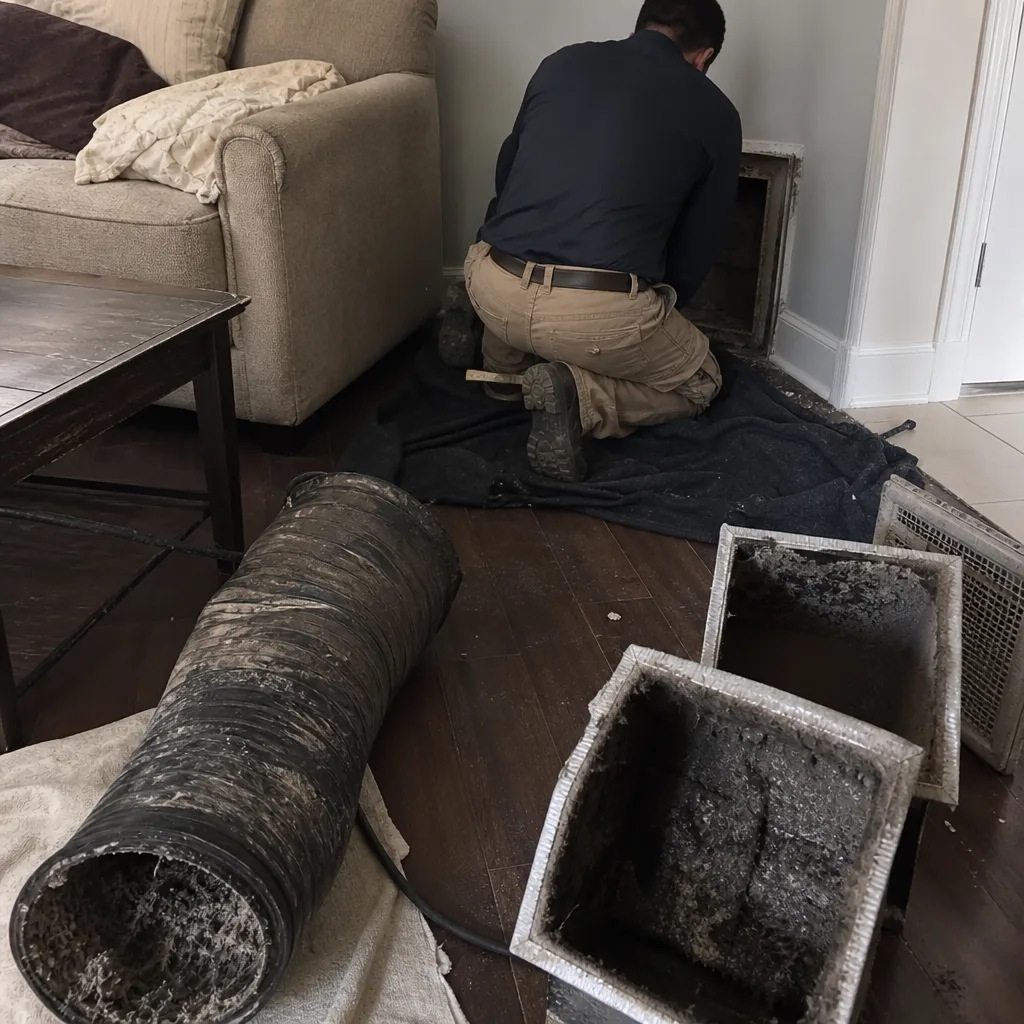 Before
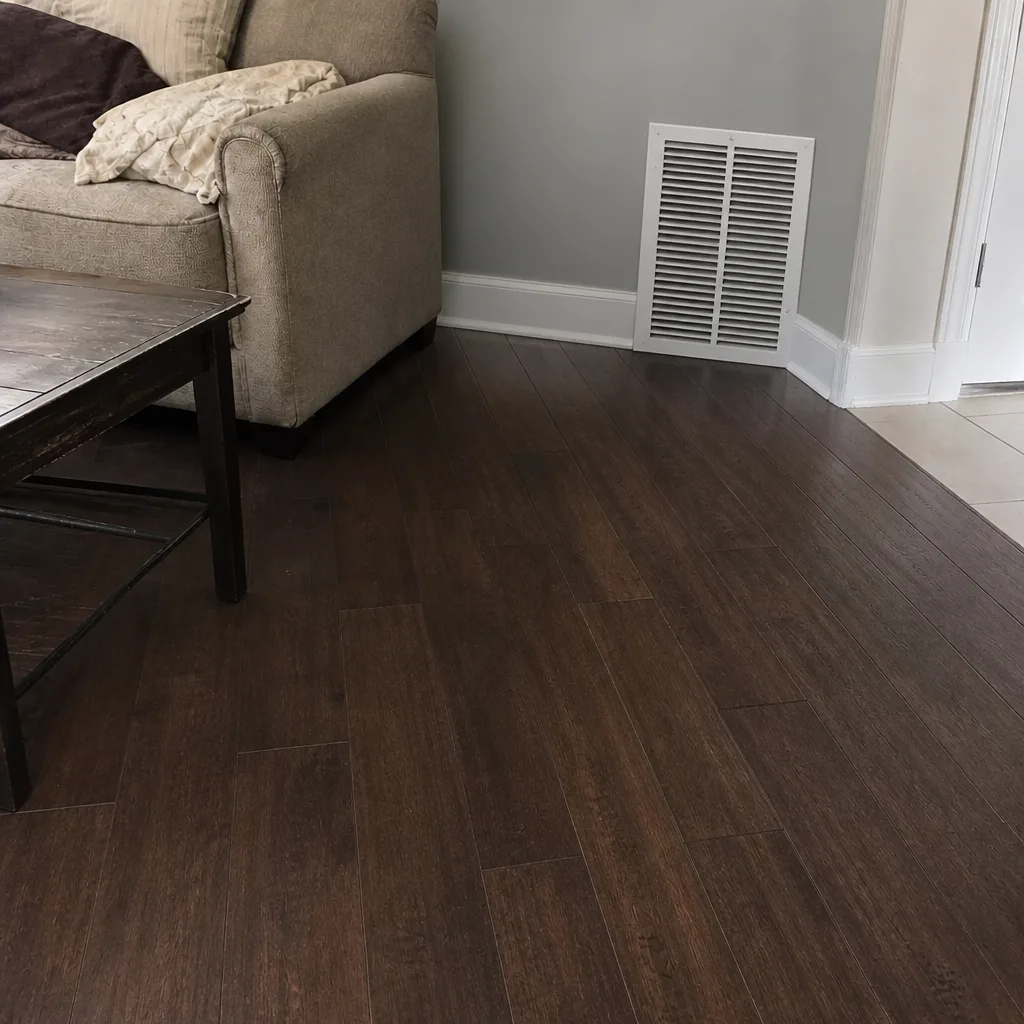 After
When to Call a Professional
Call us when a sign crosses from “curious” to “needs a look.” A persistent musty smell, visible growth at any register, pest evidence, a room that lost airflow, or a bill spike that persists after checking the filter and thermostat are all worth a professional visit. An uneven temperature pattern that holds steady for 30 days is also worth a visit, as is post-renovation cleanup where drywall dust and drywall dust alone has likely entered the ducts. If you’ve already called an HVAC contractor who quoted a repair and the symptom involves smell or dusty registers, getting a duct-side inspection is often the missing step. Duct Cleaning McKinney offers free estimates in McKinney; call (866) 361-7225 to schedule an inspection and a written quote.
Frequently Asked Questions
The most reliable signs are a musty smell on startup, visible dust or heavier deposit patterns at supply registers after a filter change, persistent uneven room temperatures, energy bill spikes during consistent-use months, and visible mold or pest evidence. Smell and visible growth point to contamination. Uneven airflow and bill spikes point to leaks or restrictions. Any one of these justifies an inspection, and two or more together make it a clear call. Call (866) 361-7225 for a free estimate.
It’s a duct or coil problem most of the time, but not always. The most common sources are biological growth on the evaporator coil or duct lining, and accumulated debris on the supply-side surfaces. Fan-dependent smell that arrives when the blower starts is a strong signal. Fan-independent smell points to a source in the rooms. A proper inspection checks the coil and the return plenum before recommending a service, and that’s the step most quoted-over. Call (866) 361-7225 to have it diagnosed correctly.
Smell is the fastest differentiator. Debris smells dry and dusty. Mold smells musty and earthy, and worsens on humid weeks. Pest activity has a sharp or ammonia-like note. Visual evidence at the register narrows it further: gray-brown films of fine particulate point to debris, dark spotting or fuzzy growth points to mold, and droppings or bite marks point to pests. If two or more are present, the job scope widens. Call (866) 361-7225 to get a confirmed diagnosis.
Disconnected, collapsed, or heavily debris-blocked duct sections do drive higher bills, because the system runs longer to reach the thermostat setpoint. Duct debris by itself adds a smaller effect; the larger drivers are physical faults that let conditioned air escape or starve a room. That’s why our dryer vent cleaning service is bookable alongside the inspection – duct-side issues rarely come alone. A bill spike that doesn’t reverse after checking the filter and thermostat is the version worth a professional look.
Visible mold, pest evidence, a room that’s lost airflow entirely, a persistent new smell, and a bill spike that won’t reverse are the immediate-inspection tier. Dust at registers after a filter change, mild uneven temperatures, and an intermittent musty smell are the tracking tier. Track for four weeks with dates and readings, and call if any sign escalates. Call (866) 361-7225 for a free estimate either way.
It should include the air handler and evaporator coil, the filter and return plenum, camera access to the main supply and return runs, a check of every register boot, the blower compartment, and exterior vent terminations. An inspection that skips the coil and blower compartment is incomplete. Our technicians use professional cameras for that, and we report findings with before-and-after photos so you can see what was actually there. We answer 24/7 at (866) 361-7225, and we can book you a free estimate.
If you’re seeing signs that look like mold or pest activity, don’t test whether the situation resolves on its own. If you’re seeing dust and mild airflow issues, note the pattern for four weeks and then act. Either way, the inspection is the step that resolves uncertainty. Call (866) 361-7225. We answer 24/7. Fast dispatch from 7am to 7pm, Sunday through Friday.
The Bottom Line
The warning signs worth caring about fall into two groups: smell and visible growth, which need a call now, and dust and uneven temperatures, which are worth tracking over 30 days. Getting that split right saves McKinney homeowners from paying for an HVAC repair that wasn’t the problem. Our technicians have up to 13 years of experience recognizing the difference between a mechanical fault and a duct contamination issue, and the equipment we bring – Rotobrush agitation, Nikro HEPA extraction, Abatement Technologies negative air – is the difference between cleaning dust off a surface and removing what’s actually holding the problem in place. If you want IAQ upgrade options in the same visit, we install Honeywell and Aprilaire products, including Guardsman filtration components, where they fit. One call covers the full duct system: cleaning, repair, and dryer vent safety. Estimates are free, and the price is set per job by the written estimate before any work begins.
Call (866) 361-7225 for a free estimate. We answer 24/7. Fast dispatch from 7am to 7pm, Sunday through Friday.
Written by the team at Duct Cleaning McKinney.