
Last updated November 15, 2026
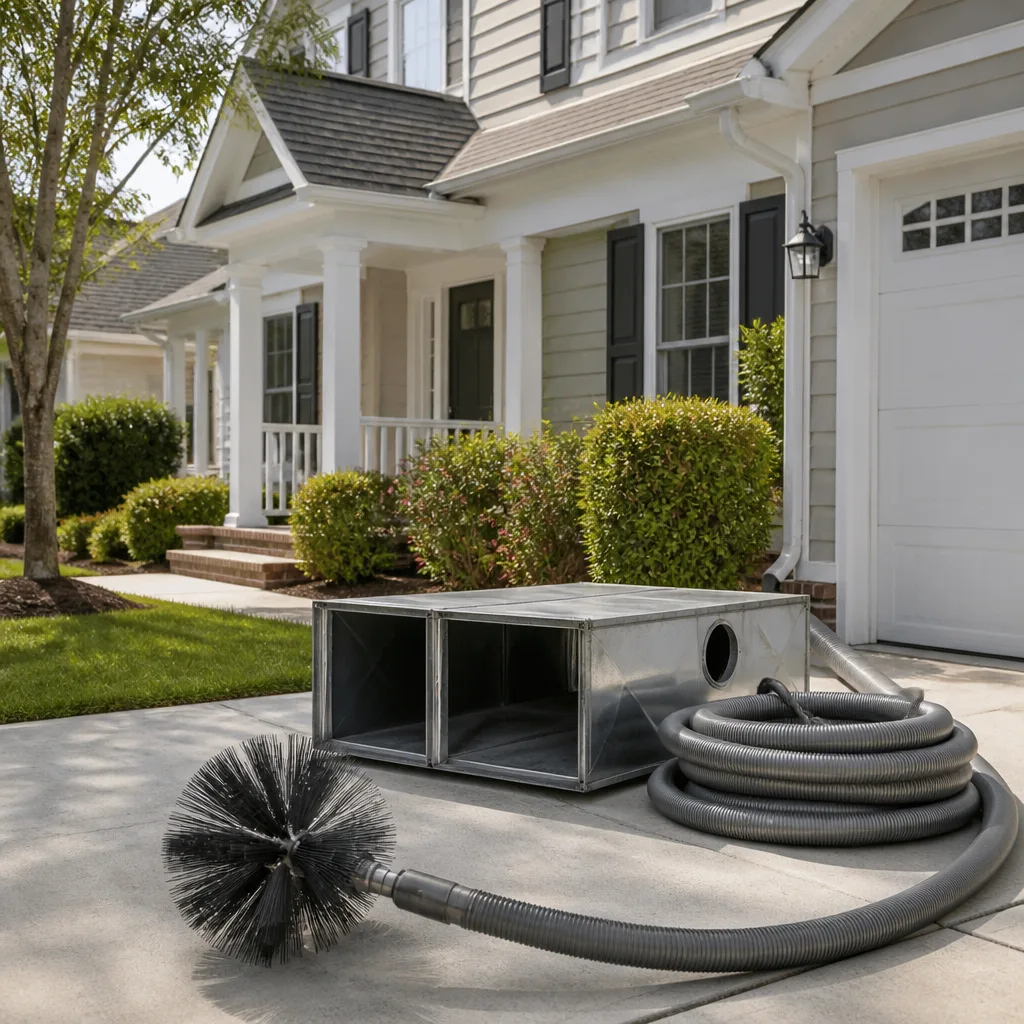 Whole-home duct cleaning
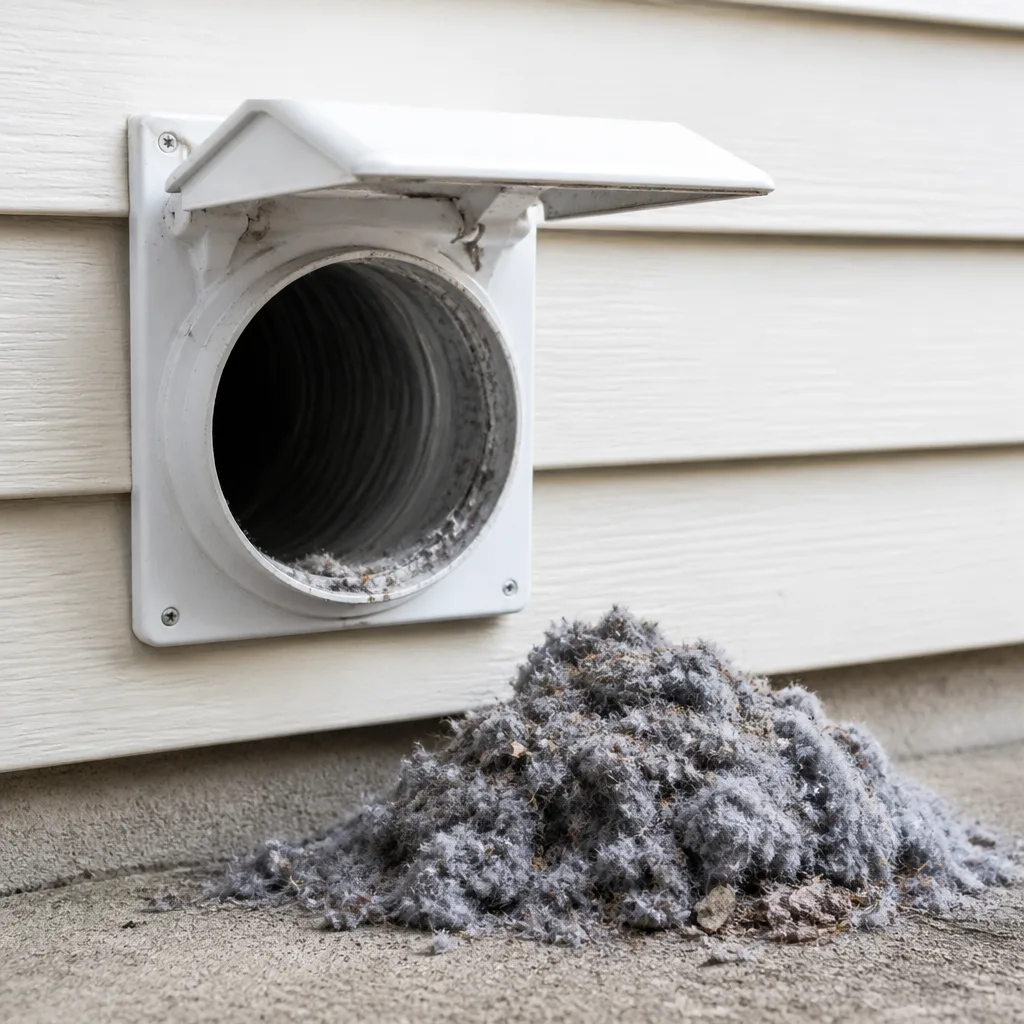 Dryer vent cleaning
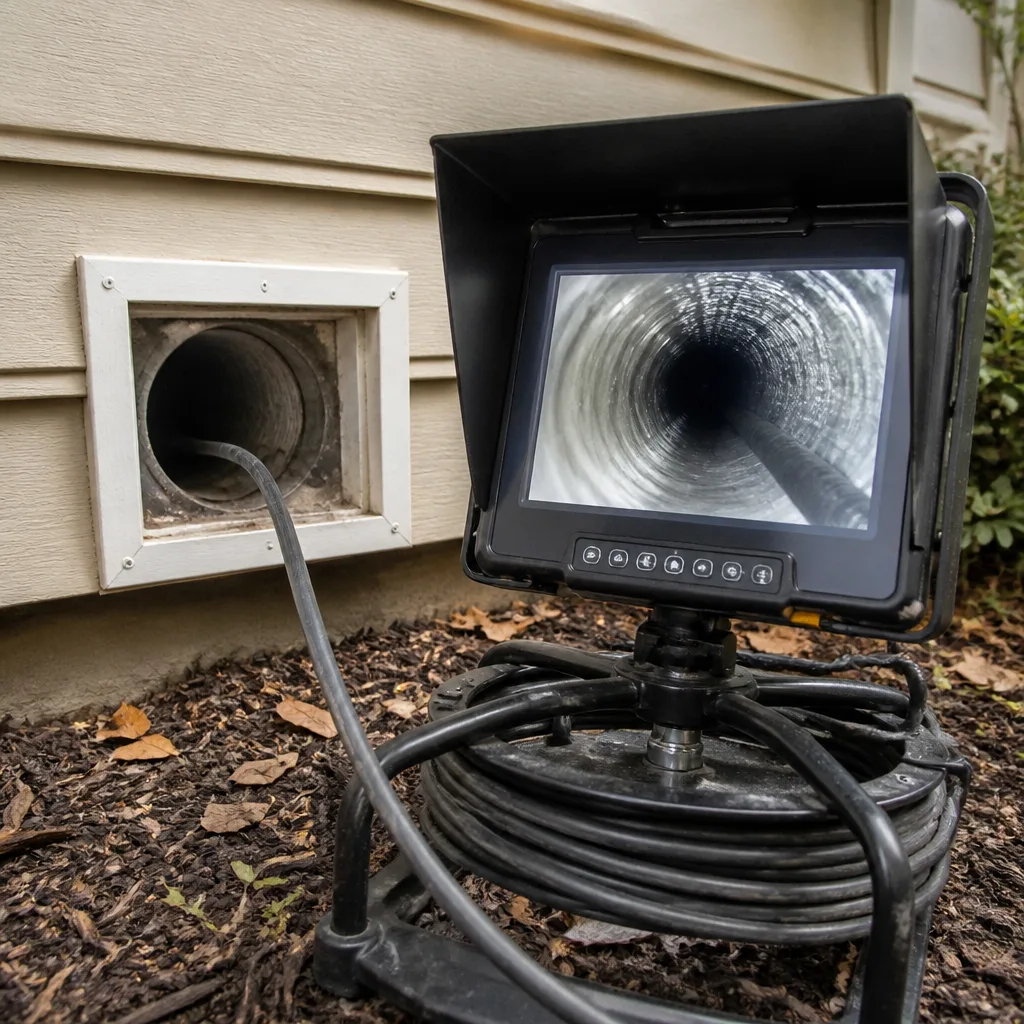 Camera inspection
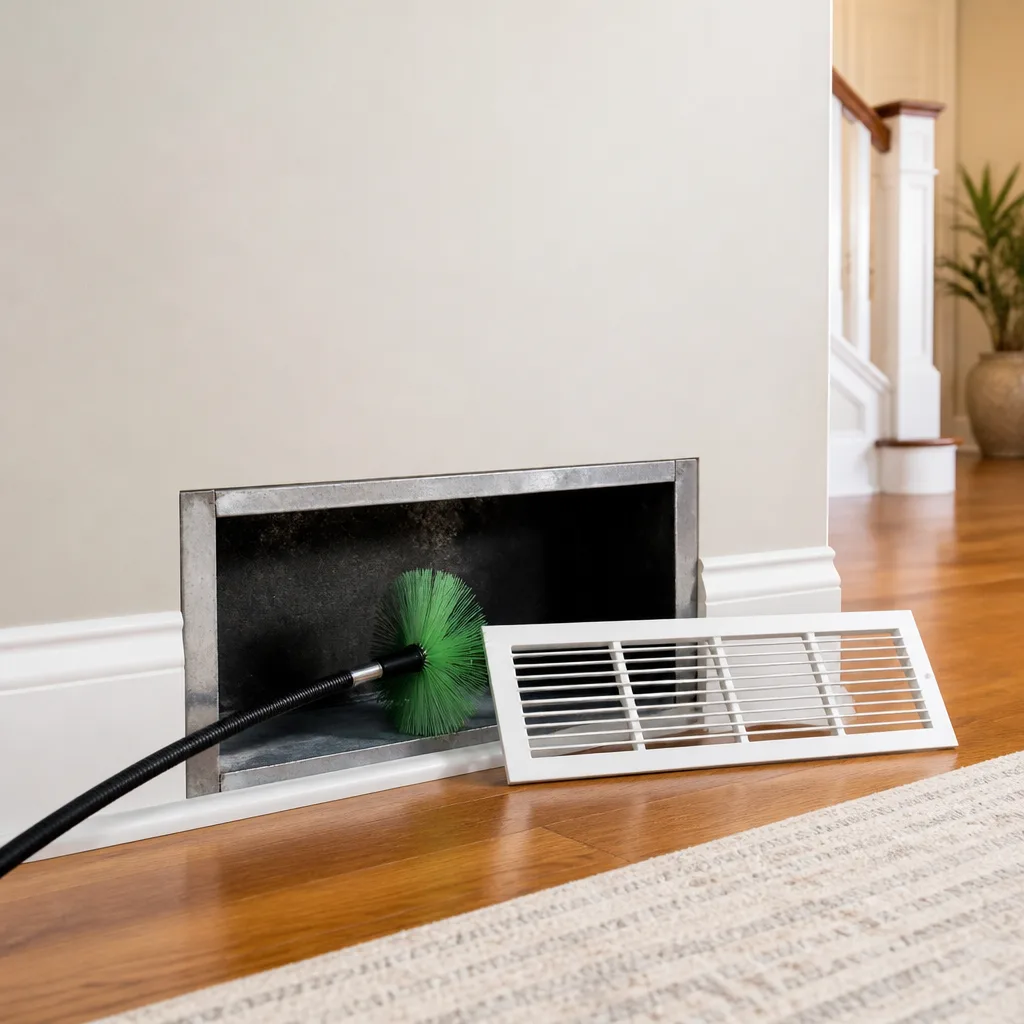 Sanitizing & deodorizing
Whole-system duct and dryer vent check with before-and-after photos - you see exactly what came out of your vents
That "$99 whole-house special" is a bait ad - the real number appears once they are in your hallway, or the "clean" is a shop-vac at the register. We photograph the inside of your ducts before and after instead.
Air Duct Cleaning Cost Breakdown: The McKinney Homeowner’s Reference for 2026
In McKinney, you can find duct cleaning quotes ranging from $99 to over $700 for the same house. Both quotes are real businesses. Only one of them is describing the same service. The difference isn’t greed on one side or honesty on the other – it’s equipment, process, and whether anything actually gets removed from your ductwork. This guide breaks down what a legitimate duct cleaning job costs in McKinney, why the components cost what they do, and how to read an itemized quote as a quality filter before anyone steps through your door.
Quick Answer
Air duct cleaning in McKinney typically runs $350 to $700 for a whole-house system, with most single-story homes landing in the $350 to $500 range and larger two-story homes with multiple zones coming in between $500 and $700. The price reflects equipment mobilization, negative air runtime, rotary brush passes through every branch line, and post-cleaning verification – not the number of vents. Any quote built per-vent rather than per-system deserves a second look. If duct damage turns up mid-job, the repair is usually priced separately, and the final number is the one on your written estimate.
Styles & brands we work with
- Whole-home duct cleaning
- Dryer vent cleaning
- Camera inspection
- Sanitizing & deodorizing
Table of Contents
- What actually drives the cost of a legitimate duct cleaning job
- What a $99 or $150 quote structurally cannot cover
- How McKinney home construction affects the real price
- Typical 2026 price ranges by home type
- When duct repair is found mid-job: add-on cost ranges
- How to use an itemized quote as a quality filter
- How to verify the work was actually done
- Common mistakes to avoid
What Actually Drives the Cost of a Legitimate Duct Cleaning Job
A real duct cleaning job has four hard cost components, and every one of them scales with the size and complexity of your system – not with how many vents a technician can wave a wand at. Here’s what you’re paying for when the price is honest.
- Equipment mobilization. Truck-mounted or trailer-mounted vacuum systems and negative air machines have to be brought to your property, staged, connected at the main trunk, and run properly. That’s setup time, fuel, and machine wear. It’s also the single biggest gap between a professional-grade operation and a shop running consumer-grade vacuums out of a hatchback.
- Negative air runtime. A negative air unit pulls the whole duct system into a controlled vacuum before any agitation starts. That run has to be established and maintained for the duration of the cleaning – not just switched on for show. In our experience, the machine has to stay on and sealed at the trunk for the entire cleaning, not cycled on and off.
- Rotary brush passes per linear foot. Brush agitation is what actually dislodges debris clinging to duct walls. Standard practice is at least one pass per branch line, often two on supply runs with heavy accumulation. A long ranch-style layout in McKinney means more linear feet, more passes, and more time.
- Post-cleaning verification. Before-and-after photos of the inside of the ductwork, a check that every register has airflow restored, and a walkthrough with you. This is where the difference between “cleaned” and “claimed to be cleaned” gets documented.
The equipment brands involved matter because they set the floor on what a job can honestly cover. Rotobrush brush-agitation systems, Nikro HEPA-rated vacuuming, and Abatement Technologies negative air machines are contractor-grade tools. You cannot deploy them at a $99 price point and stay solvent. That’s the entire explanation for the price gap you see in search results.
What a $99 or $150 Quote Structurally Cannot Cover
Run the numbers on a $99 job and the equipment math gets uncomfortable fast. A legitimate cleaning needs a vacuum capable of holding the whole duct system under negative pressure, an agitation tool that reaches the walls, and enough labor hours to cover every branch line. At $99, there is no budget for negative air equipment, no budget for a second technician, and often no budget for more than a quick pass at the registers you can see.
What low-bid operations typically deliver is one of three things:
- A surface pass only. The visible return grille and the closest register get attention. The trunk line, the branch runs behind drywall, and the plenum are never touched.
- An upsell funnel. The $99 gets the technician inside. Once on site, they present a much larger invoice for “the real cleaning,” pressurized by the fact that they’ve already removed your registers.
- No containment. Without negative air and HEPA filtration, the act of disturbing debris can push particles back into living space rather than capturing them. That’s worse than not cleaning at all for anyone in the home with respiratory sensitivity.
None of this means every quote above $400 is automatically good. A quote is only as good as its line items. There’s a quick way to find out which side of that line a business lives on: ask what equipment they bring and how they handle contamination capture. If the answer is vague, the price is the only thing you’re evaluating, and that’s not enough. If you want a straight, whole-system quote from a team running professional-grade equipment, a proper air duct cleaning estimate is the place to start.
How McKinney Home Construction Affects the Real Price
McKinney housing stock is a real factor in what a legitimate job costs, and it’s the part of a quote most homeowners don’t think to ask about. Slab construction, two-story layouts, and the age of the flex duct system all push labor hours up or down in ways that a per-vent quote completely ignores.
- Slab construction. Most McKinney homes sit on slab foundations without a basement. That means the entire duct system is either in the attic or running through the slab itself. Attic runs are accessible but involve heat, tight clearances, and careful equipment staging – all of which add time. Slab-embedded runs limit access and change how a technician has to approach the trunk.
- Two-story layouts. A two-story McKinney home with a zoned system means multiple plenums, longer branch runs, and more brush passes. The same square footage as a single-story home can take 40% longer to clean properly.
- Older flex duct systems. Many homes built in the 1990s and early 2000s used flexible duct in the attic. Flex duct accumulates debris along its ribs, is harder to brush clean, and is more prone to sagging, crushing, and disconnection. If the flex has collapsed or come loose, cleaning alone won’t fix airflow – and that’s when the repair conversation starts.
- Mild North Texas summers. The cooling season here runs long, which means the system runs hard for much of the year. That’s more airflow through the ducts, more accumulation, and more reason a legitimately thorough job takes the time it takes.
For a sense of how this plays out block by block across the city, our McKinney service information outlines what we see on the ground in different parts of town.
Typical 2026 Price Ranges by Home Type
These are typical, estimated ranges for a whole-system cleaning in McKinney – not a menu, and not a promise. Every job gets a written estimate; the written estimate sets the final price. Repairs found during cleaning are quoted separately.
| Home Type | Typical Range | What Drives It |
|---|---|---|
| Single-story, single system, under 2,000 sq ft | $350 – $450 | One plenum, moderate branch count, straightforward attic access |
| Single-story, 2,000 – 2,800 sq ft | $400 – $550 | Longer branch runs, more brush passes, heavier accumulation |
| Two-story, single zone | $450 – $600 | Second-story branch runs, longer setup, more labor hours |
| Two-story, two zones / dual system | $550 – $700+ | Two plenums, doubled negative air runtime, two full cleaning sequences |
| Dryer vent cleaning (standalone) | $120 – $200 | Vent length, number of elbows, roof or wall termination |
Where a home has visible mold growth inside the ductwork, pest contamination, or a recent renovation that pushed drywall dust and debris through the system, expect the estimate to run toward the top of the range or above it. That’s not padding. It’s the extra equipment runtime and containment time the job genuinely requires.
Dryer vent cleaning is worth a separate look here because it’s the one item on this list with a real safety dimension. Lint accumulation in the dryer vent is a leading cause of residential fires, and the fix is a straightforward mechanical cleaning. It’s available as a standalone job, and it’s the kind of thing worth doing alongside a duct cleaning if the dryer vent hasn’t been done. Details are on our dryer vent cleaning page.
When Duct Repair Is Found Mid-Job: Add-On Cost Ranges
Duct damage found during cleaning is common in McKinney homes, and it’s the point where most duct cleaning companies hand you off to someone else. Disconnected flex runs, crushed sections, torn duct board at the plenum, failed mastic at the joints – all of these get discovered once the registers are off and the system is under negative pressure. We handle the repair as part of the same engagement rather than leaving you to call a second contractor.
Typical repair cost ranges in McKinney, quoted separately from the cleaning:
- Single disconnected flex run, reconnected and resealed: $150 – $300 depending on access and length.
- Crushed or torn flex run, replaced with new flex: $250 – $450 per run, scaling with attic access difficulty.
- Plenum repair or rebuild at the air handler: $400 – $900, driven by duct board versus metal and the condition found.
- Mastic re-seal at multiple joints: $200 – $400 for a partial reseal across a system.
- Adding or relocating a supply register: $250 – $500 per register, including the branch extension.
Two things worth knowing before a repair comes up. First, ask up front whether the company doing the cleaning can also do the repair. If they can’t, you’re looking at a second mobilization fee and a second estimate from a different contractor – usually at a worse number because the second company has to start from scratch. Second, ask for photos of any damage found. A legitimate repair recommendation comes with visual evidence of the specific problem, not a verbal description of a vague problem.
Our Duct Cleaning McKinney service handles the repair as a first-party offering because the two jobs are so closely connected. Cleaning reveals the problem; repairing it in the same visit is faster and usually less expensive than a two-contractor sequence.
How to Use an Itemized Quote as a Quality Filter
An itemized quote tells you what you’re buying and it tells you what the company actually intends to do. A per-vent quote tells you neither. Here’s what a legitimate duct cleaning estimate should itemize, and what a missing line item tells you about the company that issued it.
Lines that should appear on a legitimate quote
- Equipment named or described. The quote should say what kind of vacuum and what kind of agitation tool will be used. If it doesn’t, ask before you book. Rotobrush, Nikro, and Abatement Technologies are the names that come up on professional quotes because they’re recognized contractor-grade equipment.
- Access points and count of branch lines. The quote should reflect how many supply runs, how many returns, and how many plenums are in the system. That number is what determines the labor hours.
- Containment and filtration method. Negative air with HEPA filtration is the standard for a job that captures debris rather than recirculating it. This line is the difference between cleaning and stirring.
- Verification and documentation. Before-and-after photos of the inside of the ducts, provided to you, should be on the quote as a deliverable.
- Repair scope, quoted separately. If a repair is found, it should be quoted as its own line item with a photo of the damage and a written scope – not folded into a verbal add-on.
Red flags on a quote
- A per-vent price with no system-level description.
- No mention of equipment at all.
- A coupon headline price with no itemization behind it.
- No written estimate before work starts.
- A repair recommendation with no photos.
If you get an itemized quote that reads clearly, lists equipment, describes the process, and commits to before-and-after photos, you’ve already narrowed the field considerably. If you want to compare that against a quote from us, our Duct Cleaning McKinney page is the fastest way to get the conversation started. Estimates are free.
How to Verify the Work Was Actually Done
Verification is where the $99 job and the $600 job separate permanently. You should be able to point to specific evidence after the work is complete – not just trust that the technician did what they said they did.
- Before-and-after photos of the duct interior. Not the grille. Not the register cover. The inside of the trunk and at least one branch run. Ask for these before work starts so there’s no surprise at the end.
- A containment check during the job. The negative air machine should be running and sealed at the trunk for the duration. If the machine isn’t running while the brush is going, the debris is going somewhere else.
- Airflow check at every register before the technician leaves. Every supply and return should be blowing or drawing air. A register that’s noticeably weaker after cleaning than before is a sign something got knocked loose.
- A written summary of any damage found. If repair is recommended, the recommendation should be written and photographed.
- No surprise invoice. The final bill matches the written estimate plus any quoted repairs you approved. No add-on for “the real cleaning.”
That last point matters more than people expect. The classic sequence – cheap headline price, surprise invoice – exists because verifying work is hard. If the company asked for your approval on an itemized scope up front and delivered against that scope, you’re not relying on trust to get a fair price. You’re comparing the job you bought to the job you got.
Common Mistakes to Avoid
- Comparing per-vent quotes to per-system quotes. A $9-per-vent quote for a home with 18 registers is $162, and it covers a fraction of what a whole-system cleaning covers. Compare apples to apples: ask two companies to quote the same system scope and you’ll see the real gap. In McKinney, a two-story home with a zoned system has roughly double the cleaning scope of a single-zone home, but the per-vent math won’t show it.
- Booking based on a phone quote alone. A phone quote without a system walkthrough or at least a description of the duct layout is a guess dressed as a price. Ask for a written estimate after a call or a quick walkthrough.
- Assuming negative air is included. Some low-bid operators skip negative air and HEPA filtration entirely, because those machines are expensive to run and add hours. Ask directly before booking.
- Ignoring the flex duct question. In McKinney’s older neighborhoods, a lot of attic duct systems are 20-year-old flex that has sagged or disconnected. If nothing gets checked during cleaning, you’re paying for a cleaning that won’t restore airflow.
- Skipping the dryer vent. Dryer vent cleaning is often treated as an optional add-on. It’s a safety service. If the vent hasn’t been done and the dryer is cycling hot, get it looked at.
- Not asking who does the repair. If the cleaning company doesn’t do repair, a mid-job discovery becomes a second contractor, a second mobilization, and a second quote. Ask up front.
- Assuming the cheapest quote reflects a smaller job. It doesn’t. It reflects a smaller scope of work. The ducts in your McKinney home don’t care what you paid; they care what actually got removed.
See the difference
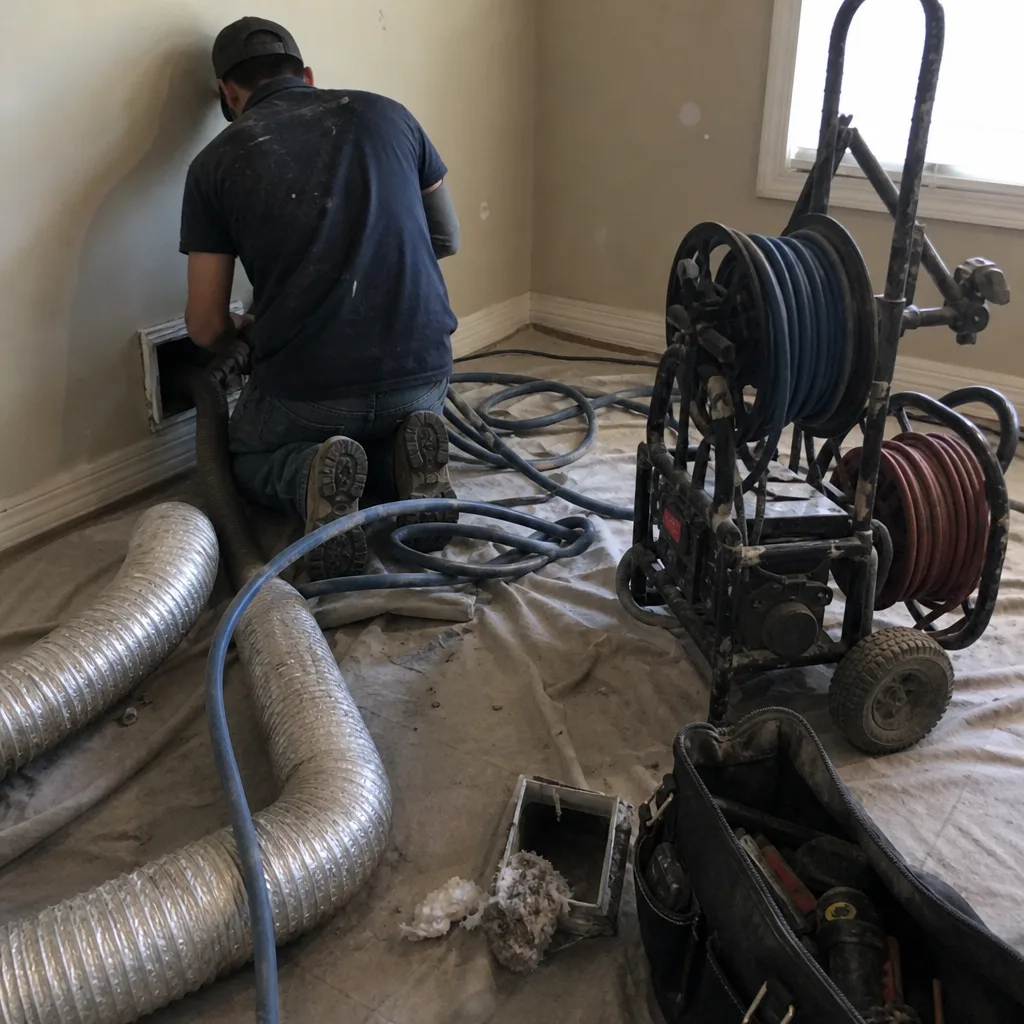 Before
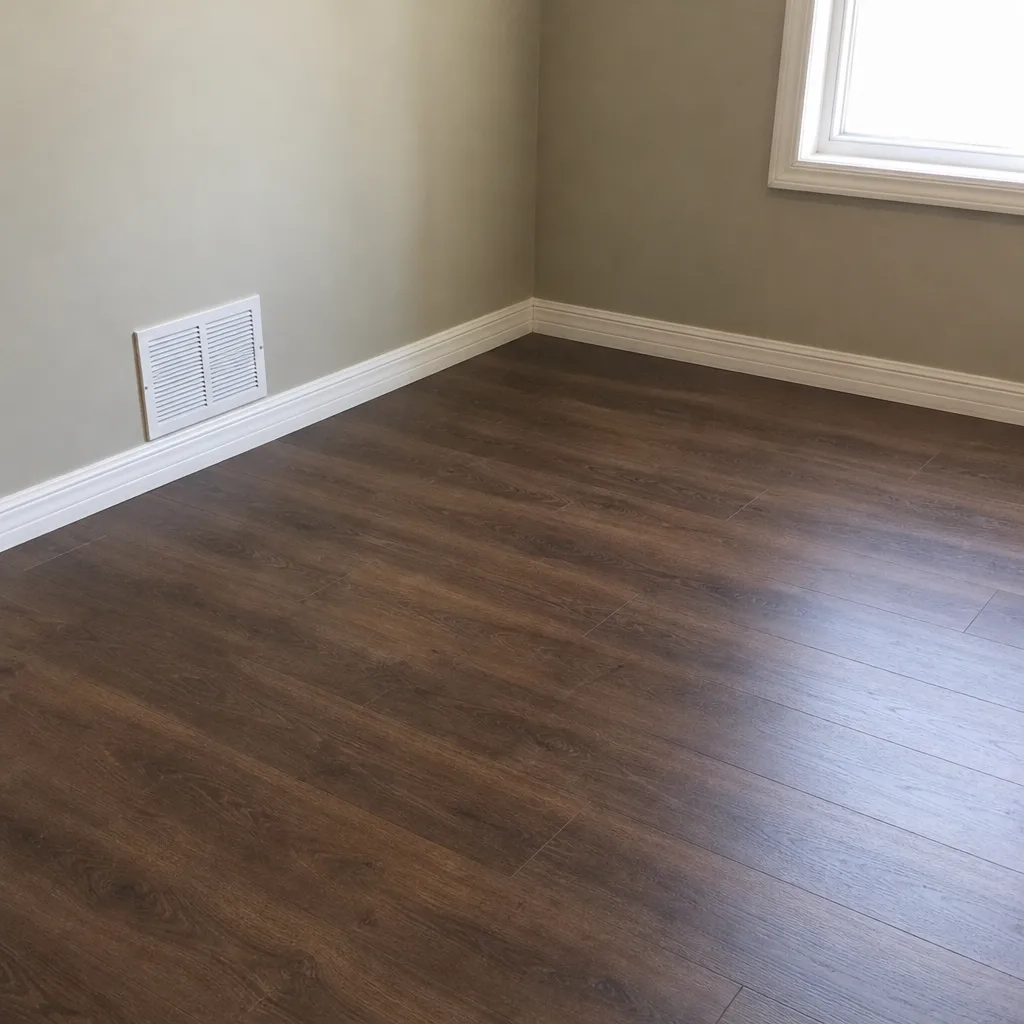 After
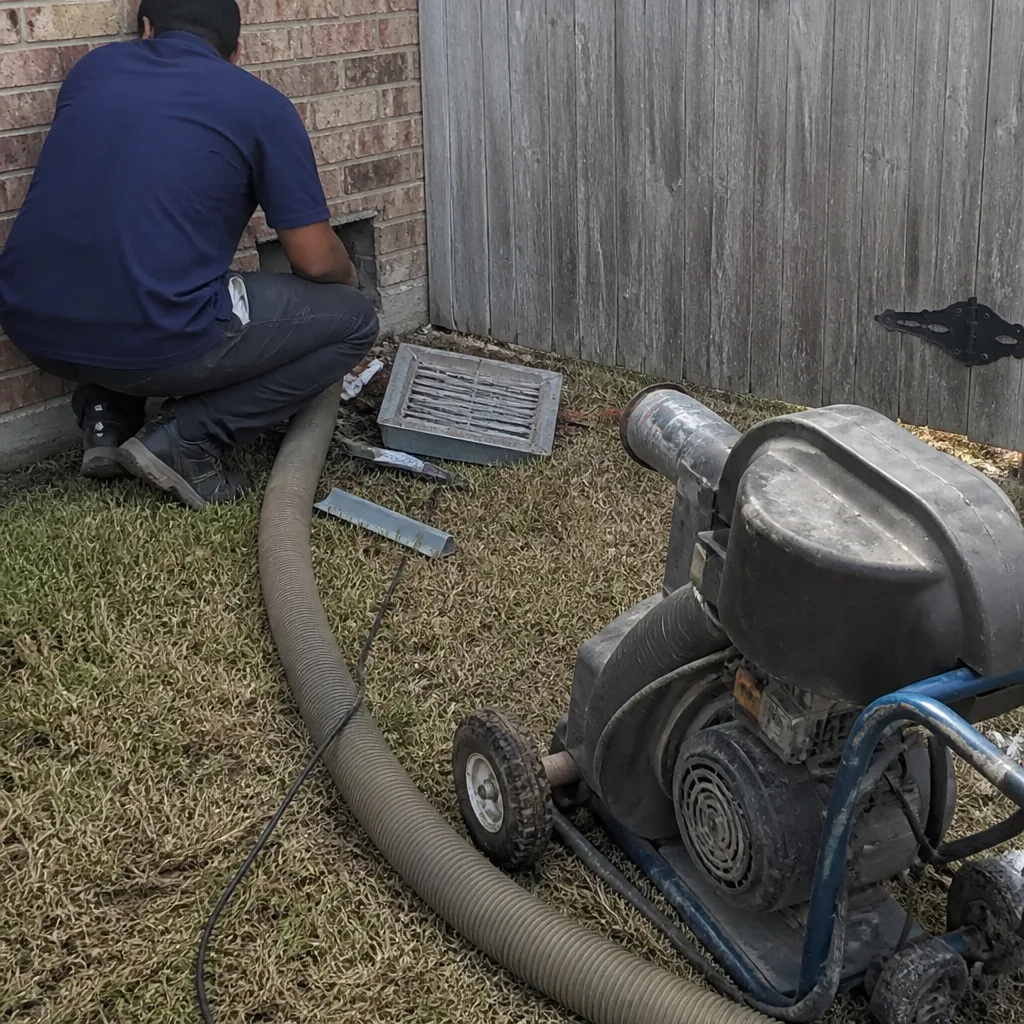 Before
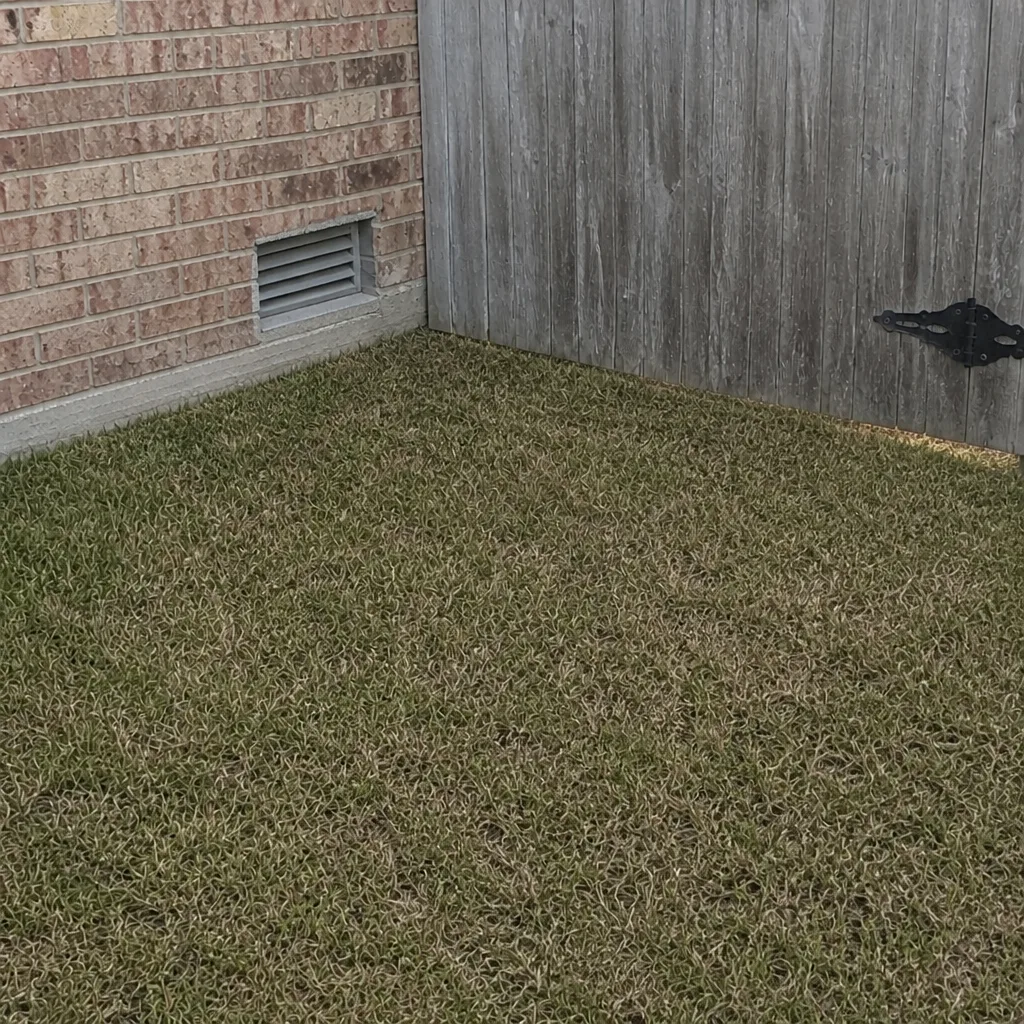 After
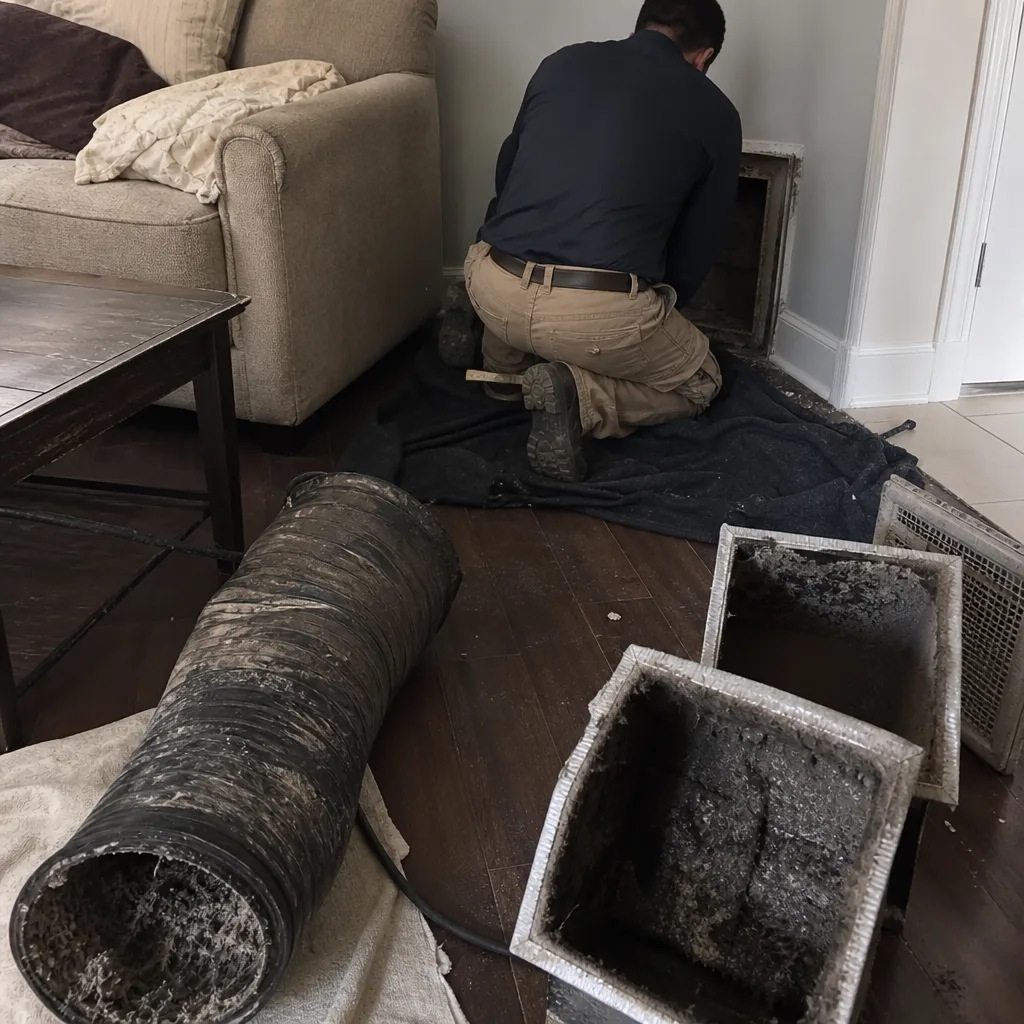 Before
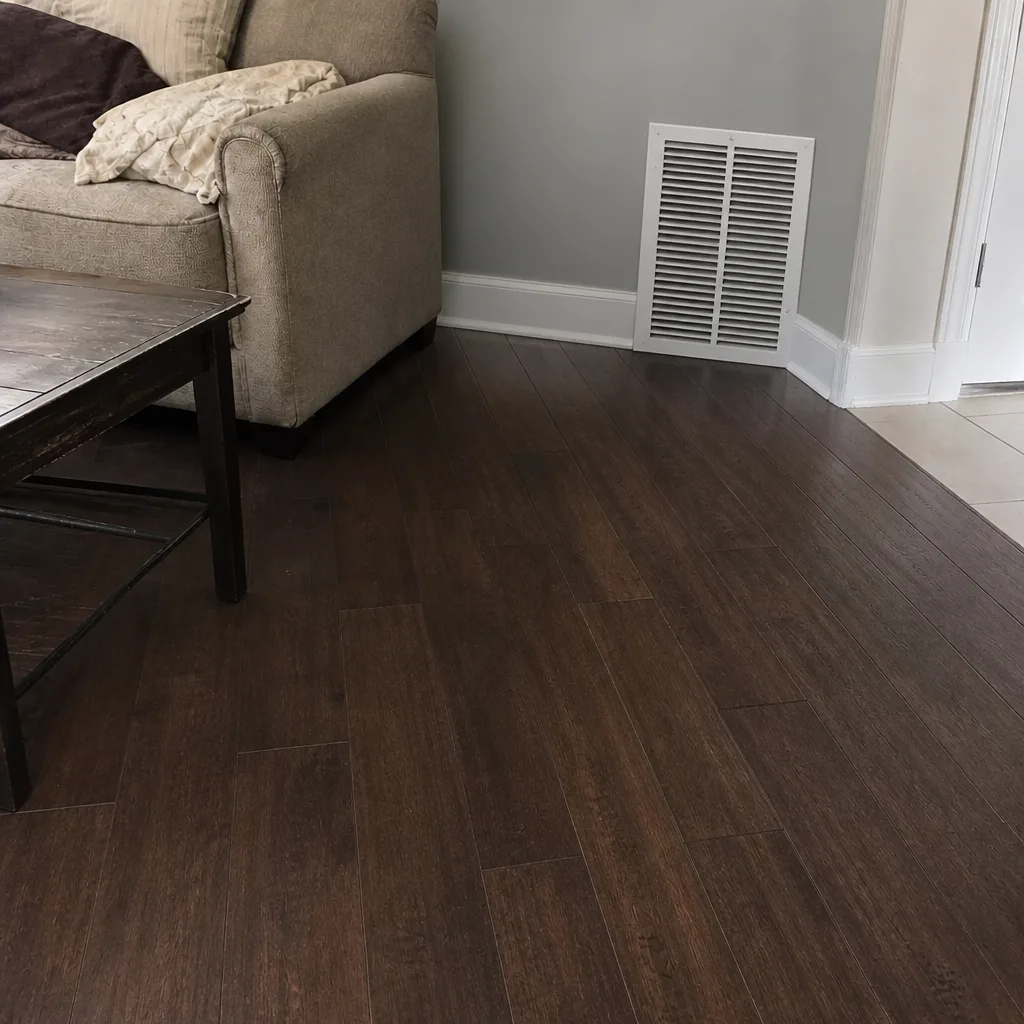 After
When to Call a Professional
The right time to call is when a duct cleaning is actually warranted, and when you want to know the work was done with professional equipment rather than a surface pass. Specific scenarios: a recent move-in where the previous owner’s air quality history is unknown; a renovation that sent drywall dust through the system; visible dust blowing from registers after a filter change; a home where nobody in the household can remember the ducts being cleaned; a dryer that’s running hot or taking multiple cycles; or a walkthrough where flex duct in the attic looks sagged or disconnected. Our technicians have up to 13 years of experience and work with Rotobrush agitation, Nikro HEPA capture, and Abatement Technologies negative air equipment. If you’ve already had a disappointing experience with a bargain outfit and want to see what a properly equipped job looks like, that’s exactly the conversation worth having. Duct Cleaning McKinney offers free estimates in McKinney – call (866) 361-7225.
Frequently Asked Questions
Air duct cleaning in McKinney typically costs $350 to $700 for a whole-house system, with most single-story homes landing between $350 and $500 and larger two-story or dual-zone homes running $500 to $700 or more. The written estimate sets the final price. Call (866) 361-7225 for an exact quote – estimates are free.
Cheap quotes aren’t a smaller version of the same job – they’re a different job. A $99 or $150 quote has no room in it for negative air equipment, full-system brush agitation, or post-cleaning verification, because those components cost more than the quote itself. What you get instead is usually a surface pass at the visible registers, sometimes followed by an upsell once the technician is inside. Call (866) 361-7225 and we’ll walk you through what a legitimate scope looks like line by line.
Ask for before-and-after photos of the duct interior – the trunk and at least one branch run, not just the grille – plus an airflow check at every register before the technician leaves. A containment check during the job matters too: the negative air machine should be running and sealed at the trunk the whole time. If a company can’t provide photos and won’t commit to them up front, that tells you something. Call (866) 361-7225 for a free estimate that includes documented verification.
There’s no universal interval, and any company quoting you a rigid schedule is selling, not advising. A reasonable approach is after a move-in, after a renovation, after pest activity in the attic, or when you can see debris at the registers. Homes with pets, allergies, or heavy runtime in North Texas’s long cooling season tend to need it sooner than others. If you’re not sure, call (866) 361-7225 and we’ll give you a straight read on your system.
Yes, typically 20% to 40% more than an equivalent square footage single-story home, and the difference is labor hours rather than pricing strategy. Two-story layouts have longer branch runs, second-floor access through the attic, and often a zoned system with two plenums. That’s more brush passes, more negative air runtime, and more setup. Call (866) 361-7225 for a free estimate based on your actual layout.
The damage gets photographed, quoted as a separate line item, and – with your approval – repaired during the same visit. We offer duct repair as a first-party service, meaning a disconnected flex run or a crushed section at the plenum doesn’t get handed off to a second contractor. You approve the scope and the price before any repair work starts. Call (866) 361-7225 for a free estimate.
No, dryer vent cleaning is a standalone service quoted separately, typically $120 to $200 in McKinney depending on vent length, number of elbows, and whether the termination is at the roof or an exterior wall. It’s often scheduled alongside a duct cleaning because both address the same home’s air and exhaust systems. Lint buildup in the dryer vent is a leading cause of residential fires, so it’s worth a look even on its own. Call (866) 361-7225 for a combined estimate.
The Bottom Line
Duct cleaning price in McKinney comes down to four things: what equipment shows up, how long the negative air unit runs, how many brush passes each branch line gets, and whether the work is documented when it’s done. A $99 quote and a $600 quote are answering different questions. The $600 quote is answering “what does it cost to actually remove the debris from this system,” and the $99 quote is answering “what does it cost to get a technician through the door.” Read the line items, ask about equipment, and make the final call based on what’s actually being bought. Duct Cleaning McKinney offers free estimates, professional-grade equipment, and repair on the same visit when damage turns up – if that sounds like the right way to buy a cleaning, call (866) 361-7225. We answer 24/7. Fast dispatch from 7am to 7pm, Sunday through Friday.
Written by the team at Duct Cleaning McKinney.