
Last updated November 15, 2026
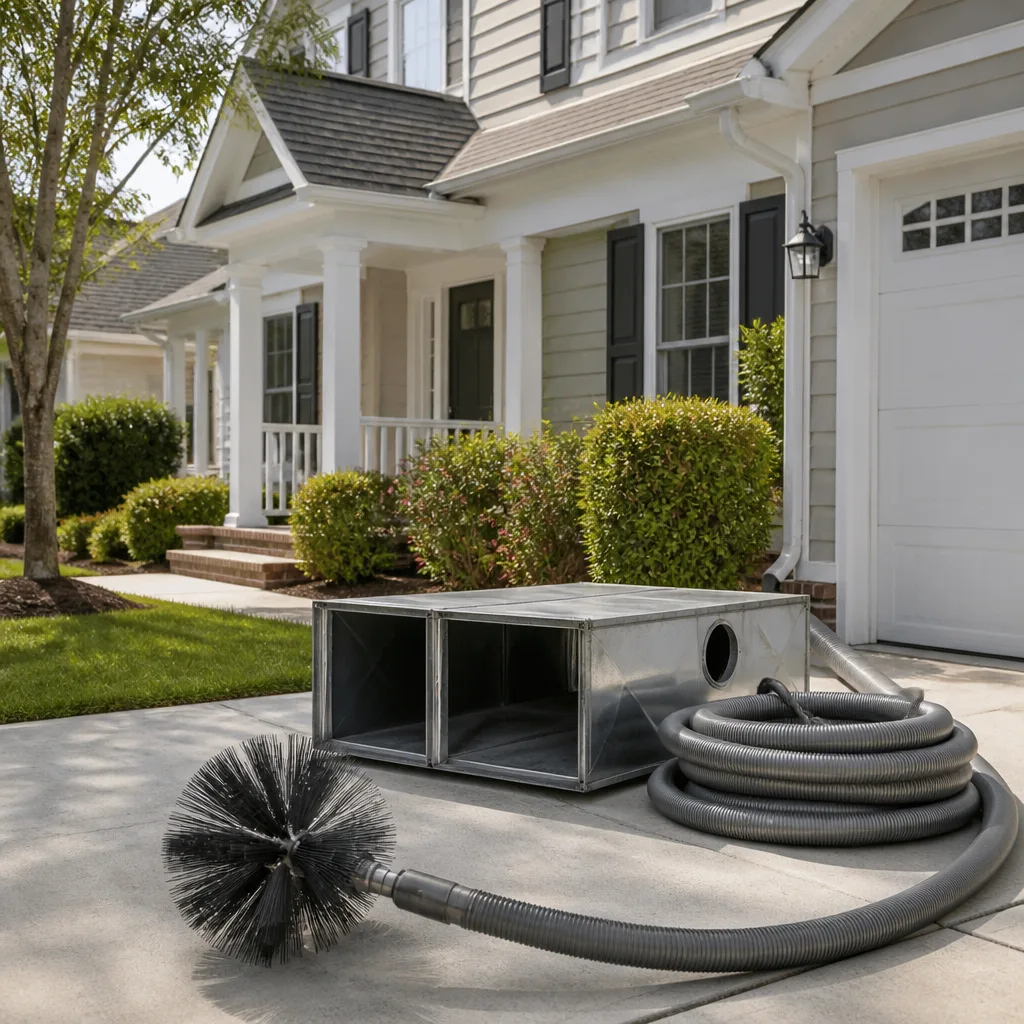 Whole-home duct cleaning
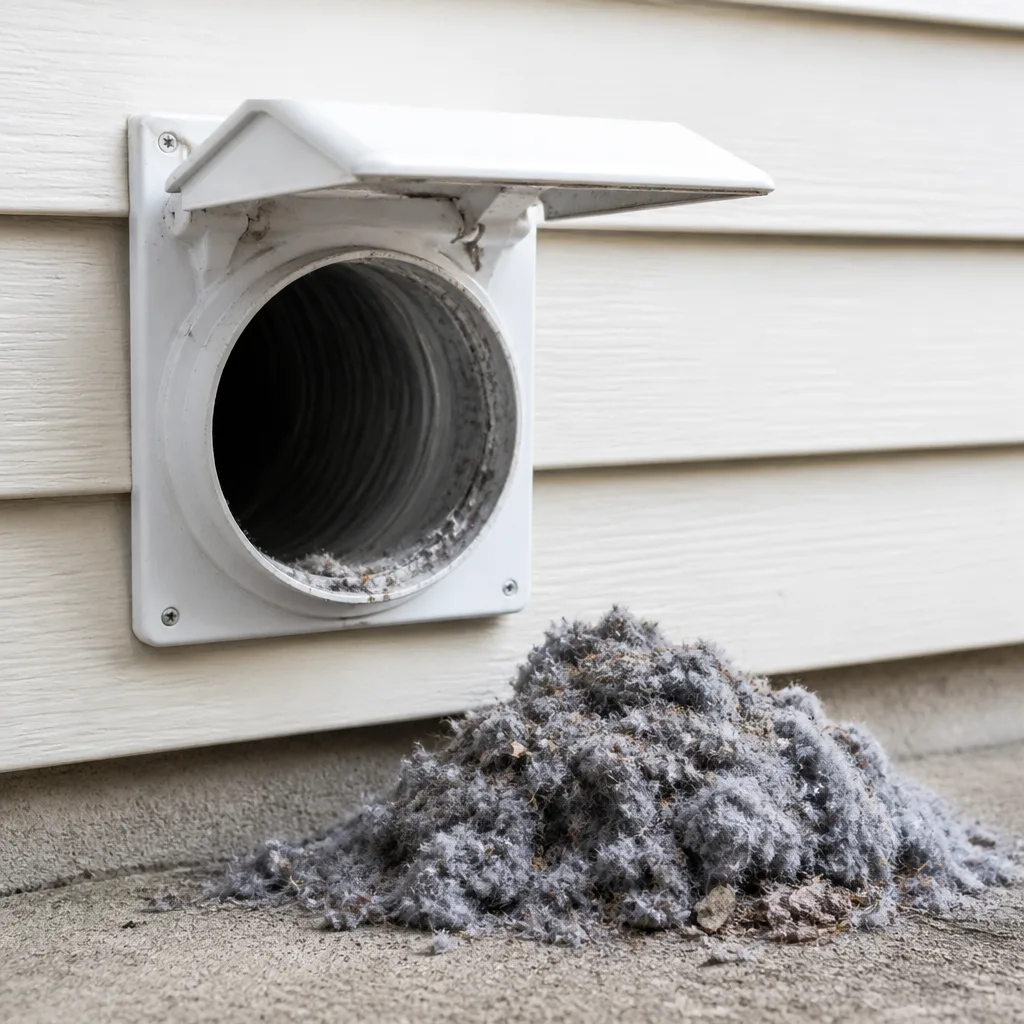 Dryer vent cleaning
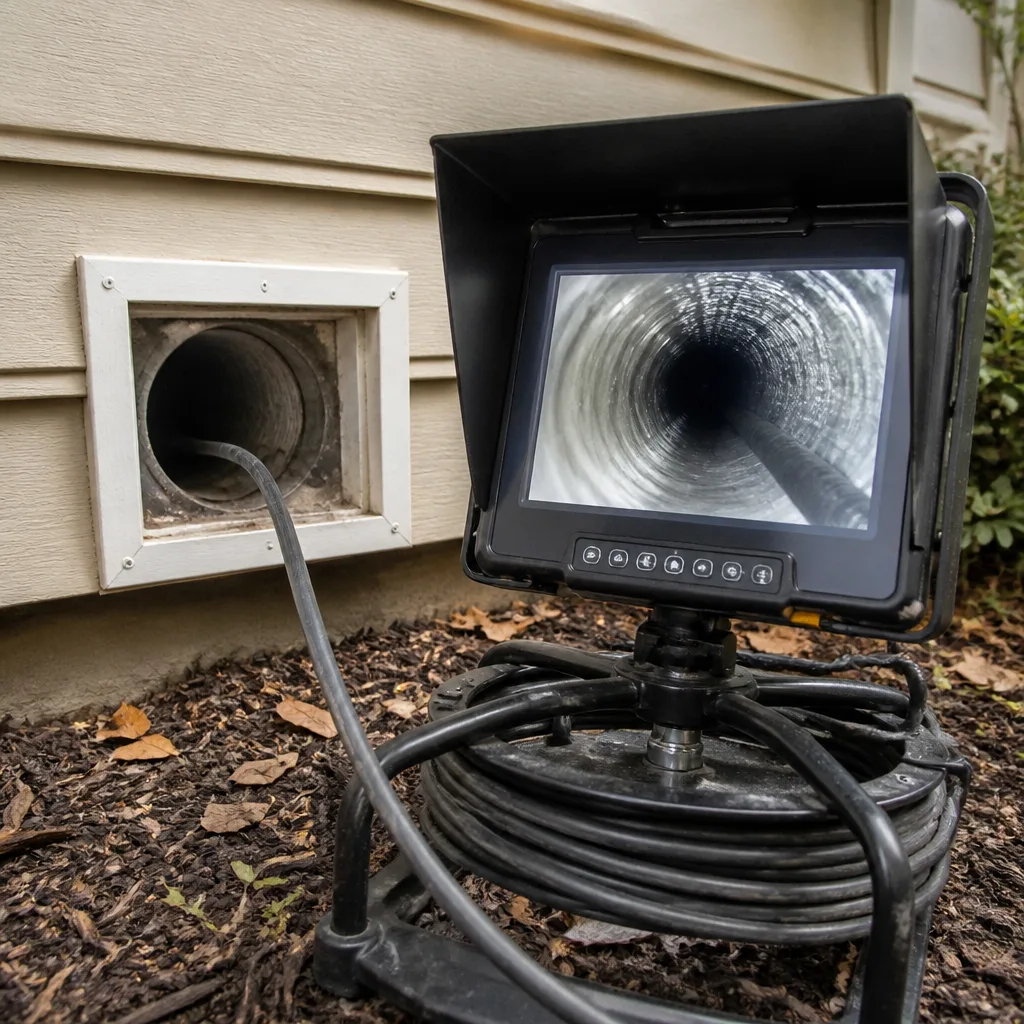 Camera inspection
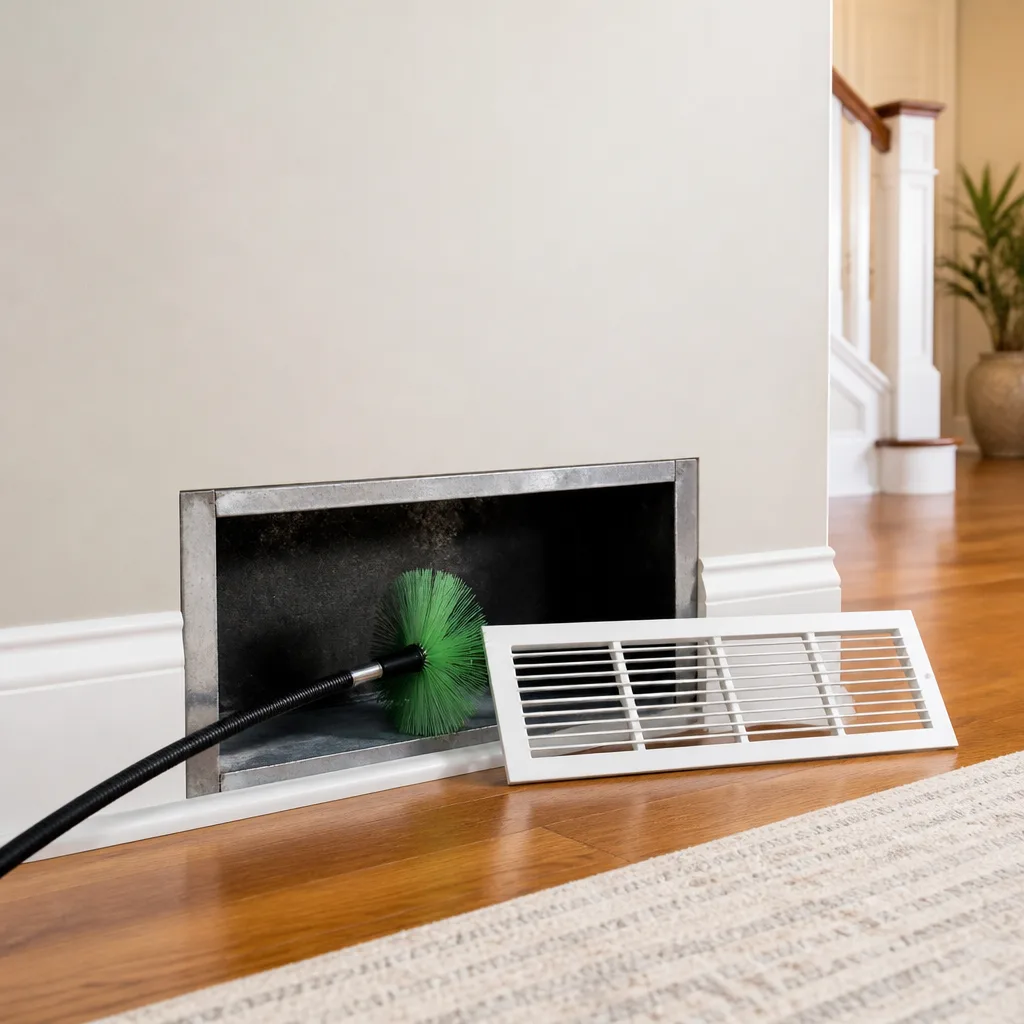 Sanitizing & deodorizing
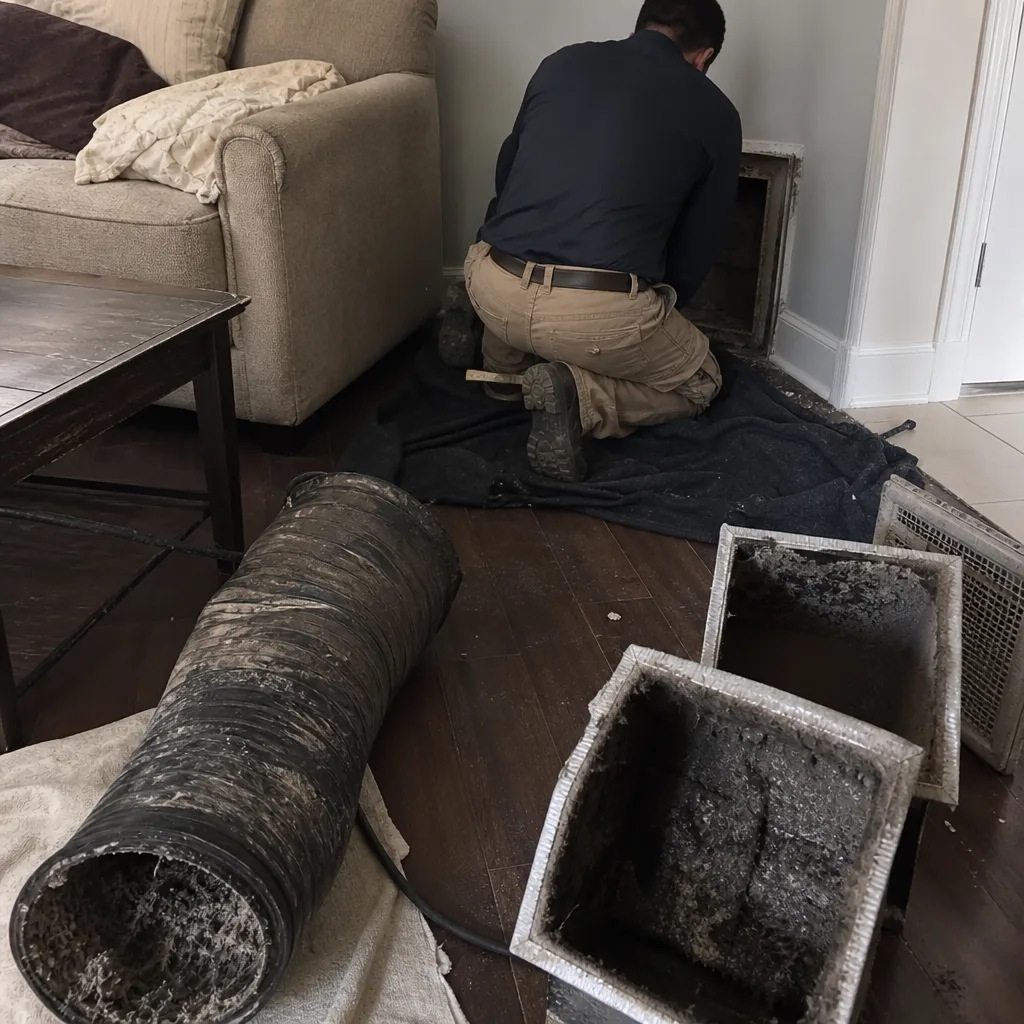
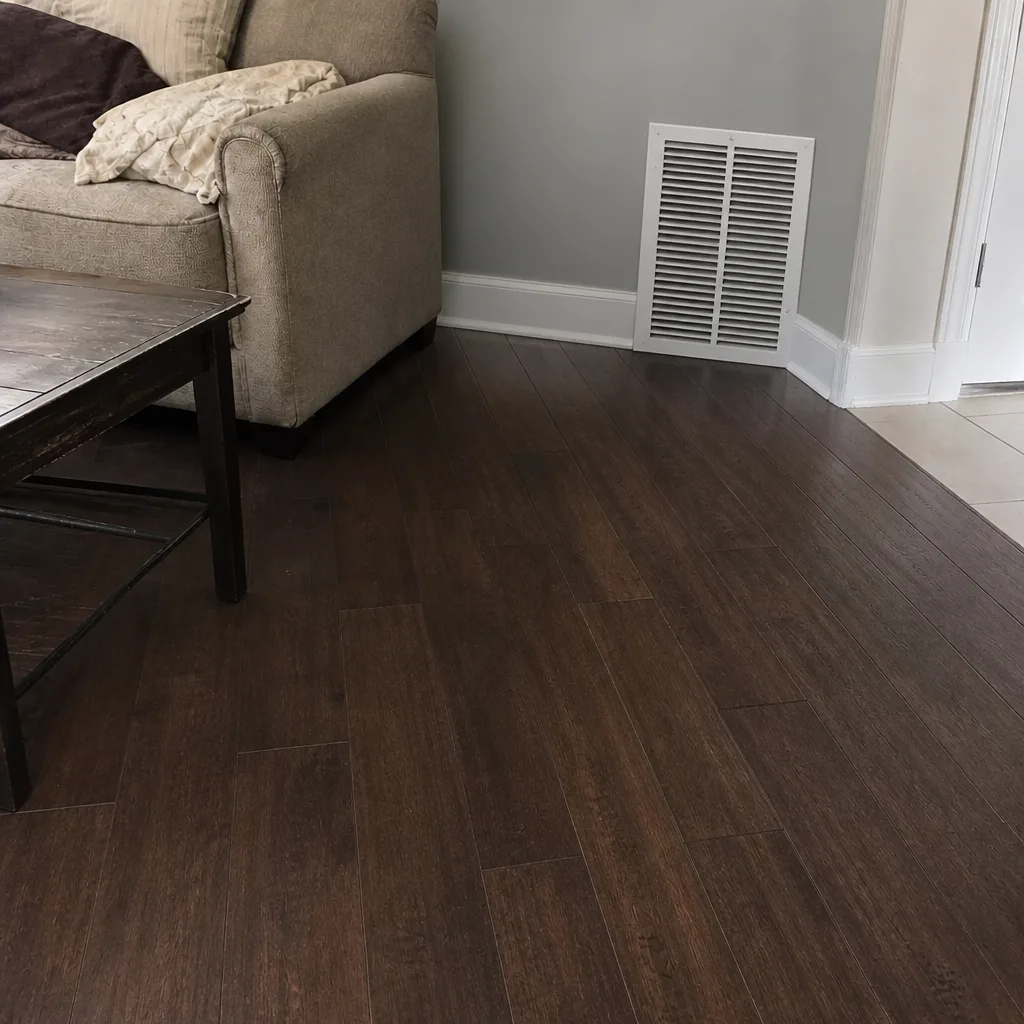
Whole-system duct and dryer vent check with before-and-after photos - you see exactly what came out of your vents
That "$99 whole-house special" is a bait ad - the real number appears once they are in your hallway, or the "clean" is a shop-vac at the register. We photograph the inside of your ducts before and after instead.
Air Duct Cleaning Emergency Preparedness Guide for McKinney Homes
A storm doesn’t have to tear off your roof to contaminate the air you breathe. After a hail event severe enough to damage attic penetrations, your duct system may have pulled outdoor debris, insulation particles, and moisture into the return air path before you noticed anything wrong inside the house – and that contamination moves through every room with each HVAC cycle. Most McKinney homeowners have no plan for what to do in those first few hours. This guide gives you one: the checks to run before you switch the system back on, how attic damage signals duct risk, how to document everything an adjuster will want, and what actually separates a post-storm cleanup from a routine visit.
Quick Answer
If a severe weather event has hit your McKinney home, turn the HVAC system off before restarting it, inspect the attic and air handler for water, displaced insulation, and debris, and photograph everything before touching it. If you see moisture, torn flex duct, or a damaged air handler housing, book a duct inspection before running the system – contamination spreads through the whole house once the fan comes on. Post-storm duct cleaning addresses what a standard cleaning job doesn’t: outdoor debris, wet insulation, and airborne particles pulled in through storm-damaged penetrations.
Styles & brands we work with
- Whole-home duct cleaning
- Dryer vent cleaning
- Camera inspection
- Sanitizing & deodorizing
Table of Contents
- Why Storm Events Hit McKinney Duct Systems Harder Than You’d Expect
- The Post-Storm Protocol: What to Check Before the HVAC Comes Back On
- Attic Damage Indicators That Signal Duct Contamination
- How to Document Duct Damage for an Insurance Claim
- Flash Flooding and Ground-Level Returns in McKinney Slab Homes
- What Restoration-Grade Protocols Address That Standard Cleaning Doesn’t
- Building Your Household Duct Emergency Plan
- Common Mistakes to Avoid
- When to Call a Professional
- Frequently Asked Questions
Why Storm Events Hit McKinney Duct Systems Harder Than You’d Expect
McKinney sits in a stretch of North Texas that sees its share of hail, high wind, and tornadic activity. Homes here are built tight and run their HVAC systems long and hard through hot summers, which means the duct system is under near-constant negative pressure – the return side is always pulling air from somewhere. Normally that “somewhere” is your living space. After a storm breaches attic penetrations, loose insulation, roof debris, and moisture can find their way into the return path, and the system distributes them through the house before anyone thinks to check.
The reason this catches people off guard is that the damage upstairs is often subtle. A displaced shingle or a hairline gap around a boot flashing doesn’t look like much from the ground. But the attic is where your air handler and much of your ductwork live in most McKinney construction, and it’s the first place storm intrusion shows up. By the time you notice dust blowing from a vent or a musty smell in the hallway, the contamination has already been cycling through the house for days.
Homes in established neighborhoods around the historic downtown core, and newer builds out toward Stonebridge Ranch and Craig Ranch, face different versions of the same problem. Older construction may have less sealed attic penetrations and older flex duct that tears more easily. Newer construction may be tighter – which keeps out wind-driven rain but can trap contaminants inside once they’re in. Either way, the sequence after a storm is the same: shut the system down, inspect thoroughly, document, then clean before you run the air again.
What most homeowners don’t have is a plan built in advance. The goal of this guide is to give you one, so the call you make after a storm isn’t made in a panic without knowing what to ask. If you’d rather start with the basics on what routine professional cleaning looks like, our air duct cleaning service page covers the standard scope.
The Post-Storm Protocol: What to Check Before the HVAC Comes Back On
After any severe weather event with wind, hail, or heavy rain, the first thing to do is turn the HVAC system off at the thermostat. The worst contamination scenario is a system that runs on a compromised duct network for days while debris and moisture settle into the ducts. The second thing is to resist the urge to “test it” by cranking the fan. Run through the checks below in order before you restore the system.
- Shut off the HVAC at the thermostat. Don’t run heat or cooling until you’ve completed the visual inspection.
- Walk the attic or mechanical closet. Look for water staining on the decking, wet insulation, and any gap that lets daylight through the roof sheathing or penetrations.
- Inspect the air handler housing. Check for dents, displaced panels, standing water in the condensate area, or debris packed against the cabinet. A damaged housing can pull unfiltered attic air directly into the system.
- Check the filter and return grille. A filter loaded with debris, insulation fibers, or damp material is a sign that contaminated air has already entered. Replace the filter before restarting.
- Look at accessible duct runs. Torn flex duct, disconnected sections, sagging runs holding water, and duct tape that has peeled away all signal real damage.
- Smell the air near the returns. A musty or earthy smell before you start the system is a warning sign of moisture that has gotten into duct material.
- Photograph everything before touching anything. Documentation is far harder to reconstruct after a cleanup has begun.
If all six checks are clean, you can restart the system and monitor for a few days. If any check turns up moisture, debris, or damage to the air handler or duct connections, schedule a professional duct inspection before running the system. This is the same sequence our technicians run when a McKinney homeowner calls after a storm, and it’s why we ask people to keep the system off until we get there.
Attic Damage Indicators That Signal Duct Contamination
The attic is the diagnostic center of post-storm duct risk in most McKinney homes. Because the air handler and the majority of the duct runs sit up there, damage to the attic envelope translates directly into duct exposure. A few specific indicators matter most.
- Displaced or damp insulation. Insulation that has been pushed around, compressed, or soaked by wind-driven rain is a sign that attic air has been moving freely. Once insulation fibers become airborne, the return side of the system pulls them into ducts within a single HVAC cycle.
- Compromised air handler housing. Dented or displaced cabinet panels on the air handler create gaps where unfiltered attic air bypasses the filter entirely. That’s the most direct path for storm debris into the duct system.
- Sagged or torn flex duct. Flex duct is common in this region and tears easily in high wind. Any run that has come loose from its collar or hangs lower than it should is pulling air from the attic instead of the living space.
- Water staining on the air handler platform or duct insulation. Even small amounts of moisture are enough to create a growth-friendly environment inside a duct if it stays wet.
- Debris around roof penetrations. Loose roofing granules, shingle fragments, and blown-in material around plumbing boots, vents, and the air handler platform will eventually end up in the system.
What we often see after a storm event in McKinney is a combination: a small penetration gap lets in water and wind-blown material, insulation gets disturbed, and the air handler picks it all up. A standard filter won’t stop what’s already inside the ducts, and the system keeps distributing it until a proper cleaning is done. If your attic inspection shows any of the indicators above, treat the duct system as contaminated until a technician confirms otherwise.
How to Document Duct Damage for an Insurance Claim
Insurance adjusters respond to specific, organized evidence. The homeowners who get claims approved faster are the ones who photograph the right things in the right order before any cleanup begins. If a storm has damaged your attic or duct system, treat the documentation process as urgent and don’t wait for a contractor to write the report for you.
What to capture with photos:
- The attic as a whole, before anything is moved – wide shots that show the layout and overall condition.
- Close-ups of any water staining on decking, duct insulation, or the air handler platform.
- Displaced or damp insulation around penetrations.
- Torn flex duct, disconnected collars, and peeled duct tape at joints.
- The air filter itself, showing debris or moisture, next to something that establishes the date and location.
- Roof and exterior damage that ties directly to the interior contamination – hail hits, wind-lifted shingles, damaged flashing.
What a technician report should contain, and what adjusters ask for:
- A written summary of what was found, room by room if relevant.
- Photos matched to each finding, not a single “before” shot.
- The equipment and method used for inspection (this signals professional scope to the adjuster).
- An assessment of whether the contamination is storm-related versus pre-existing.
- A clear scope of work: what needs cleaning, what needs repairing, and what needs replacing.
Photograph duct runs before and after cleaning, because before-and-after documentation is the clearest proof of what was actually removed. If you discover damaged ductwork mid-clean, that repair should be documented as a separate line item. Our Duct Cleaning McKinney team photographs the system before and after and provides a technician summary in writing you can attach to your claim.
Flash Flooding and Ground-Level Returns in McKinney Slab Homes
Most McKinney homes sit on slab foundations, and many of them have at least one return air grille near floor level – in a hallway, a bedroom wall, or a mechanical closet close to the slab. That configuration is efficient for air circulation but leaves the system vulnerable to a specific problem after flash flooding: water and debris at ground level can be pulled into the return path before the surface looks wet at all.
Flash flooding in this part of North Texas rarely means standing water throughout the house. It’s more often water rising briefly in low yards, creeping in around doors and garage thresholds, and then receding, leaving damp footing plates, baseboards, and flooring. If a return grille sits within a foot or two of the slab, the return-side negative pressure keeps pulling air from the wettest part of the house even after the surface dries to the touch. That moisture enters the duct system and stays.
What to do after a flood-adjacent event:
- Turn the HVAC system off until floors and baseboards near any low return grille have dried.
- Check that return grille in the wall or floor for dampness around the frame, streaks, or debris collected on the fins.
- Pull and inspect the air filter – damp filter media is the clearest sign the return path has been compromised.
- Smell for a musty or earthy odor near the grille. A wet-drywall smell that persists after the surface dries is a sign to call before restarting.
- Schedule a duct inspection if the grille sits in a room that took on any water at all.
Slab construction means there’s no crawlspace or basement buffer between the return and the ground. In this region, that makes low-return homes the ones most likely to need post-flood attention, even when the damage inside looks minor. The floor of a duct system that ran damp for a few days is a slower problem to fix than one that was caught before the fan came back on.
What Restoration-Grade Protocols Address That Standard Cleaning Doesn’t
The difference between a cleaning job and a post-contamination remediation comes down to method and equipment. Standard cleaning loosens surface dust and vacuums it away. Restoration-grade work assumes the contamination is in the material, on the walls of the duct, and possibly in the air being moved through the system during the work itself. That distinction matters most after a storm.
Here’s how those two jobs differ in practice:
- Agitation before capture. Debris that has caked onto duct walls after a storm won’t lift with vacuum alone. We use Rotobrush brush-agitation systems to mechanically dislodge material from the duct surface, then capture it – rather than vacuuming over an undisturbed layer of debris.
- HEPA filtration at the source. Nikro HEPA-rated vacuuming traps fine particulates during extraction instead of recirculating them into the room while the work is underway. That’s a meaningful difference in a home where storm-blown particles are already a concern.
- Negative air control. On heavily contaminated systems, we deploy Abatement Technologies negative-air machines – the same equipment specified in mold remediation and professional restoration work. Negative pressure keeps the dislodged debris from spilling into the living space while it’s being removed.
- Repair built into the process. Compromised ductwork found during a storm-related cleaning is often reason enough to keep the system down until it’s fixed. We handle air duct repair as a first-party service, so the repair happens in the same engagement as the cleaning rather than waiting on a second contractor.
- Documentation throughout. Restoration-grade work is photographed before and after, because that’s how you verify what was actually removed.
If a storm event has damaged attic penetrations and contaminated your system, ask any company you call what equipment they’ll use and whether they’ll photograph before and after. A typical duct cleaning setup – a consumer-grade vacuum and a vague promise – won’t touch what a storm leaves behind, and won’t give you documentation to hand an adjuster. Our McKinney team brings Rotobrush, Nikro, and Abatement Technologies equipment to every post-storm job.
Building Your Household Duct Emergency Plan
A duct emergency plan is a two-minute sheet of paper that saves you hours of uncertainty after the next storm. Put it together now, before the next hail event, so the only thing you have to think about afterward is running the checks.
- Know where your HVAC shut-off is. The breaker for the air handler (and the thermostat) should be clearly labeled. Everyone in the household should know how to turn the system off.
- Note where your attic access is and whether there’s a clear path to it. If the access hatch is under a stack of boxes, clear it now.
- Locate the air handler and the filter. Know which rooms in your home have return grilles at floor level.
- Save a duct inspection number in your phone. So the call after the storm is one tap, not a search.
- Photograph your attic and duct system in good condition now. A pre-storm photo set is your best baseline when an adjuster asks what changed.
- Write down the storm checklist. Shut off HVAC, inspect attic, check filter, check low returns, photograph, call if any indicator is positive.
Homes in McKinney hit by a spring storm system often end up needing two things at once: duct cleaning for the contamination and dryer vent checking in case wind-driven debris built up an obstruction. If you haven’t had your dryer vent cleaning done recently, a post-storm visit is a reasonable moment to combine both.
Common Mistakes to Avoid
- Turning the HVAC back on to “test” it after a storm. Running the fan before you’ve checked the attic and ductwork spreads any contamination through the entire house in minutes. Shut the system down first and inspect.
- Skipping the attic because the house looks fine inside. Damage to roof penetrations, air handler housings, and insulation doesn’t announce itself in the living room. The attic is where the evidence lives, and it’s the first place to look.
- Cleaning up before documenting. Once insulation has been rearranged or duct tape has been pulled off, an adjuster has a much harder time approving the claim. Photograph everything first.
- Calling the cheapest post-storm duct company you can find. A consumer-grade vacuum-and-promise job can’t touch storm debris, and it won’t give you before-and-after photos. Ask what equipment they’ll use before you book.
- Restarting the system in a McKinney slab home with a low return grille before the floor is dry. Return-side negative pressure keeps pulling from the wettest part of the house even after the surface feels dry to the touch.
- Putting off a duct inspection until “things settle down.” Moisture inside a duct system doesn’t resolve on its own. The longer it sits, the more it becomes a repair problem rather than a cleaning problem.
- Ignoring the dryer vent after a storm. Wind-driven debris finds its way into exterior vents. A quick check after a major event is worth the call.
When to Call a Professional
Call a professional duct service after a storm if any of the following is true: you found water staining, damp insulation, or loose debris in the attic; the air handler housing or accessible duct runs show visible damage; your filter was loaded with debris or damp after the event; you have a low return grille in a room that took on any water; or you smell a musty, earthy odor near a return. Also call if your home was built recently and you’re not sure what the duct system looks like behind the walls – a professional inspection is far cheaper than a repair after years of ignored contamination. The technicians at Duct Cleaning McKinney bring Rotobrush, Nikro, and Abatement Technologies equipment to every job, so what gets dislodged also gets captured. Duct Cleaning McKinney offers free estimates in McKinney – call (866) 361-7225.
Frequently Asked Questions
As soon as you’ve completed the post-storm inspection and found any sign of contamination. If your attic inspection turns up moisture, debris, displaced insulation, or damaged ductwork, don’t run the HVAC until a professional has inspected the system. If your inspection comes back clean, you can wait and monitor – but if anything smells off or your filter loaded with debris, book a cleaning rather than waiting.
Sometimes. Visible debris on the filter, torn flex duct, and water staining at the air handler or duct insulation are clear signs. Less obvious contamination – fine particles on the inside walls of duct runs, or moisture that entered and started to dry inside – usually takes a professional inspection. A standard filter catches some of it, but it doesn’t stop contamination that’s already inside the system, so treat any attic damage as a reason for a professional check.
It depends on the policy and the cause. Damage caused by a covered event – hail, wind, a storm-related roof breach – is often covered, while pre-existing contamination is not. The best thing you can do is document thoroughly: pre-storm photos of the attic and duct system, post-storm photos before any cleanup, a technician report with a clear scope of work, and before-and-after photos from the cleaning itself. Call your insurer to confirm coverage before work begins.
Because the equipment and the method are different. A low quote is usually a consumer-grade vacuum and a fast pass over the accessible ductwork – it doesn’t touch caked-on debris, doesn’t use negative air control, and won’t give you before-and-after photos. A restoration-grade post-storm job uses brush-agitation, HEPA capture, and negative-air equipment, and it costs more because it does more. Ask any company what equipment they’ll use and whether they’ll photograph the work before they quote.
Yes, when a return grille sits at or near floor level. After flash flooding in this part of North Texas, water usually creeps in briefly and recedes, leaving damp flooring and framing. The return-side negative pressure of the HVAC system keeps pulling air from the wettest area even after the surface feels dry. Turn the system off, check the low return grilles and the filter, and schedule an inspection if the room took on any water at all.
Standard cleaning removes accumulated dust and light debris from the accessible duct system. Post-storm cleaning addresses outdoor debris, disturbed insulation fibers, moisture, and contaminants that entered through storm-damaged penetrations. That means brushing the duct walls before capture, running HEPA-rated vacuuming to trap fine particles at the source, using negative-air equipment to keep dislodged debris from spilling into the home, and repairing any duct damage found in the process – all in one visit rather than handing you off to a second contractor.
The Bottom Line
The best time to build a post-storm duct plan is before the next storm. The core of it: shuttle the HVAC off, inspect the attic and air handler, check the filter and any low return grilles, photograph everything before you touch it, and call a professional if any indicator is positive. Documentation is what makes an insurance claim work, and it’s what makes a cleaning verifiable. A post-storm visit isn’t a routine cleaning job – storm contamination needs brush-agitation, HEPA capture, and negative-air control to actually be removed. Call (866) 361-7225 for a free estimate. We answer 24/7. Fast dispatch from 7am to 7pm, Sunday through Friday.
Written by the team at Duct Cleaning McKinney.
See the difference
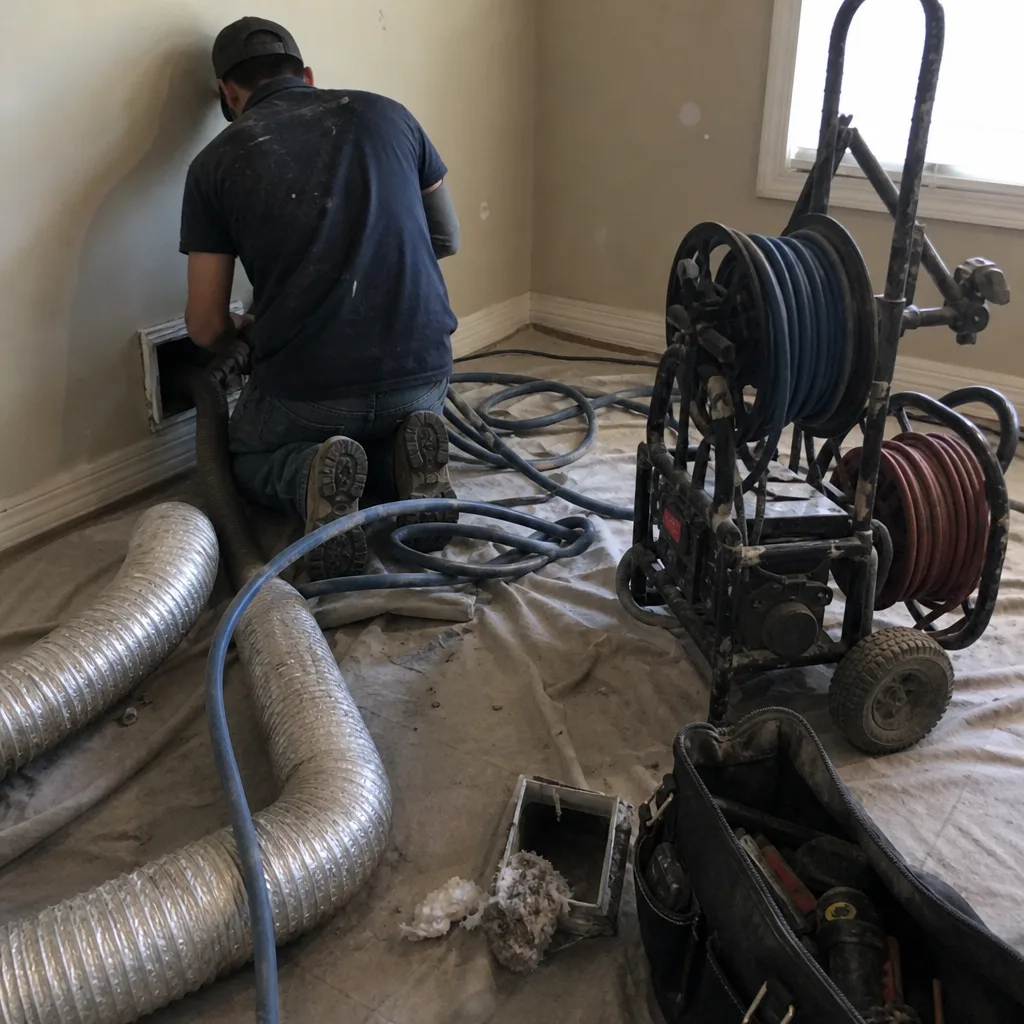 Before
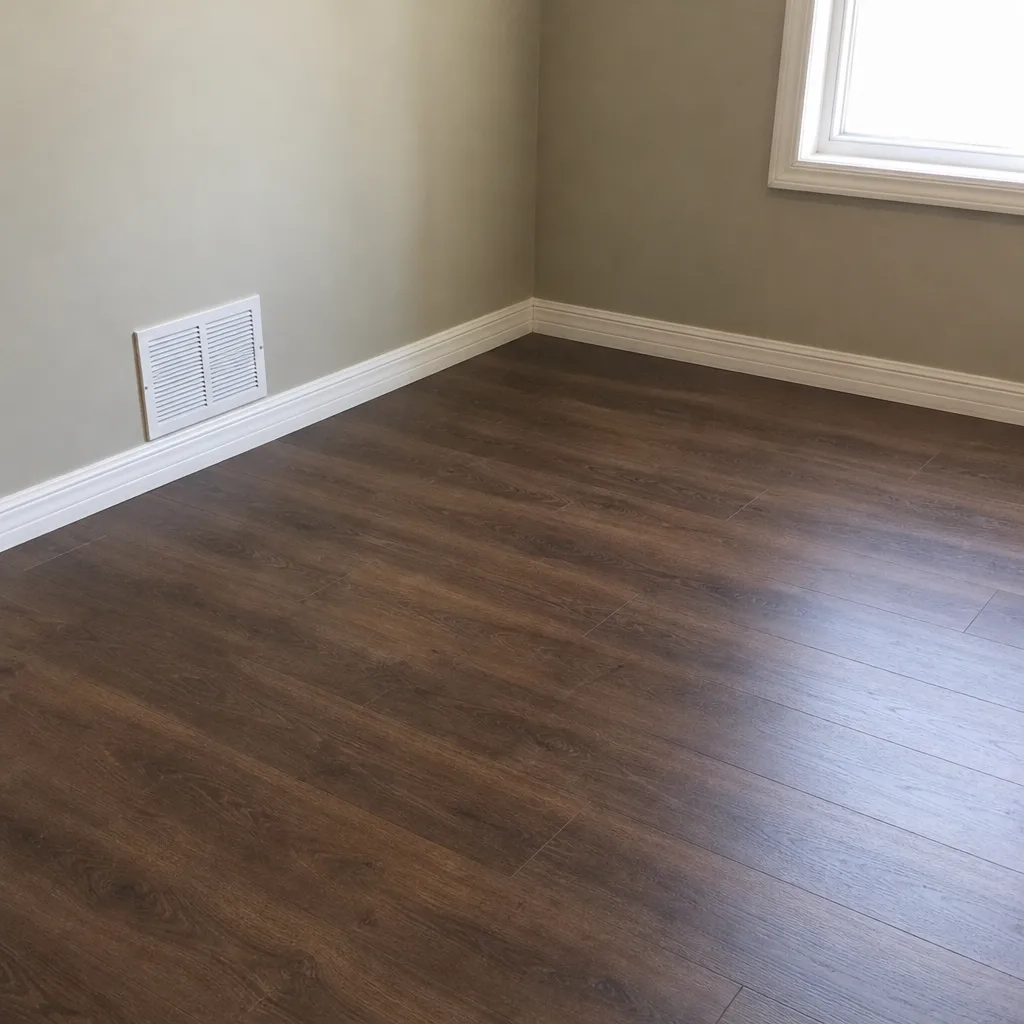 After
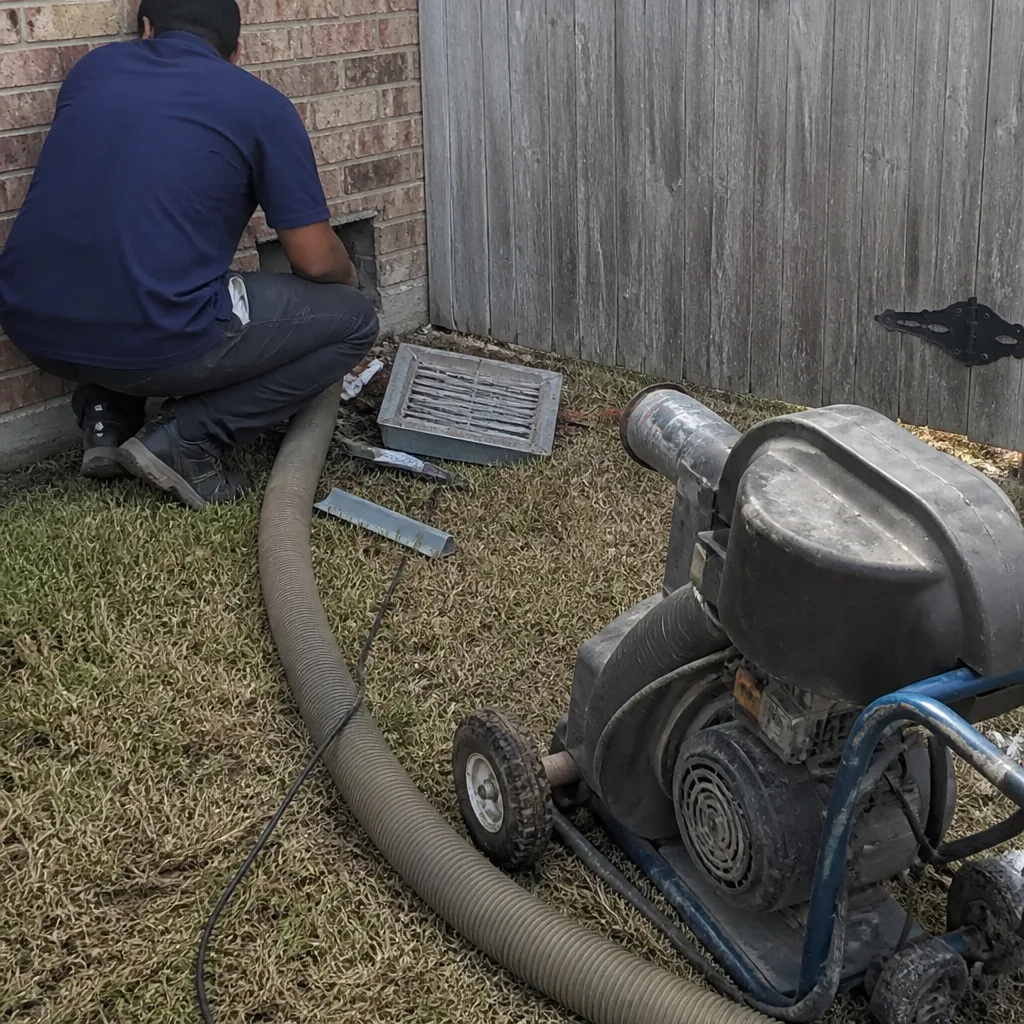 Before
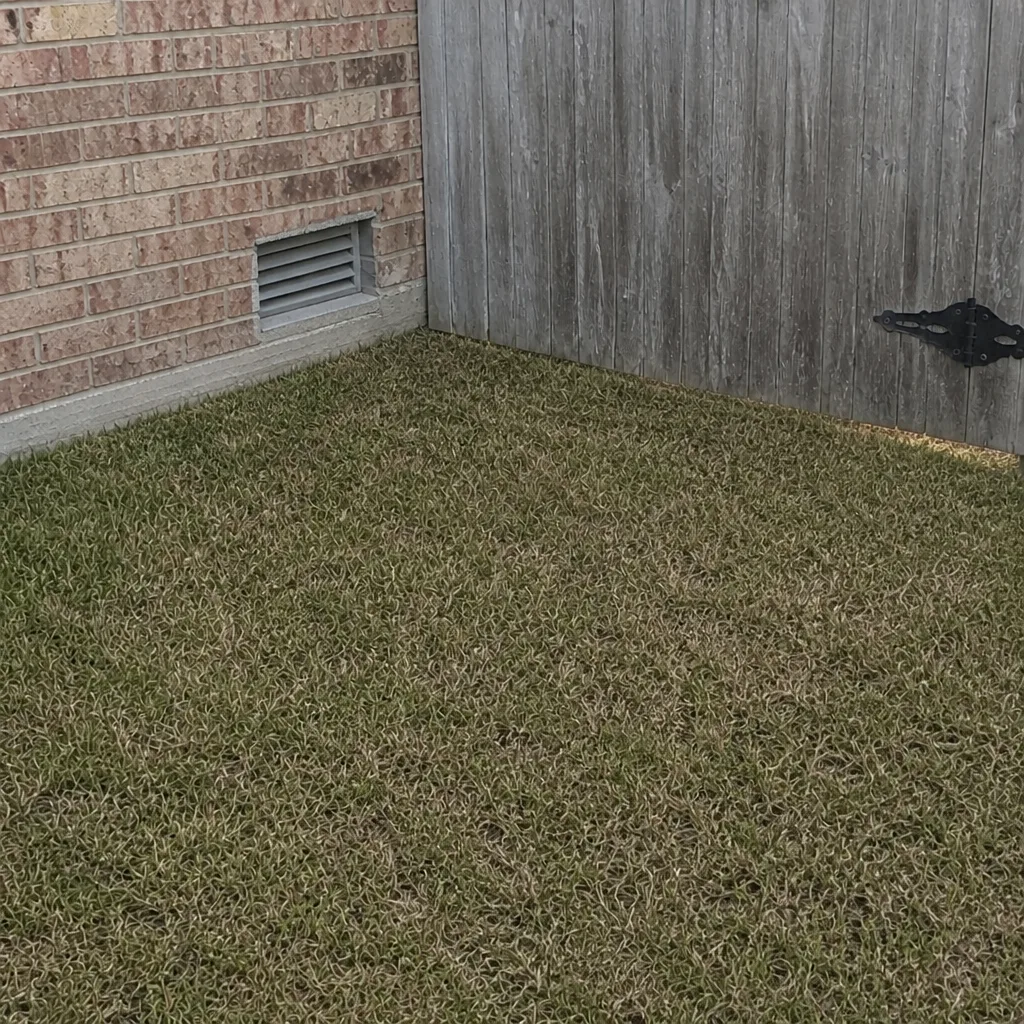 After
 Before
 After