
Last updated November 15, 2026
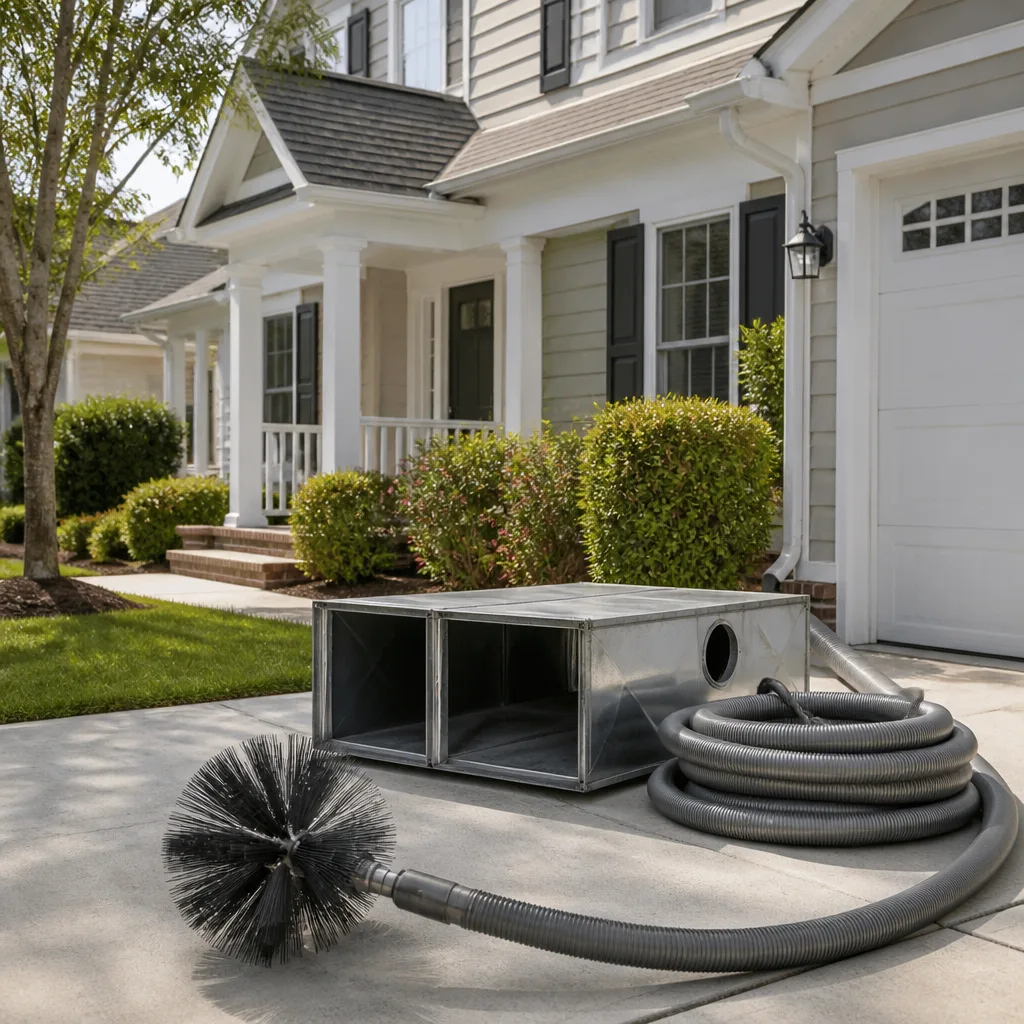 Whole-home duct cleaning
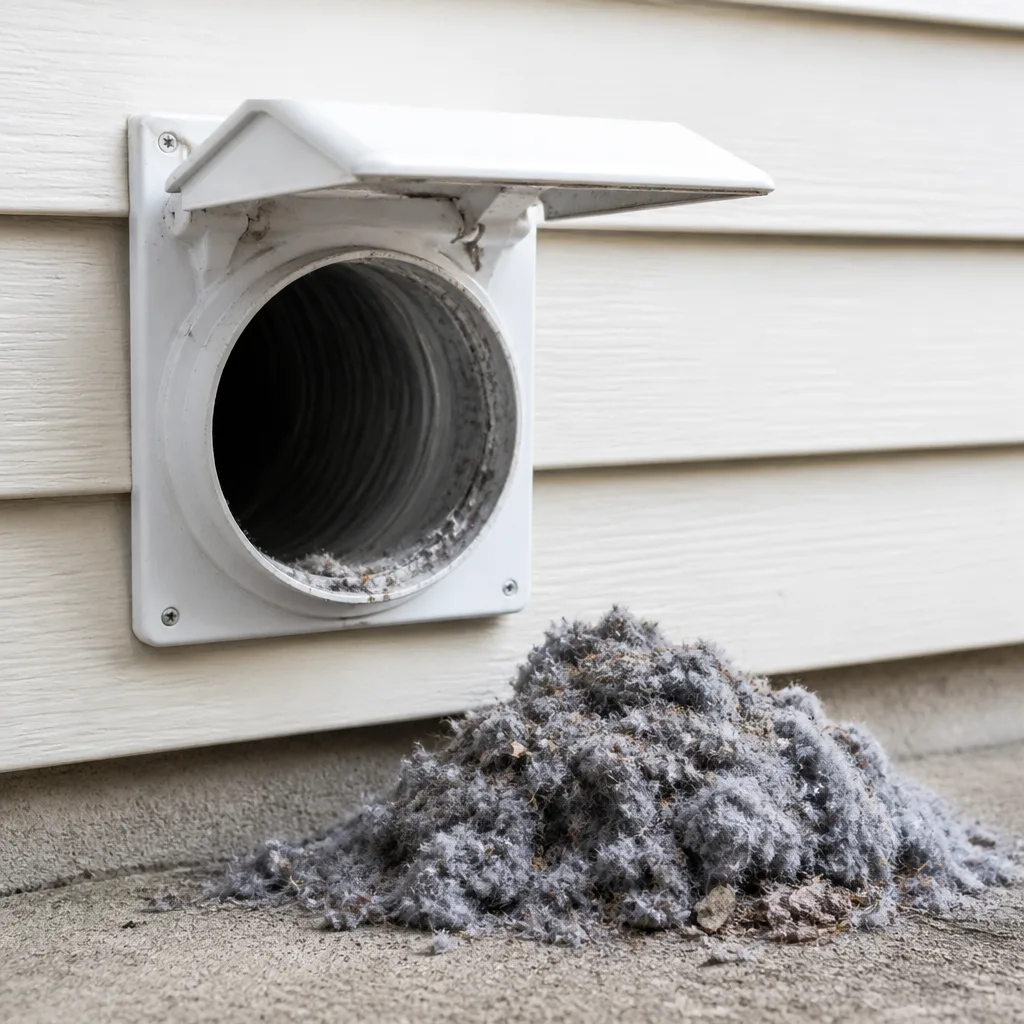 Dryer vent cleaning
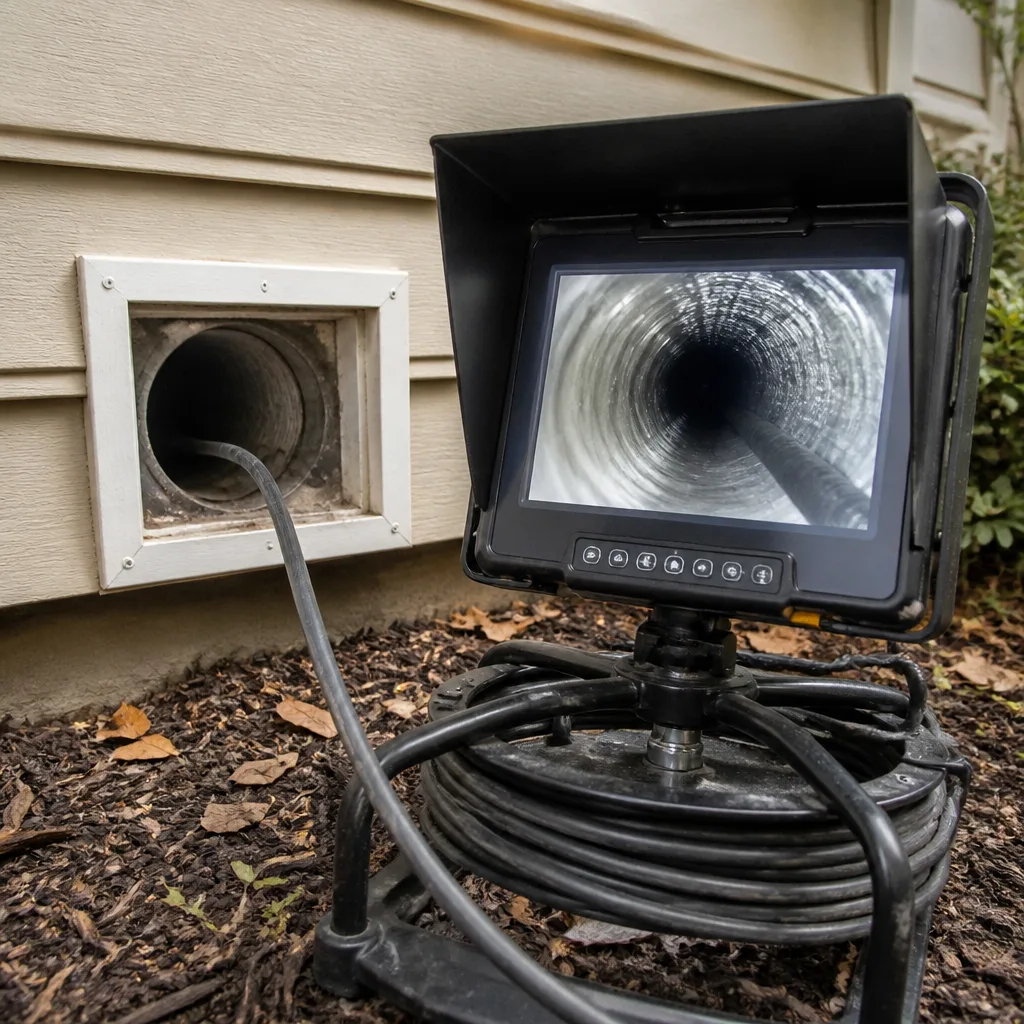 Camera inspection
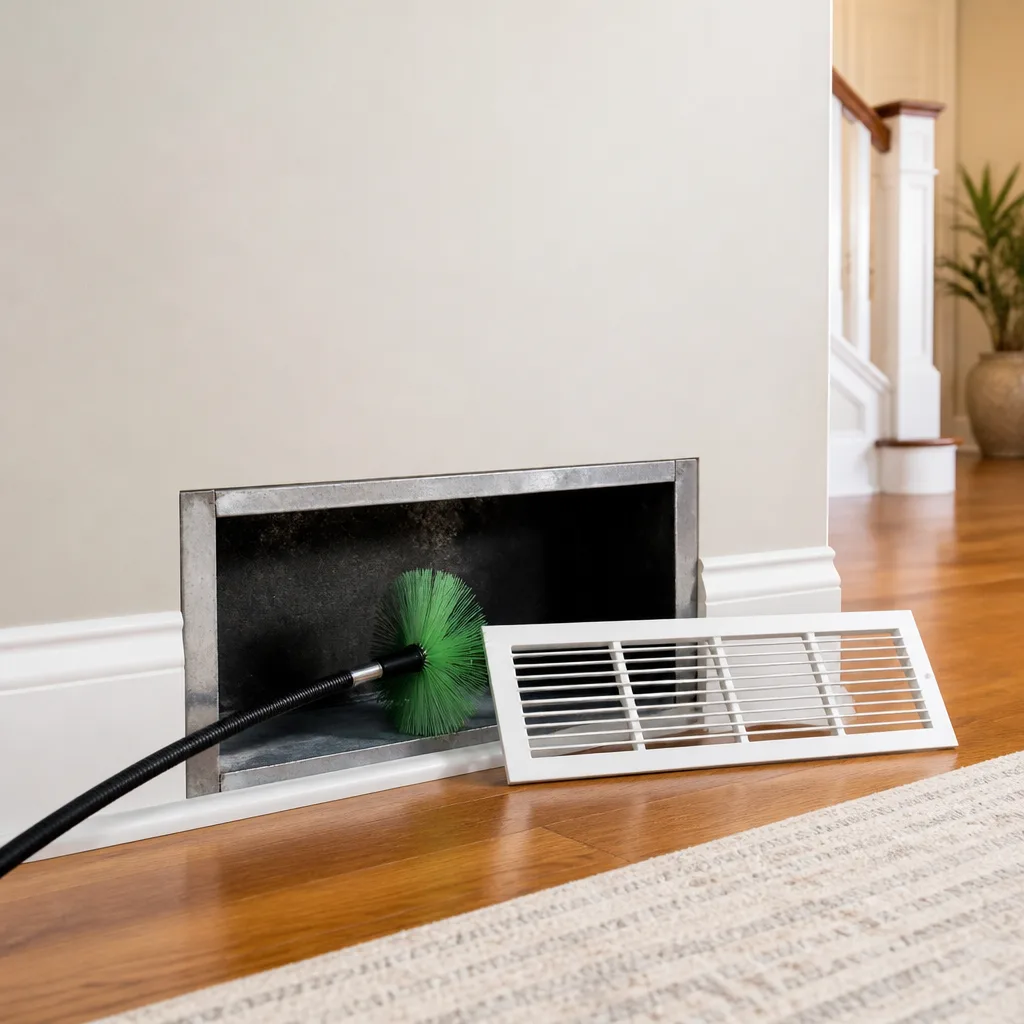 Sanitizing & deodorizing
Whole-system duct and dryer vent check with before-and-after photos - you see exactly what came out of your vents
That "$99 whole-house special" is a bait ad - the real number appears once they are in your hallway, or the "clean" is a shop-vac at the register. We photograph the inside of your ducts before and after instead.
Air Duct Cleaning Maintenance Schedule: What to Do and When
Most homeowners want a number. Three to five years, some say. Others swear by every two. But here’s the counterintuitive part we’ve learned running professional equipment through McKinney homes: a single interval for everyone is guesswork dressed up as a rule. A McKinney house with two shedding dogs, an older flex-duct system, and a thin 1-inch fiberglass filter collects cleaning-worthy debris in under 18 months. A similarly sized home with no pets, newer hard-pipe ducts, and a MERV-11 filter may run four years and still look decent inside. Same town, same square footage, wildly different result. This guide builds your schedule around the conditions that actually drive buildup, not a calendar, and shows you what to do between professional cleanings.
Quick Answer
How often you should clean air ducts depends on four things: pets, smoking, renovation work, and your filter discipline. Monthly filter changes with a quality filter and no pets or smoking can stretch a cleaning interval to three to four years. A pet-heavy home, recent remodel dust, or an older duct system cut that to every 18 to 24 months. In McKinney, the two annual windows where duct load spikes are spring pollen and the fall HVAC switchover. Everything else is homeowner upkeep and documentation.
Styles & brands we work with
- Whole-home duct cleaning
- Dryer vent cleaning
- Camera inspection
- Sanitizing & deodorizing
Table of Contents
- Why a Fixed Cleaning Interval Fails Most Homes
- Your Cleaning Interval Decision Matrix
- What to Do Between Professional Cleanings
- McKinney’s Two Windows: Spring Pollen and the Fall Switchover
- The Post-Renovation Rule: Clean Immediately, No Exceptions
- Documenting Your Ducts So the Next Visit Isn’t Guesswork
- Signs Your Ducts Need Cleaning Sooner Than Planned
- What We Find During Cleaning (and How Repair Fits In)
Why a Fixed Cleaning Interval Fails Most Homes
Debris buildup is a function of inputs, not time. Ducts don’t collect dust uniformly the way the “every 3 to 5 years” advice implies. They collect what the house gives them: shed pet hair, cooking grease, renovation dust, pollen pulled through the return, and whatever the air handler’s filter lets through. Change those inputs and the rate of buildup changes with them.
We think about it this way. The filter is the first line of defense and the ducts are the second. A homeowner in the Historic District running a quality filter and vacuuming return grilles every couple of months will have far less in their ducts after three years than a newer build using the thin builder-grade fiberglass filter that gets swapped once a year. Same town, same weather, different load.
The variables that matter most, ranked roughly by impact:
- Filtration discipline – how often you change the filter and what rating you run. This is the single biggest lever.
- Pets – a shedding dog or cat roughly doubles the load on a return system compared to a no-pet home.
- Renovation activity – drywall dust and insulation particles are fine and stubborn, and no filter catches it all.
- Duct material and age – older flex duct with sagging and seams traps debris where a newer sealed metal or hard-pipe system moves air more cleanly.
- Smoking indoors – smoke residue bonds to duct walls and doesn’t vacuum off the way loose dust does.
Once you know your inputs, you can build a schedule around them instead of guessing. That’s what the next section does.
Your Cleaning Interval Decision Matrix
Score the inputs below. Add up the points and use the resulting interval as your starting target. This is a planning tool, not a hard rule – a visual inspection always wins over a spreadsheet. But it gets you into the right ballpark and stops you from either cleaning too often or ignoring a real buildup problem.
How to Score Your Home
- Pets (shedding): two or more shedding pets = 2 points; one shedding pet = 1 point; none = 0.
- Indoor smoking: regular indoor smoking = 2 points; occasional = 1 point; none = 0.
- Renovation in the past 12 months: major drywall, flooring, or insulation work = 2 points; small touch-ups = 1 point; none = 0.
- Filter rating and habits: thin 1-inch fiberglass changed less than every 3 months = 2 points; mid-grade filter changed regularly = 1 point; MERV-11 or better changed on schedule = 0.
- Duct material: older flex duct unsealed = 2 points; mixed = 1 point; sealed hard pipe = 0.
Reading Your Total
- 0 to 2 points: target a professional cleaning every 3 to 4 years. Keep up the filter discipline and the ducts stay manageable.
- 3 to 5 points: target every 24 months. This is the middle band most McKinney homes with one pet and average filter habits land in.
- 6 to 8 points: target every 18 to 24 months. Consider a whole-home air quality upgrade to move yourself down the scoring scale over time.
- 9 to 10 points: target every 12 to 18 months, and treat any renovation dust as an immediate trigger regardless of the clock. Get eyes on the system sooner rather than later.
One more thing. Scoring high doesn’t just mean cleaning more often – it means giving the system less to trap. A mid-grade filter, sealed return grilles, and a habit of vacuuming registers will pull your score down over time. If you want to move the needle more than a cleaning alone can, brand-name components like Honeywell and Aprilaire filter systems and humidifiers we install are built to reduce the load the ducts see between cleanings.
What to Do Between Professional Cleanings
Between professional visits, your job is small but it matters. The homeowner tasks that protect duct cleanliness aren’t heroic – they’re consistent. Do these and you’ll lengthen the interval between cleanings. Skip them and you’ll shorten it, no matter how well the last cleaning went.
Filter Changes
This is the one most people get wrong. A 1-inch fiberglass filter should be changed every 30 to 60 days in a busy McKinney home. A higher-rated pleated filter can go 90 days. Never stretch a filter beyond three months regardless of rating – a clogged filter stops moving air, strains the blower, and pushes unfiltered dust into the return. Write the change date on the filter edge in marker. You’ll thank yourself later.
Return Grille Vacuuming
Vacuum the return grille face and the visible run just inside it every month or so with a brush attachment. The return is where debris concentrates first, so hitting it before it works its way down the run is the highest-value five minutes you’ll spend on your ducts. Do the same at supply registers – loose dust collects on the fins and around the boot.
Visual Boot Inspections
Every few months, pull a supply register and look at the duct boot and visible interior run with a flashlight. You’re looking for visible dust buildup, moisture stains, or a scratchy gray liner. Note what you see and the date. That visual record is the honest baseline a technician should have when assessing drift at the next cleaning.
A Short homeowner checklist
- Change the filter every 30 to 90 days and write the date on it.
- Vacuum return grilles and supply registers monthly.
- Look inside one accessible boot quarterly and write down the date.
- Note any renovation, water intrusion, or HVAC repair in a simple log.
- Keep your cleaning dates and before/after photos in the same folder (more on this below).
If your ducts, dryer vent, or adjacent systems are the focus, our Duct Cleaning McKinney page is the place to start, but small upkeep like this is what keeps a professional cleaning from being needed every two years.
McKinney’s Two Windows: Spring Pollen and the Fall Switchover
Most of North Texas has two predictable spike windows in the duct-load calendar, and McKinney sits right in them. The first is spring pollen season. The second is the fall HVAC switchover, when the system comes off cooling and turns over to heating. Both are times when duct debris load rises sharply and both are worth planning around.
Spring Pollen Season
In late spring, pollen from trees and grass is at its peak, and a running AC system pulls outdoor air through the return along with everything else. Pollen grains are small enough to ride past many filters, then settle on duct walls where they can collect. If you or anyone in the home has seasonal allergies, spring is the season you notice the difference first. We often hear from McKinney homeowners in April and May that a filter change alone isn’t enough anymore.
The Fall Switchover
When cooling gives way to heating around October, the air handler moves differently and the system’s first heating cycle pushes out anything settled in the ducts over the summer. If dust puffs out of registers on the first heat cycle of the year, that’s the signal. The fall switchover is also a natural inspection point – pull a couple of boots, check the filter, and see whether spring’s load has been sitting there since.
Building Both Into Your Schedule
- Inspect in mid-to-late spring, after the heaviest pollen has passed.
- Inspect again at the fall switchover, right when the first heat cycle runs.
- Schedule a professional cleaning when either inspection shows visible buildup or your score matrix shifts up.
- Note both dates in your log so the next assessment has a starting point.
These two windows don’t replace your interval target. They tell you when the interval has probably shortened more than expected.
The Post-Renovation Rule: Clean Immediately, No Exceptions
Renovation dust overrides every other rule on this page. Drywall dust, joint compound, and insulation particles are fine, they travel on air, and they coat everything inside the ducts. Unlike ordinary house dust, they don’t stay put once the job is done – some of it works its way through the system for weeks afterward. Even a filter can’t catch all of it when the trades are cutting, sanding, and blowing dust all day.
After any project involving drywall, flooring, insulation, or significant sanding, schedule a professional cleaning once the work is finished and the dust has settled. Do not wait for the next scheduled cleaning window even if you had one two months ago. Here is what a proper post-renovation cleaning should include:
Post-Renovation Cleaning Checklist
- Full mechanical agitation of all trunk lines and branch runs to dislodge adhered dust, not just a pass with a vacuum.
- HEPA-filtered extraction so fine drywall particles are captured at the source rather than blown back into the home.
- Return and supply boots pulled and cleaned where accessible.
- Air handler and coil area inspected and cleaned as needed.
- Filter replaced at the end of the job with a fresh one.
- Before-and-after photos of the ducts so the work is verifiable.
We use Rotobrush brush-agitation systems for this because brushing the duct wall is what actually releases adhered drywall dust. A vacuum alone runs right over it. Then Nikro HEPA filtration captures what the brush releases so it doesn’t recirculate through the home. That two-step process is what makes post-renovation cleaning meaningful instead of decorative.
Do Not Skip This If…
- You can see fine white dust on registers or nearby surfaces after the crew left.
- The renovation touched walls, ceilings, or flooring in more than one room.
- The system ran at any point during the dusty phase of the work.
- You’re about to move into a freshly renovated home. Do this before the furniture goes in.
Documenting Your Ducts So the Next Visit Isn’t Guesswork
Most homeowners can’t tell a technician what their ducts looked like after the last cleaning, or when it happened, or whether things looked better or worse. That’s a missed opportunity. A simple documentation habit turns each cleaning into a real data point, and it lets the next assessment measure drift rather than starting from zero every time.
What to Keep
- Date of each cleaning and which contractor performed it.
- Before-and-after photos (or ask for them at the cleaning).
- Filter rating used and change dates between cleanings.
- Any visible buildup encountered at boots and returns.
- The scope of work performed – which lines were cleaned, whether the air handler was included.
- Any repairs or upgrades made during the visit.
Why It Matters
If the ducts looked fairly clean after a cleaning in fall and the next spring inspection shows visible dust at three supply boots, that’s a signal that the load increased faster than expected. Maybe a renovation happened. Maybe the filter got stretched. Maybe a flex duct seam came loose and is pulling attic air. In our experience doing this in McKinney, documentation is what lets a technician compare “this run looked clean last time, now it’s dusty” instead of guessing at the history. It’s also evidence you can use if you ever sell the home and someone wants proof the ducts were maintained.
The best contractors already do this. Before-and-after photos of your own ducts should be standard on any professional job, not an add-on. If a crew doesn’t want to show you what they cleaned, that’s the answer.
Signs Your Ducts Need Cleaning Sooner Than Planned
Even a well-planned interval is a target, not a promise. Some homes show the signs early. If you see two or three of the items below, don’t wait for the calendar – get an inspection.
- Dust settles back on surfaces within a day or two of cleaning. That points to a source in the ducts or return adding to the load faster than normal.
- Visible dust puffs from supply registers when the system comes on, especially on the first heat cycle of the fall.
- A musty or dusty smell in rooms served by the system, particularly after the system sits idle.
- Visible buildup inside a supply boot or return grille when you pull one and look with a flashlight.
- Recent renovation, water intrusion, or a pest issue in the attic or mechanical closet.
- Seasonal allergy symptoms that get worse indoors than out. Worth ruling out duct-related causes.
Any single item on that list is worth a look. Two or more, and the interval you planned isn’t the interval you actually have. A short inspection answers the question in one visit and costs you nothing to find out.
What We Find During Cleaning (and How Repair Fits In)
Cleaning is the best time to find duct problems, because that’s when the insides are visible. A loose flex duct seam, a collapsed run, a disconnected boot, or a damp section with deteriorated liner is often discovered while the brush is working. In our experience cleaning ductwork in McKinney, this is common in older homes where flex duct has been run across attic joists without proper support or sealing.
The problem with the usual arrangement is the handoff. A cleaning crew finds damage and hands you off to another contractor for the repair, which means a second visit, a second quote, and a gap in time where the damage gets worse. That’s the reason we offer Air Duct Repair alongside cleaning: if we find compromised ductwork, we can fix it in the same engagement instead of leaving it for someone else.
Common Findings
- Disconnected or poorly sealed flex duct in the attic.
- Collapsed or pinched runs reducing airflow to a section of the home.
- Duct liner deterioration or visible moisture in a run.
- Bypassed or unfiltered returns pulling attic air directly into the system.
If the damage is significant, we’ll show you the evidence and talk through options before anything is done. If it’s small, we handle it during the cleaning visit. The point is not to turn every cleaning into a repair – it’s that a repair found should be a repair handled, not a referral.
The other system worth checking while we’re there is the dryer vent. Lint buildup is one of the leading causes of residential fires, and the duct cleaning visit is a natural time to have dryer vent cleaning addressed too. Different system, same principle: know the condition, act on what you find.
Common Mistakes to Avoid
- Stretching the filter interval past three months. A clogged filter stops moving air and strains the blower while letting unfiltered dust into the return, which accelerates duct buildup. Change it on schedule or move to a lower-maintenance filter setup.
- Using a bargain cleaning quote as the deciding factor. Compressed-air “cleaning” with consumer-grade gear agitates dust and then lets it settle back. What you actually want is mechanical brushing plus HEPA extraction, and the price reflects what’s being done.
- Skipping post-renovation cleaning because the last cleaning was recent. Drywall dust doesn’t care about the calendar. Any project involving walls or flooring is an automatic trigger.
- Ignoring a single visible problem. One disconnected flex duct in a McKinney attic can bypass filtration for the whole system. Fix small problems when they’re small.
- Cleaning without keeping the record. Without dates, photos, and notes, each cleaning is disconnected from the last. You lose the ability to see drift over time.
- Assuming the spring pollen window and the fall switchover are the only times to look. They’re the predictable spikes, not the only ones. A renovation, pest issue, or HVAC repair resets the clock.
- Treating the dryer vent as a separate decision. Lint accumulates on its own schedule and is a real fire risk. Check it at the same time or lose track of it.
See the difference
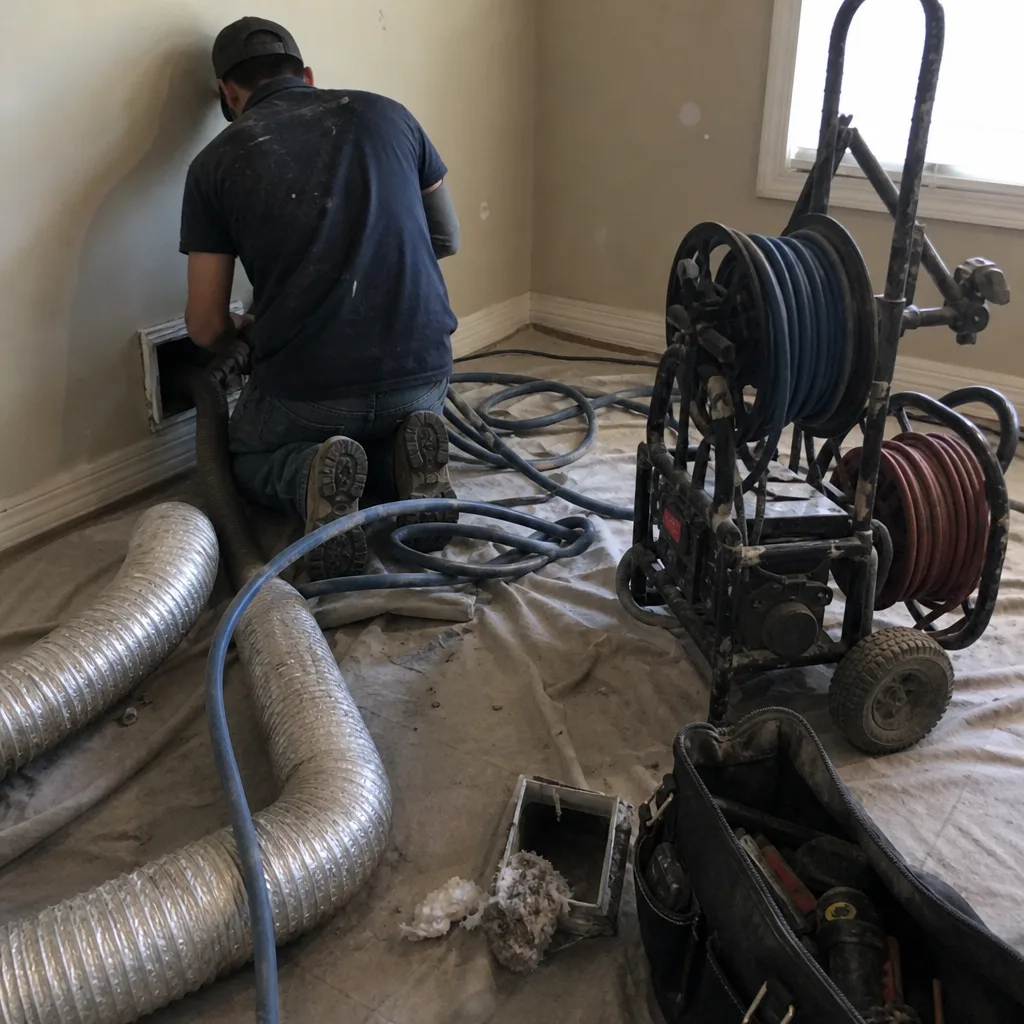 Before
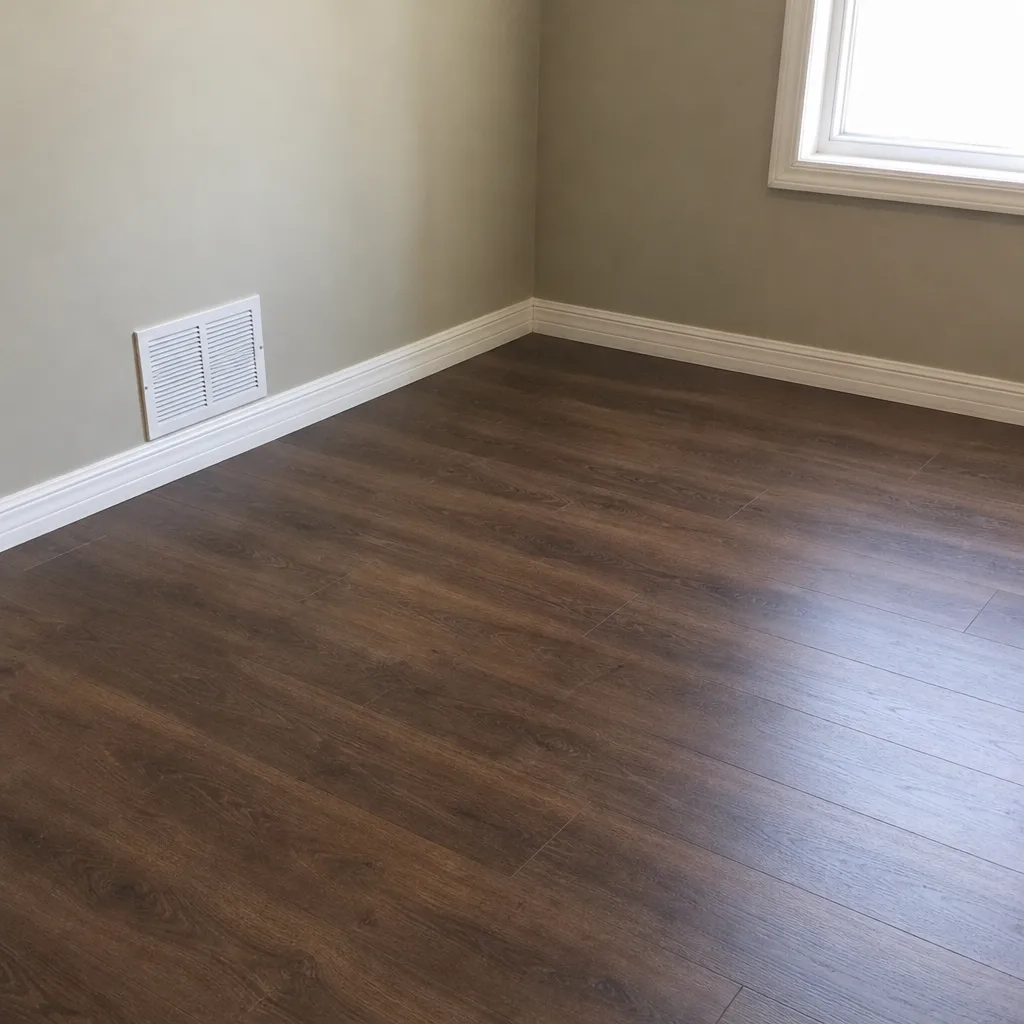 After
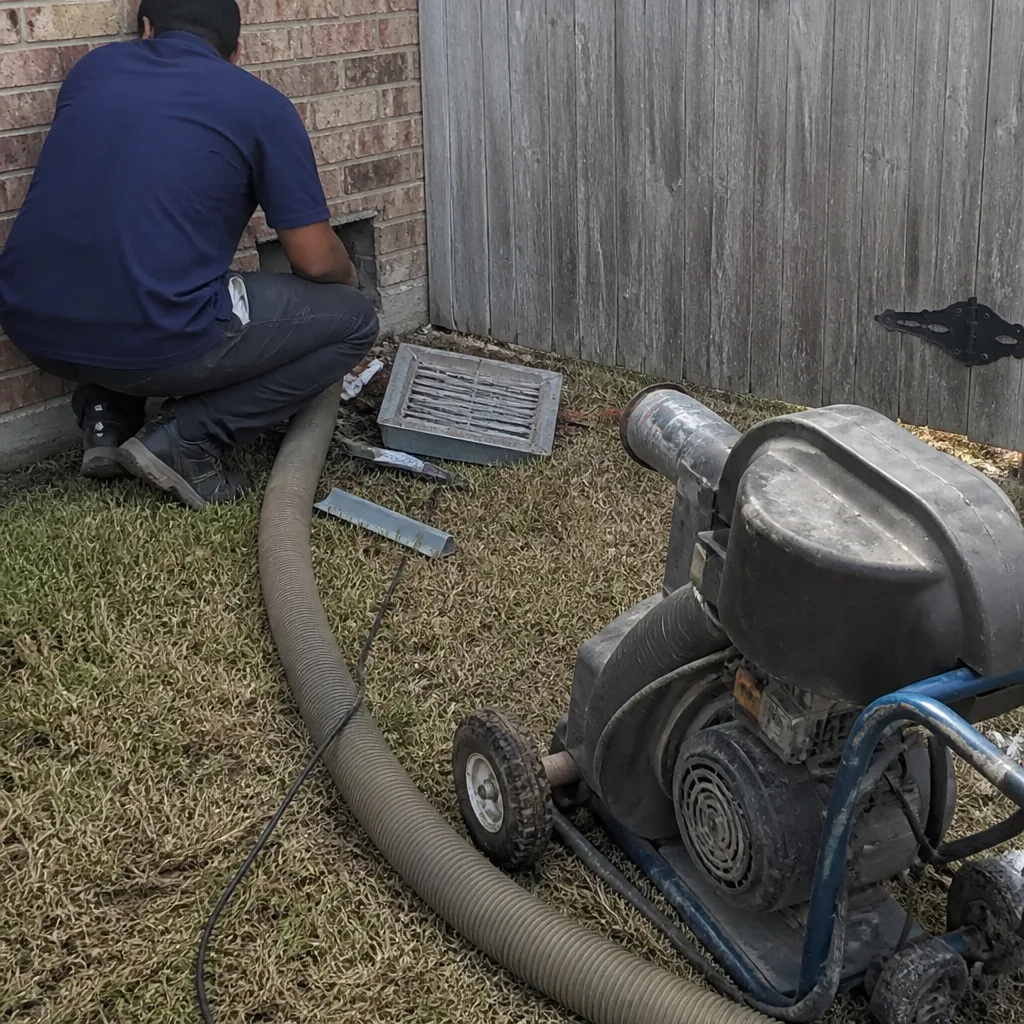 Before
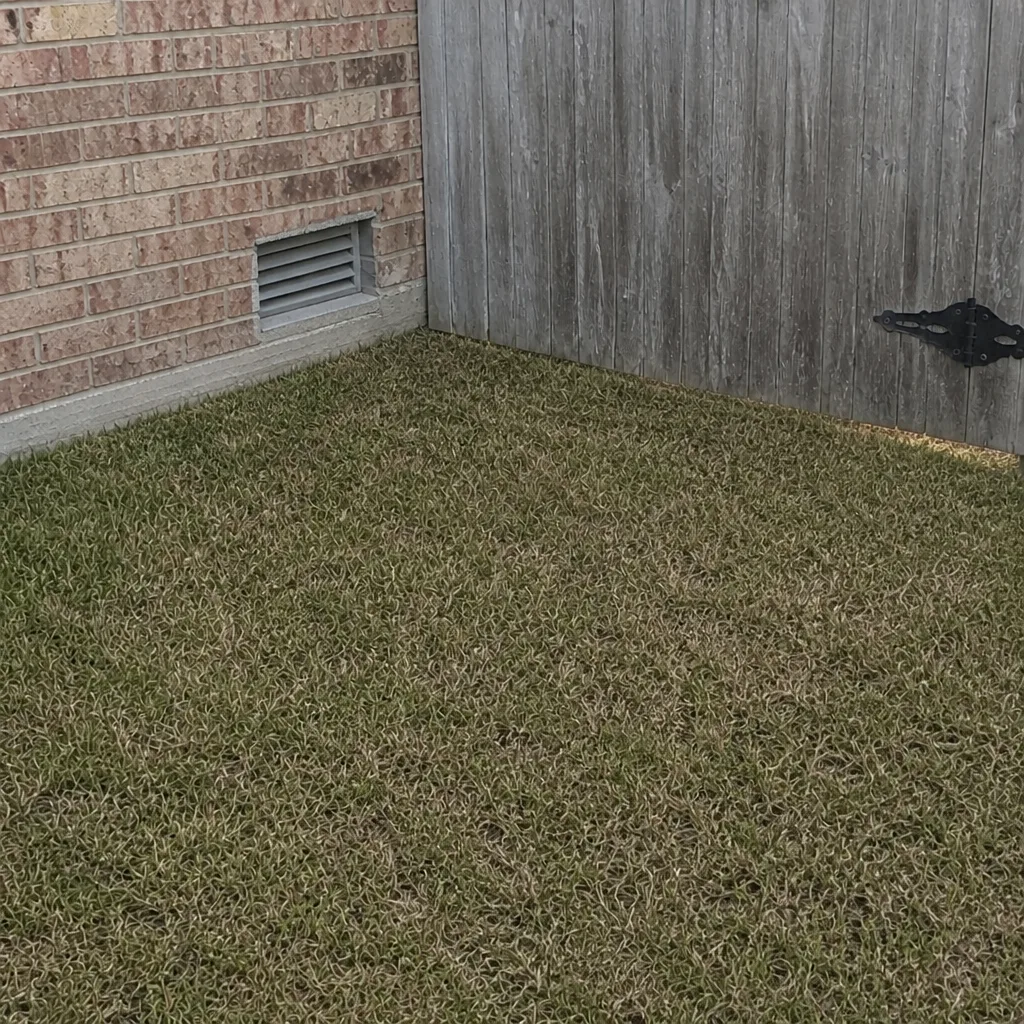 After
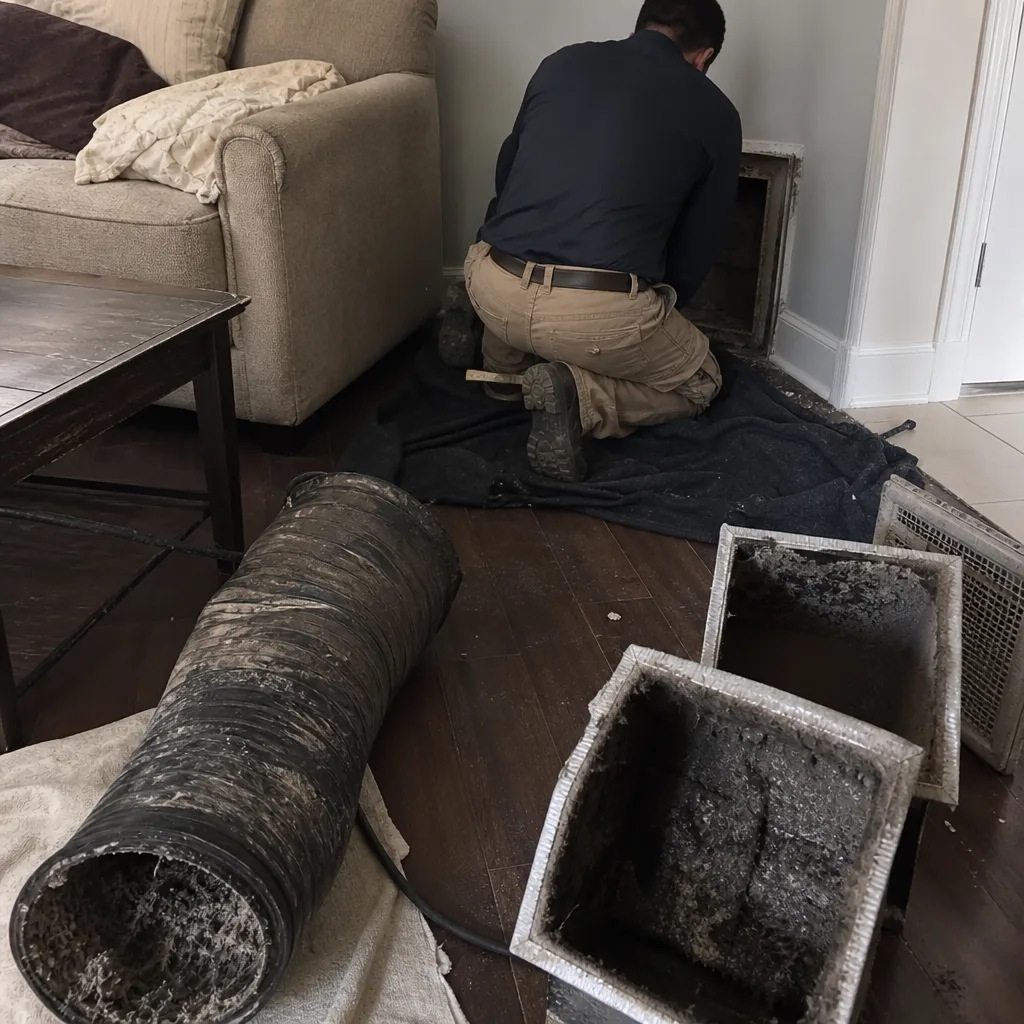 Before
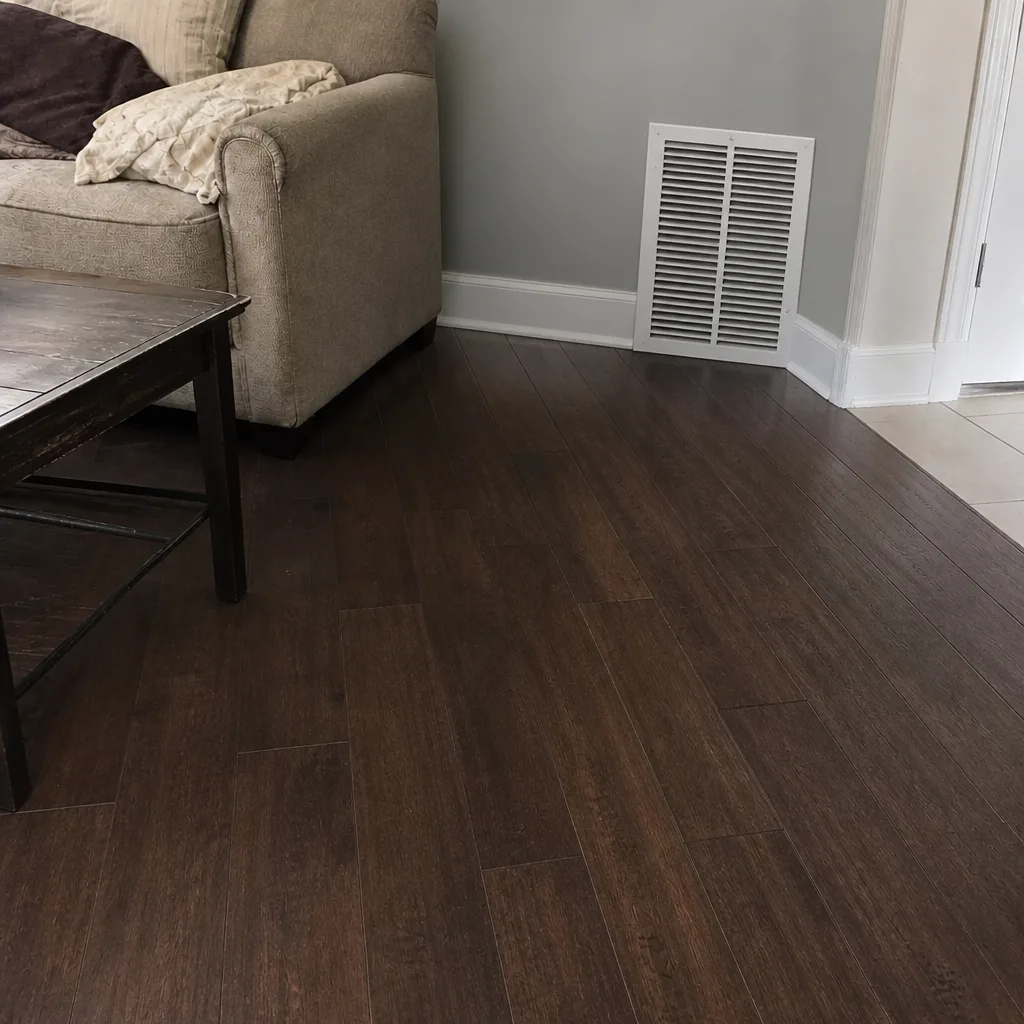 After
When to Call a Professional
You can handle filter changes, grille vacuuming, and boot inspections yourself. Call a professional for the actual cleaning, for post-renovation cleanup, after any water intrusion or pest activity, and any time what you see inside the ducts makes you unsure. If you’re finding loose flex duct, visible liner damage, or repeated dust at the same registers after cleaning, that’s a repair scenario, not just a cleaning one. Duct Cleaning McKinney offers free estimates in McKinney – call (866) 361-7225. We answer 24/7, and fast dispatch runs from 7am to 7pm, Sunday through Friday. Our technicians have up to 13 years of experience.
Frequently Asked Questions
Most McKinney homes land on a target of every 24 months when they have one shedding pet and average filter habits, but that number shifts with the inputs. Score your pets, smoking, renovation history, filter MERV rating, and duct material using the matrix above. A high score can shorten the interval to 12 to 18 months while a low score can stretch it to three or four years. Call (866) 361-7225 for an exact quote – estimates are free.
Yes, and in McKinney it’s one of the two most predictable load spikes of the year. Tree and grass pollen ride in on outdoor air through the return and settle on duct walls, and small grains pass many filters. The heaviest window is late spring, so an inspection right after that peak tells you what the system has actually taken on. Call (866) 361-7225 for an exact quote – estimates are free.
Usually because they’re not doing the same work. A consumer-grade vacuum passed over the duct mouth agitates dust and can let it recirculate, and compressed air alone doesn’t dislodge adhered debris from duct walls. Rotobrush brush agitation plus Nikro HEPA extraction is a different process with different equipment, and a two-step approach costs more than a one-step vacuum pass. Call (866) 361-7225 for an exact quote – estimates are free.
Ask for before-and-after photos of your own ducts along with the written scope of work. Professional crews already produce them. If a contractor won’t show you the inside of your ducts before and after, that tells you a lot about what happened in between. A single flat price agreed before the work starts is also a useful signal that the scope is clear. Call (866) 361-7225 for an exact quote – estimates are free.
No. Drywall dust and insulation particles are fine, adhesive, and travel with air, so they settle throughout the duct system regardless of when the last cleaning was. Any project involving walls, ceilings, flooring, or insulation is a trigger for a follow-up cleaning once the dust has settled. Call (866) 361-7225 for an exact quote – estimates are free.
We tell you and we fix it. Our service scope covers air duct cleaning, air duct repair, and dryer vent cleaning, so compromised ductwork found during a cleaning doesn’t need a second contractor and a second quote. You’ll see the evidence before anything is repaired. Call (866) 361-7225 for an exact quote – estimates are free.
The Bottom Line
There’s no single correct interval for every McKinney home. Score your inputs – pets, smoking, renovation history, filter rating, duct material – and let the total set the target. Then do the small things between cleanings that keep the load down: change filters on time, vacuum return grilles, and put a flashlight inside one boot every few months. Plan around the two annual spikes (spring pollen and the fall switchover), clean immediately after any renovation, and keep a simple record of dates and photos so the next visit measures drift instead of guessing. A professional cleaning done with Rotobrush agitation and Nikro HEPA extraction is worth scheduling when the conditions call for it, not before and not after.
We connect McKinney homeowners with independent local professionals who handle cleaning, repair, and dryer vent safety as one scope. Estimates are free, the price is set per job by the written estimate, and it’s the same whether the work happens in an hour or takes more of the day. Call (866) 361-7225 to book. We answer 24/7, with fast dispatch from 7am to 7pm, Sunday through Friday.
Written by the team at Duct Cleaning McKinney.