
Last updated November 15, 2026
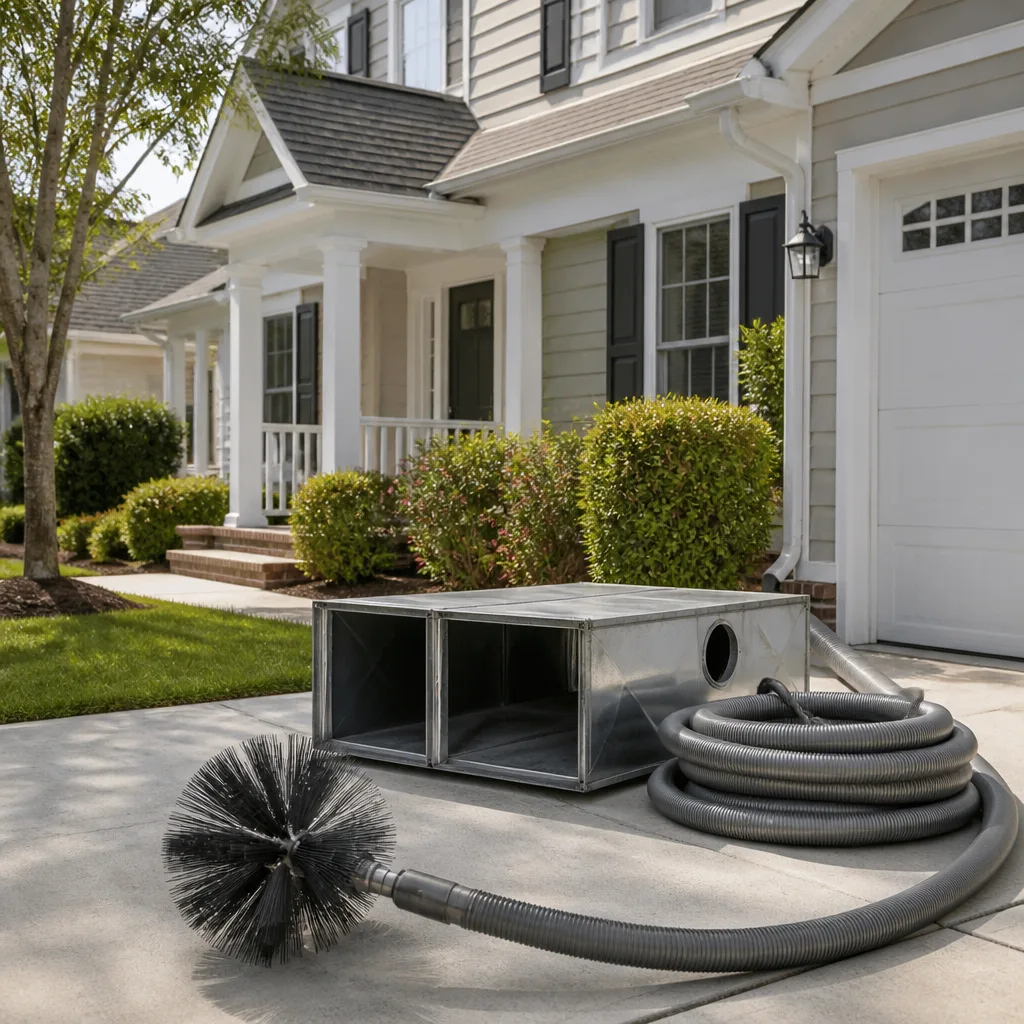 Whole-home duct cleaning
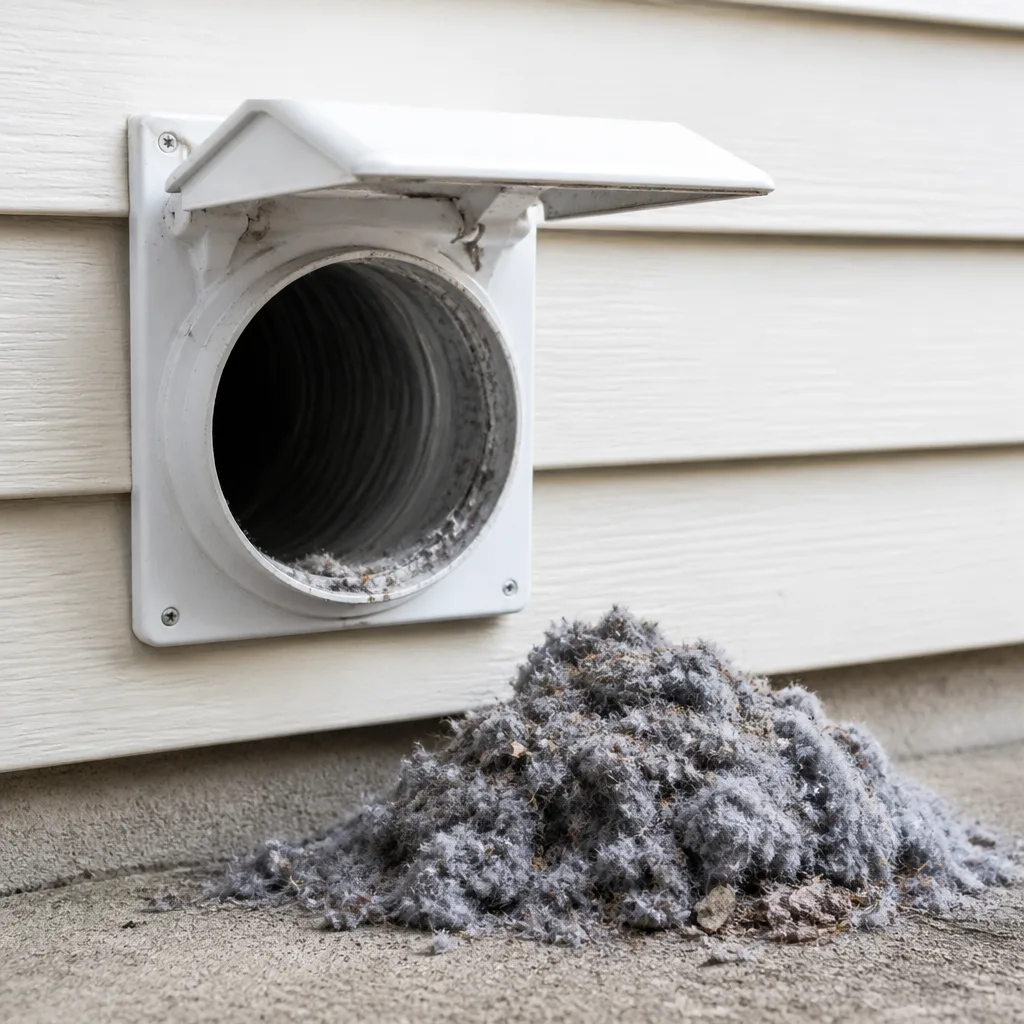 Dryer vent cleaning
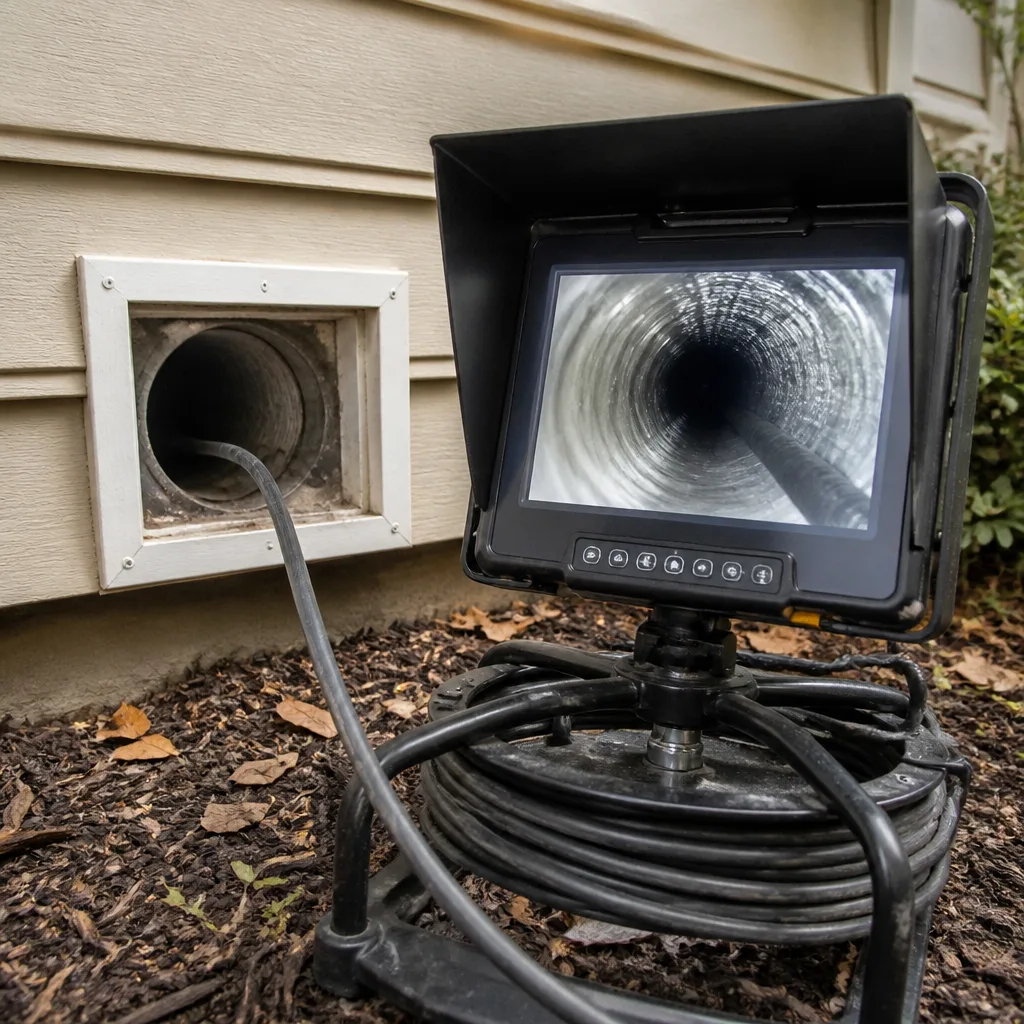 Camera inspection
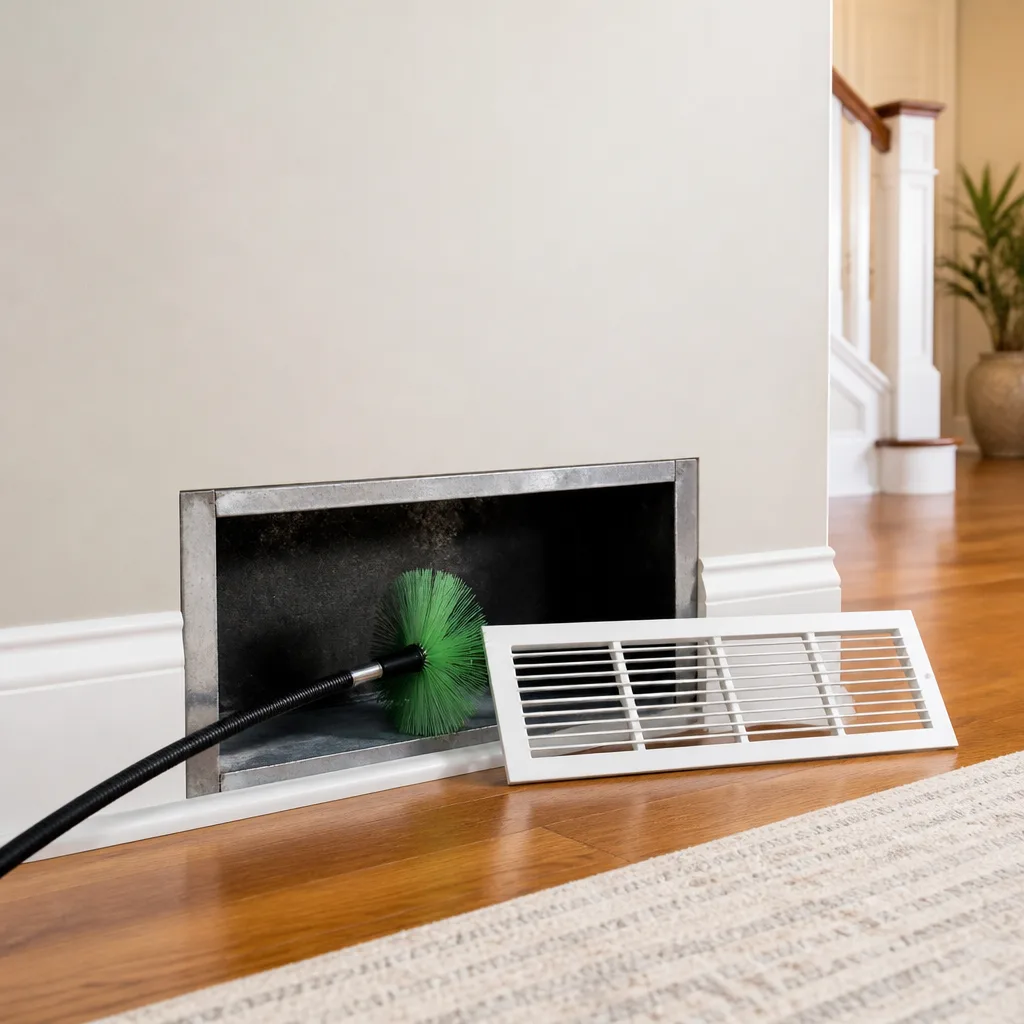 Sanitizing & deodorizing
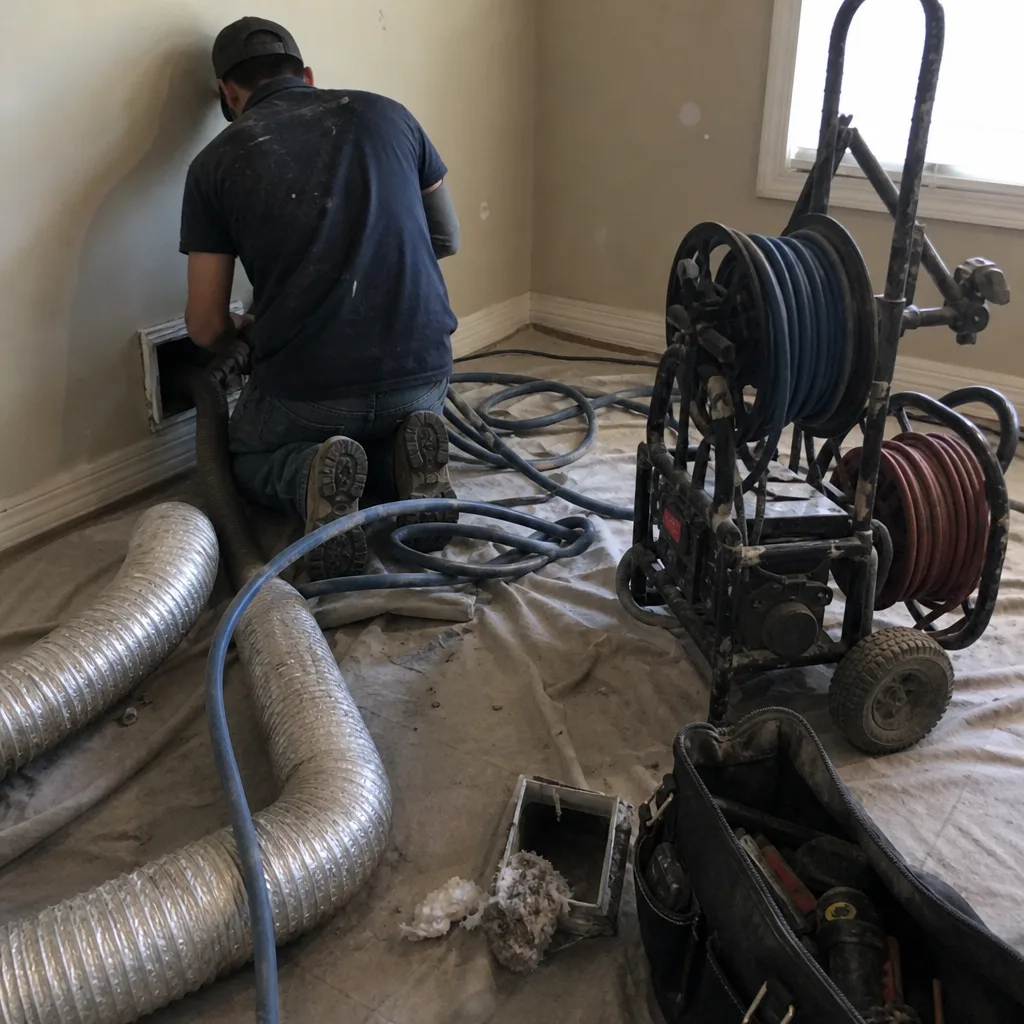
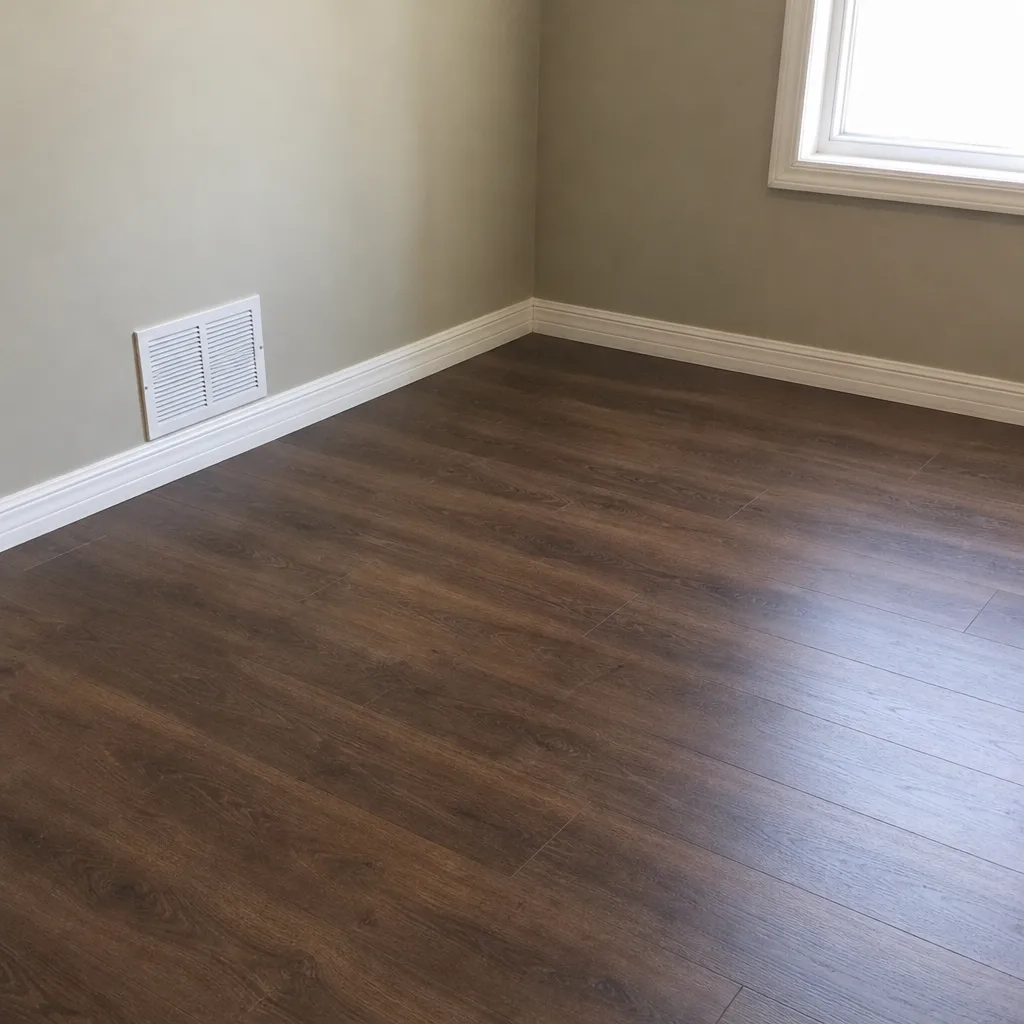
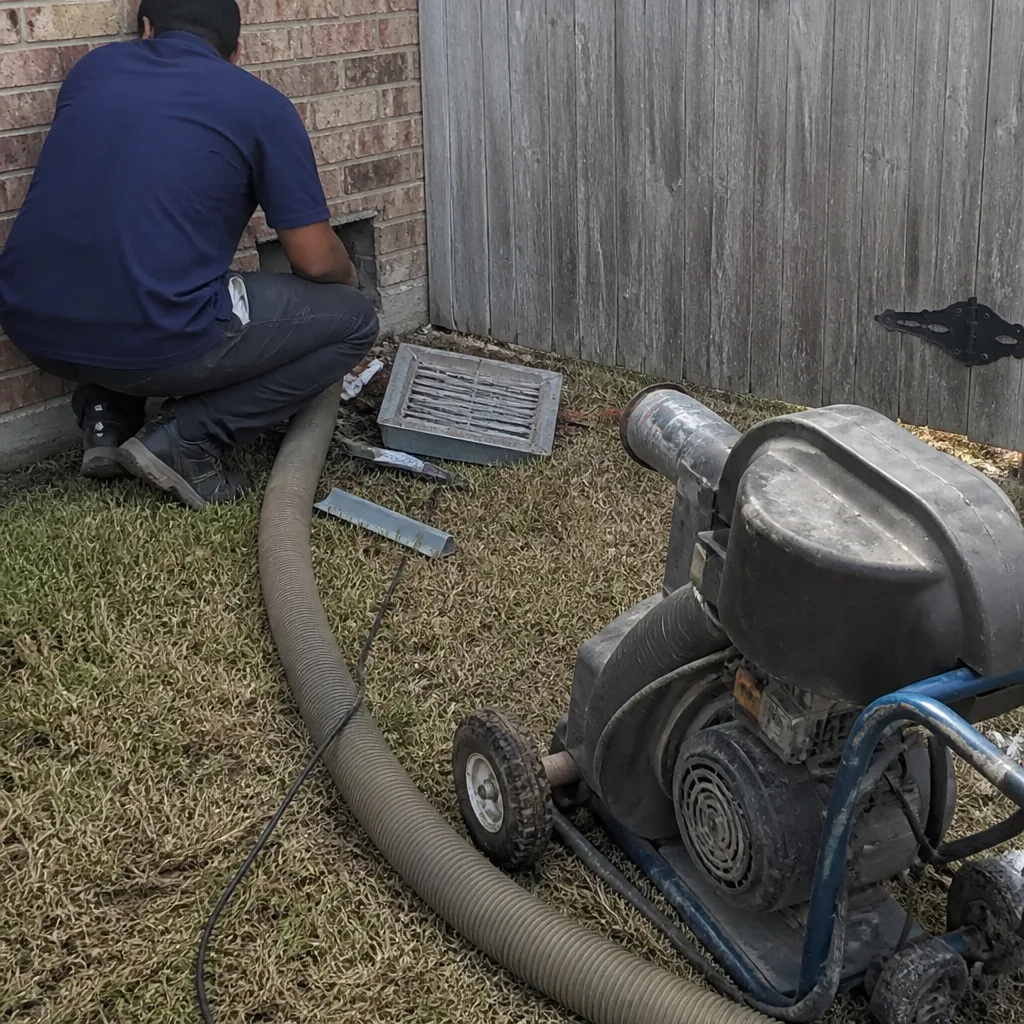
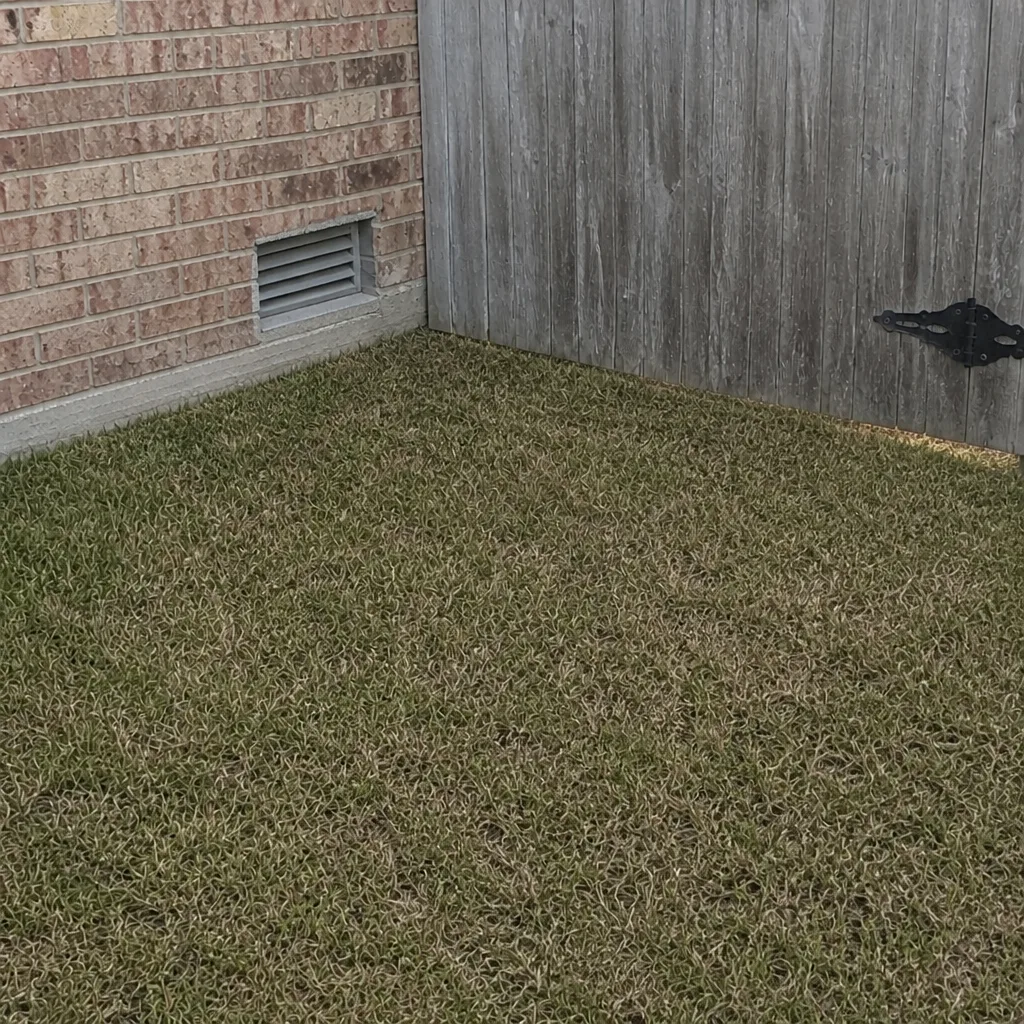
Whole-system duct and dryer vent check with before-and-after photos - you see exactly what came out of your vents
That "$99 whole-house special" is a bait ad - the real number appears once they are in your hallway, or the "clean" is a shop-vac at the register. We photograph the inside of your ducts before and after instead.
Choosing the Right Air Duct Cleaning Brand: A Buyer’s Guide for McKinney
Most homeowners shopping for duct cleaning in McKinney compare two things: the price on the quote and the tone of the sales pitch. Both are easy to fake. Equipment is not. The brand of machine a contractor wheels through your front door is a technical disclosure, whether they mean it that way or not. Professional-grade gear costs real money to buy and real training to run well, so a company still using it years into the job is telling you something a low-bid outfit can’t. Rotobrush, Nikro, and Abatement Technologies are the names that show up in professional contractor inventories. If you can’t find any equipment brand named on a contractor’s website or in their written quote, that silence is information too. This guide teaches you to read equipment specs the way a technician does, so the next estimate you accept is one you actually understand.
Quick Answer
The right air duct cleaning brand for your McKinney home is the one that names its equipment and can show it: a Rotobrush agitation system plus a Nikro or Abatement Technologies HEPA vacuum, used together in one pass, not a shop vac and a promise. Ask for the make and model, ask to see the machine before it starts, and treat a quote with no equipment brand named as an incomplete bid. Professional tooling is the clearest single signal that separates a real duct specialist from a general handyman with a hose.
Styles & brands we work with
- Whole-home duct cleaning
- Dryer vent cleaning
- Camera inspection
- Sanitizing & deodorizing
Table of Contents
- Why Equipment Naming Is the Most Honest Thing on a Quote
- What Rotobrush Systems Do That Generic Rotary Brushes Don’t
- Why HEPA Filtration Changes the Economics of a Cleaning Job
- What Abatement Technologies Equipment Adds: Containment and Negative Air
- How to Verify Equipment Claims Before and During the Job
- Why Equipment Investment Correlates with Contractor Seriousness
- When Cleaning Turns Into Repair: Why First-Party Service Matters
- The Questions That Separate a Pro from a Pretender
Why Equipment Naming Is the Most Honest Thing on a Quote
Any contractor can write “professional air duct cleaning” on an invoice. Only a contractor who actually owns a Rotobrush or a Nikro HEPA unit can tell you the brand, the model, and how it handles a return trunk in a two-story McKinney home. That’s the disclosure worth listening for. Equipment naming is verifiable in a way that adjectives never are.
Here’s what happens with bargain operators: they show up with a rented consumer vacuum, run a hose through a few registers in a burst pattern, and leave. Some of that debris ends up in your vacuum bag. More of it ends up loosened from the duct walls and settling back into the supply run once the fan comes on again. It’s not a scam in the sense of doing nothing. It’s a scam in the sense of doing half a job and calling it done. That’s why the entry price on the quote and the actual result diverge so sharply in this industry.
The honest comparison for McKinney homeowners:
- Consumer vacuum: $150 to $400 at a hardware store. No agitation. No HEPA containment. Typically one motor, one filter, minimal reach.
- Rotobrush brush-agitation system: contractor-grade equipment built specifically for the residential duct trade. Simultaneous agitation and vacuum capture in one drive-through.
- Nikro HEPA vacuum: certified filtration that traps particulates during extraction, not after they’ve been stirred up and dispersed into the room.
- Abatement Technologies negative-air units: the same class of equipment specified in mold remediation and disaster restoration. Used to create containment, not just airflow.
None of these are cheap. That’s the point. A business that can’t afford to buy the tools can’t afford to run them, which means the low bid on your McKinney quote is almost certainly coming from a consumer-grade setup. For the full picture of how these service tiers differ in practice, see our guide to air duct cleaning.
What Rotobrush Systems Do That Generic Rotary Brushes Don’t
Rotobrush is a brush-agitation system that does two things at once: it mechanically breaks debris off the duct walls while the vacuum captures it in the same pass. A generic rotary brush that only spins without integrated vacuum extraction is moving dirt around, not removing it. The distinction matters more than the marketing around it usually explains.
Think about what’s actually inside a residential duct run after a few North Texas cooling seasons. Dust, pet hair, pollen, and the fine particulates that come with new construction and renovation. McKinney has seen a lot of new build over the past decade, and new-build ductwork frequently arrives with drywall dust and construction debris already in the system before anyone turns on a fan. That layer doesn’t lift with suction alone. It clings to the metal or flex duct wall, sometimes lightly, sometimes with enough adhesion that a vacuum passes over it clean.
The Rotobrush approach solves for adhesion. The brush head physically contacts the duct interior, spinning and pulling debris free from the surface, while the vacuum pulls it into the machine’s capture system before it can re-suspend. In a McKinney home, that’s the difference between a duct that’s been cleaned and a duct that’s been persuaded to look clean for a week. Our technicians have up to 13 years of experience with this class of equipment, and the pattern is consistent: the visible change in the supply register is the least interesting part of the job. The real work happens where the brush meets the duct wall, out of sight.
Here’s how to check whether a contractor is running a Rotobrush-class system or a lookalike:
- Ask for the make and model of the agitation tool they’ll use. A real Rotobrush operator knows it instantly.
- Ask whether the brush and vacuum run simultaneously or in two separate passes. Simultaneous is the standard for professional-grade work.
- Ask what happens to the dislodged debris during agitation. A vague answer means the capture step is missing.
If you’re near the McKinney historic district or in one of the newer developments off Custer Road, the age of your duct system changes the difficulty of the job but not the tool requirement. Same equipment, different job complexity.
Why HEPA Filtration Changes the Economics of a Cleaning Job
Dislodging debris is half the work. Capturing it so it doesn’t end up in your living room air is the other half. Nikro HEPA-rated vacuuming is specified for residential duct cleaning specifically because the capture step is where cheap setups fail most loudly.
A vacuum without certified HEPA filtration will pull debris out of the duct, but the exhaust air can carry fine particulates back into the room. In practical terms, that means a homeowner in McKinney who schedules duct cleaning for allergy or air-quality reasons can end up with a temporary spike in airborne particulate instead of a reduction. That’s the opposite of what they paid for, and it’s exactly what happens when a contractor uses a consumer shop vac and calls it a duct cleaning.
Nikro HEPA equipment does three things that matter:
- Traps particulates during extraction, not after. Certified filtration means the air leaving the machine is filtered to a spec, not “best effort.”
- Handles volume without breaking the filter. Residential duct runs aren’t clean rooms. Contractor-grade filtration is built to tolerate the load.
- Pairs with agitation. The brush loosens debris; the HEPA vacuum captures it in the same moment. A two-step process with nothing skipped.
The economic reality: a consumer vacuum that’s been fitted with a “HEPA-like” filter is not the same as a certified HEPA vacuum. The cost difference between those two machines is substantial, and that cost is reflected in the bid. A contractor quoting a suspiciously low number for a full house in a McKinney neighborhood like Stonebridge Ranch is, in almost every case, running the first category of equipment, not the second. We clean ducts the way restoration professionals do, because the alternative has a visible failure mode.
What Abatement Technologies Equipment Adds: Containment and Negative Air
Abatement Technologies negative-air machines are specified for mold remediation and professional disaster restoration because they do something a cleaning vacuum can’t: they create negative pressure that contains airborne contaminants inside a defined work zone instead of letting them drift into the rest of the building. On a residential duct cleaning job, that capability isn’t overkill. It’s the difference between cleaning a system and disrupting one.
The scenarios where this matters most in McKinney:
- Post-renovation cleanups. Drywall dust, sawdust, and insulation fibers get pulled into the return system during a remodel. Negative-air containment keeps them from migrating into finished rooms when the system is turned back on.
- Older homes with suspected contamination. Some McKinney properties with older ductwork have visible staining or smell issues around registers. Restoration-grade equipment treats those jobs more carefully than a standard cleaning.
- Commercial spaces. Larger systems and shared commercial HVAC runs need the same containment logic that restoration contractors use on water and mold jobs.
Standard cleaning units move air and capture debris. Negative-air restoration equipment moves air in a controlled direction and holds it there. For most residential jobs, the combination of Rotobrush agitation and Nikro HEPA capture is sufficient. On jobs where there’s visible contamination or a recent renovation, the Abatement Technologies piece adds a layer of protection that a homeowner would notice if the equipment were absent. That’s not a sales pitch. It’s the reason the equipment exists in this category, and it’s worth asking about before any cleaning starts on a McKinney home with recent construction dust still in the system.
If you’ve recently finished a renovation and you’re scheduling a dryer vent cleaning alongside the duct work, mention the renovation timeline when you call. The containment plan for the visit changes when there’s construction debris in the system.
How to Verify Equipment Claims Before and During the Job
Equipment claims on a website are worth what the machine in your driveway says they’re worth. Here’s how to verify before you sign anything, in the order that saves you the most time:
- Ask for the equipment list in the written quote. A professional contractor can name the agitation system, the vacuum, and any containment equipment they’ll bring. If they can’t, they’re not bringing it.
- Ask for a photo of the actual machine they’ll bring. Not a stock image, not a logo. The machine itself.
- Ask them to walk you through the two-step process. Agitation, then HEPA capture. If the answer describes “vacuuming the ducts” without mentioning agitation or filtration, the equipment claim is marketing, not reality.
- Confirm they’ll show you the equipment before it starts. A professional operator has no reason to refuse this. It takes thirty seconds and it establishes the job standard for the rest of the visit.
- Ask what happens if they find damage during the work. This is where the equipment conversation connects to the repair conversation. A company that can’t repair ductwork in the same visit is going to end the cleaning early if they find a compromised run.
Once the work is underway, the verification doesn’t stop. Look at the machine. Listen for the agitation cycle. Watch where the exhaust air goes. If the exhaust is venting into your living room instead of a HEPA capture chamber, the job is not being done to a professional standard, no matter what the invoice says.
Why Equipment Investment Correlates with Contractor Seriousness
There’s a reason bargain duct cleaning operators can’t afford this equipment. It’s not a conspiracy; it’s math. A Rotobrush system plus a Nikro HEPA vacuum plus an Abatement Technologies negative-air unit represents a meaningful capital investment before a single job is run. Add maintenance, filter replacement, training, and the time it takes to actually do a full-house job correctly, and the floor on a professional price is set by cost, not by greed.
That math is what makes equipment a proxy for seriousness. A contractor who put the capital into professional-grade tools has a real stake in the outcome. A contractor who didn’t has a business model that only works if the job is fast and the invoice is low. Those aren’t the same business, and the difference shows in the finished result.
The clearest way to spot the difference in a McKinney quote:
- A void in the written scope: no equipment named, no process described, no mention of agitation or HEPA capture.
- A price with no line items that suggests it can’t possibly cover a full-house cleaning with professional equipment.
- A verbal assurance like “we use professional equipment” with no brand attached.
- A “per-vent” price that seems low but has no cap, so the total is impossible to predict until the job is done.
We use one flat price per system agreed before work starts, because “how many vents does your house have” is a question the homeowner already knows the answer to and shouldn’t be a moving target. The price of professional-grade equipment is reflected in that flat number, and it’s also what makes a written estimate honest rather than a low anchor point. If you want a sense of what a McKinney market quote should look like against equipment specifications, ask a specialist to compare their process to what a general cleaning company would bring. The difference usually shows up in the second sentence.
When Cleaning Turns Into Repair: Why First-Party Service Matters
Duct cleaning is a diagnostic service as much as a maintenance service. Once the equipment goes in, the technician sees the interior of the system. Disconnected flex runs, crushed sections, damaged boots at the register, taped-over leaks from an old install: those are common findings on McKinney homes, especially newer construction where original install quality varies. The question is what happens next.
A contractor without a repair offering has a financial reason to stop cleaning when damage is found. They’ll write it up as “needs repair” and hand you to another company. That means a second visit, a second mobilization, and a second opportunity for the scope to change. A company that offers air duct repair as a first-party service can fix what the cleaning finds in the same engagement.
We keep cleaning and repair under one roof for that reason. If we find damage during a cleaning job, we can address it before we close out the visit. That’s the practical difference between “finding the problem” and “solving the problem.”
For property managers in McKinney with multiple units, that consolidation matters more than it does for a single-family homeowner. One call covers the full duct system across the portfolio, and one follow-up closes out the work instead of two.
The Questions That Separate a Pro from a Pretender
Bring this list to your next estimate. The answers will tell you more than any website will.
- “What brand of agitation system will you use?” A professional answers instantly. A pretender pivots to “we use professional equipment.”
- “What’s your vacuum’s filtration rating?” HEPA-rated is the answer you want. “Strong suction” is not an answer.
- “Will you use negative air containment?” For post-renovation or suspected-contamination jobs, the answer should be yes.
- “Can you show me the equipment before it starts?” Fast yes from a pro. Any hesitation is the answer.
- “What happens if you find damaged ductwork during the cleaning?” If they hand you a card and say “call someone else,” you know the scope of the service.
- “Is your price per system or per vent?” Flat per-system pricing is the professional standard. Per-vent pricing is the low-bid hook.
- “Will I get before-and-after photos of my own ducts?” Photos of your specific system are the only proof that matters.
Ask these in McKinney with the estimator standing in your entryway, and the answers land differently than they do on a phone call. Any contractor who can pass this set is one worth taking seriously.
Common Mistakes to Avoid
- Choosing on price alone. A quote that can’t cover the equipment can’t cover the labor either. The low number is usually the full price of a partial job.
- Accepting a per-vent quote. Per-vent pricing has no ceiling. You don’t know the total until the work is done, and the total is set by the contractor, not by your house.
- Not asking what equipment will be used. If no brand is named in the written scope, assume consumer-grade. This is the single easiest test in the industry and the most commonly skipped.
- Believing verbal equipment claims. Ask to see the machine. It’s a thirty-second request and any professional operator will say yes.
- Skipping the post-cleaning photo review. Before-and-after photos of your own system are the only verifiable proof that the work happened. Ask for them in the written scope, not after.
- Choosing a general handyman for duct work. Duct cleaning is a specialty. The equipment and the training are specific to this trade, and a generalist won’t have either.
- Ignoring dryer vent safety. Dryer vent cleaning is a separate fire-safety service and shouldn’t be skipped. If your duct cleaning company also handles dryer vents, that’s one less contractor to coordinate.
See the difference
 Before
 After
 Before
 After
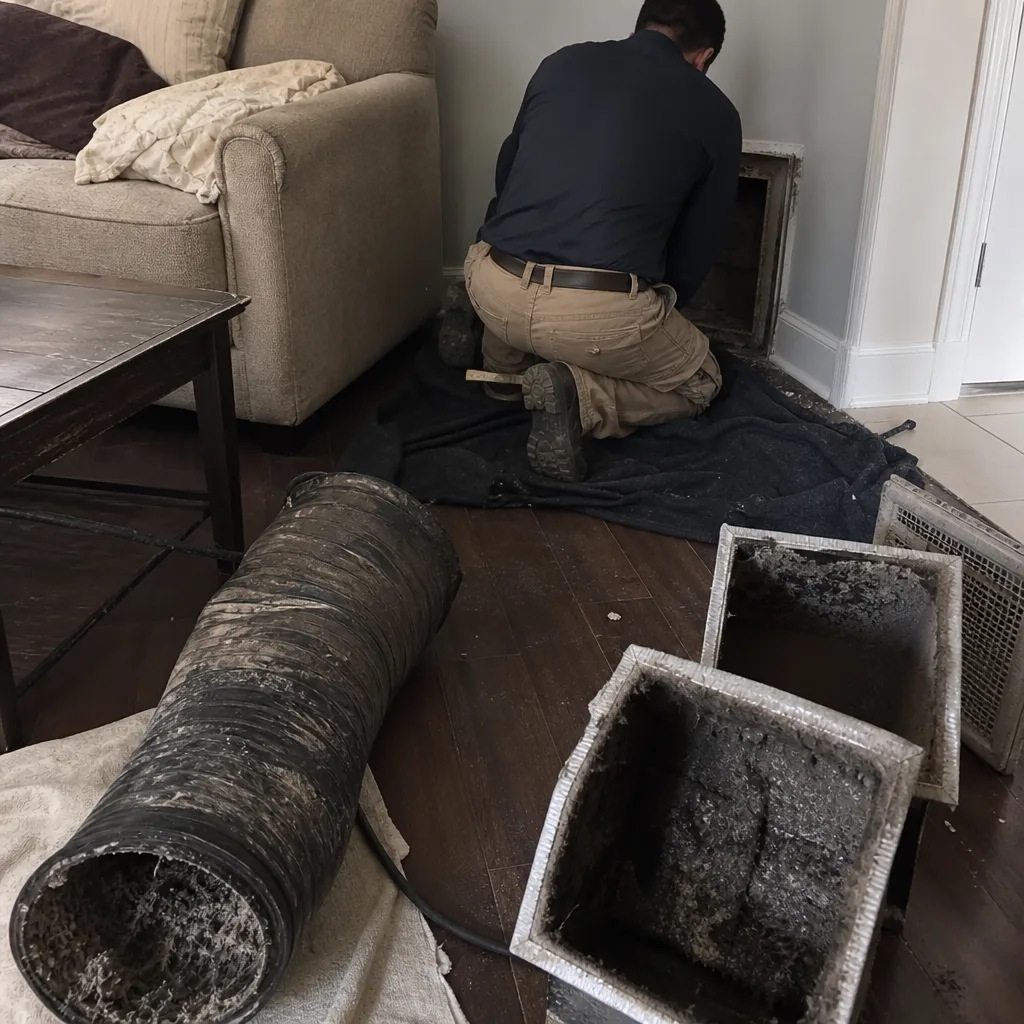 Before
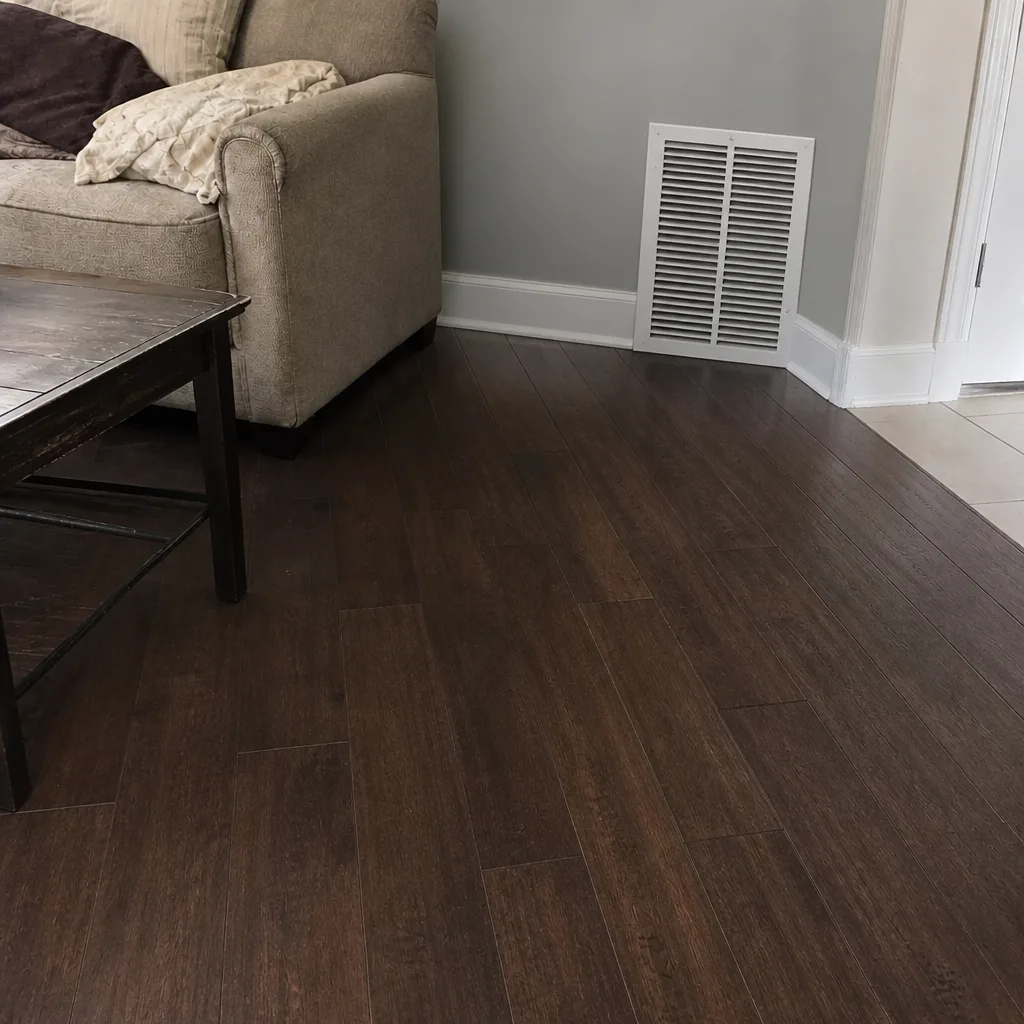 After
When to Call a Professional
Duct cleaning isn’t routine for every home. There are specific triggers that make it the right call: a recent move-in with unknown system history, visible dust streaks around registers, a renovation that put construction dust into the return system, a new HVAC install, or air-quality symptoms that have been building for a season. In our experience across McKinney, the post-renovation and post-move triggers account for a large share of the calls we take. If the system is visibly compromised (disconnected runs, crushed flex duct, damaged boots), it’s time for repair, not just cleaning. Duct Cleaning McKinney offers free estimates in McKinney, and we can scope cleaning and repair in the same visit. Call (866) 361-7225. We answer 24/7. Fast dispatch from 7am to 7pm, Sunday through Friday.
Frequently Asked Questions
Whole-system residential cleaning in the McKinney market typically falls in a range that reflects professional equipment and a full-house scope, and the written estimate you’re given sets the final price. The reason quotes vary so widely is almost always equipment and scope, not market conditions. A quote that seems low usually has a consumer-grade vacuum behind it, and a quote that seems high usually reflects a Rotobrush-class system plus HEPA capture. Call (866) 361-7225 for an exact quote. Estimates are free.
Cheaper quotes almost always come from operators running consumer-grade vacuums instead of contractor-grade equipment, and that cost difference shows up in the price. A Rotobrush agitation system and a Nikro HEPA vacuum are capital investments. A shop vac is not. If a McKinney quote doesn’t name its equipment, the silence is the answer to why it’s cheaper. Call (866) 361-7225 to compare a professional-scope estimate against any bid you’ve received.
The only proof that matters is before-and-after photos of your own duct system, taken at the same location during the same visit. Ask for that in the written scope before the job starts. Rotobrush agitation and Nikro HEPA capture are visible processes: you can watch the brush go in and the vacuum capture the debris. If a contractor can’t show you the equipment and can’t show you the result, that tells you what you need to know. Call (866) 361-7225 to get a written scope that includes the photo documentation.
Most homes need it every few years, with more frequent cleanings after renovations, a move-in with unknown history, or a new HVAC install. The honest answer is that it depends on what’s in the system, not on a fixed calendar. A McKinney home with pets, recent construction, or an older duct system usually needs it sooner. A newer home with light use can stretch the interval. Call (866) 361-7225 for a free estimate that assesses the actual condition of your system.
Duct cleaning helps when the system is actually holding debris, which is common in post-renovation and post-move situations. What helps as much or more is the capture step: HEPA-rated vacuuming with negative-air containment prevents fine particulates from being re-released during the cleaning itself. That’s why the equipment matters more than the marketing on this point. If air quality is the concern, ask specifically about Nikro or Abatement Technologies equipment before you book. Call (866) 361-7225 for an estimate scoped to air-quality concerns.
Yes. Air duct repair is a first-party service, which means damaged runs found during the cleaning can be addressed in the same engagement, not handed off to a second contractor. In our experience, McKinney homes frequently have damaged boots, crushed flex sections, or taped-over leaks from earlier installations. Finding those mid-job and stopping is a common practice at companies without repair capability. Finding them and fixing them is the professional standard. Call (866) 361-7225 to scope cleaning and repair together.
The Bottom Line
The brand of equipment a duct cleaning company uses is a technical disclosure, not a marketing detail. Rotobrush, Nikro, and Abatement Technologies are the names that show up in professional contractor inventories, and their presence on a quote is the clearest signal available that the job will be done at a professional standard. For McKinney homeowners, the practical test comes down to three questions: What agitation system? What filtration rating? What containment equipment? Any contractor who can answer those with confidence, show you the machine, and offer repair as a first-party service is worth the estimate. Use duct cleaning in McKinney as your baseline comparison, and demand that every bid you receive names its equipment before you sign. Professional-grade equipment, not consumer shortcuts, is the whole point.
Ready to compare your next estimate against a professional-scope bid? Call (866) 361-7225 for a free estimate. We answer 24/7. Fast dispatch from 7am to 7pm, Sunday through Friday, and we’re closed Saturday. One flat price per system agreed before work starts, before-and-after photos of your own ducts, and a full scope that covers cleaning, dryer vent safety, and repair under one roof.
Written by the team at Duct Cleaning McKinney.